Psilocybin Rewires Brain Connections in Mice, Study Finds
University of California, Santa Cruz researchers found that psilocybin in mice builds new connections between nerve cells and removes some older ones. They were able to separate these changes from a behavioral marker of psychedelic effects.
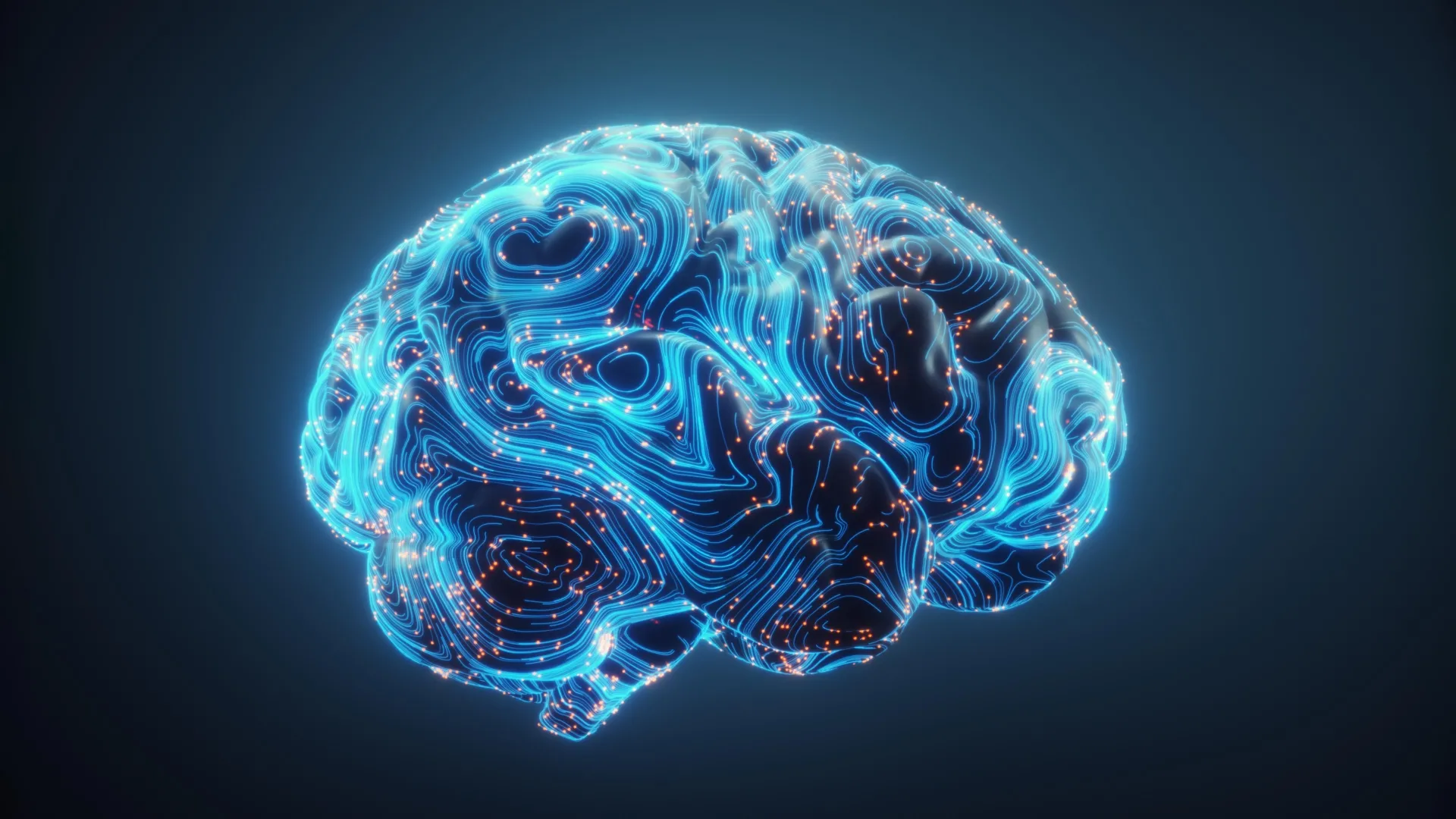
Scientists at the University of California, Santa Cruz, in the United States, have uncovered how psilocybin, the psychedelic compound in "magic mushrooms," alters the brain by reorganizing connections between nerve cells. The study, published October 15 in Nature Neuroscience, could eventually inform treatments for mental health conditions that retain some of psilocybin's potential benefits without causing hallucinations.
What the experiments showed
Using two-photon microscopy, the team tracked individual connections on neurons in living mice over several weeks. They focused on dendritic spines, tiny projections that receive signals from neighboring cells and help form synapses, the junctions through which neurons communicate.
Within 24 hours of psilocybin administration, the number of newly forming spines rose substantially. A much larger share also matured into "mushroom"-shaped spines, which tend to be more stable and carry more receptors for chemical signals.
In healthy mice, the number of connections drifted back toward its earlier level over three weeks, partly because some pre-existing connections were removed. In mice exposed to chronic stress, psilocybin triggered an especially strong increase in new spines and prevented the unusually high connection loss linked to stress.
Effects that can be separated
The researchers examined serotonin 2A receptors in Layer 5 pyramidal neurons of the cerebral cortex. When receptors were restored only in these cells, psilocybin still promoted new synapses, yet the mice showed no head twitch response, a behavior used as an indicator of psychedelic activity in rodents. When the receptors were removed from these neurons, synapse growth failed, but the head twitch response remained.
Because mice cannot describe their experiences, this response does not directly show whether an animal is hallucinating.
Senior author Yi Zuo, professor of molecular, cell, and developmental biology at UC Santa Cruz, said the findings challenge the view that psilocybin simply increases neural connectivity. The work may point toward therapies for depression, post-traumatic stress disorder and other psychiatric conditions.