Putin's 'War Trap' and the Potential Price of Peace
Russia's internal dependence on war creates powerful disincentives for ending the conflict, as analysts warn of economic and social upheaval if peace is pursued.
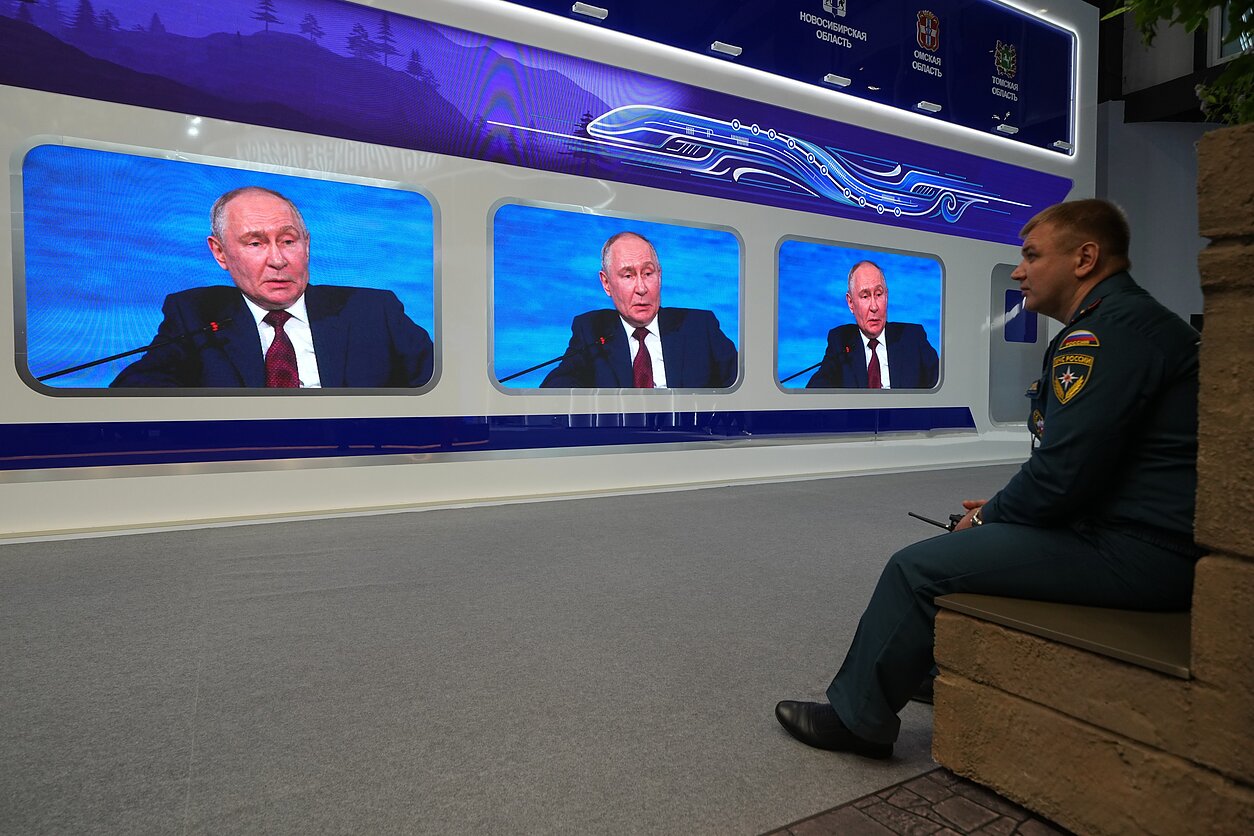
Russia's economy and society have become deeply intertwined with the war in Ukraine, creating a situation analysts describe as a “war trap.” The conflict has reshaped entire regions, industries, and social hierarchies, making it difficult for President Vladimir Putin to end the war without triggering severe domestic repercussions.
Key factors include the dependence of millions of workers on high military pay and weapons manufacturing. While these cash flows do not benefit the broader population, sectors like the arms industry rely on continued conflict for survival. An end to fighting would bring soldiers home, including convicts released to fight, who have already committed violent crimes. The return of hundreds of thousands of veterans risks social instability.
Putin, known as a “fence-sitter” who delays big decisions, faces two sets of costs: the “slow bleed” of inflation, labor shortages, and civilian stagnation if the war continues, versus the immediate and concentrated costs of mass unemployment, a veteran crisis, and potential collapse in defense industries if peace is pursued. Historically, regimes choose the slow bleed over acute crisis.
Additionally, Putin needs to sell any peace deal as a victory to maintain his political standing. With nearly 500,000 Russian soldiers killed (per UK intelligence) and limited territorial gains, he may feel pressure to capture the remainder of the Donbas. Opinion polls show most Russians favor peace talks, but elite factions are split between hawks (“Bears”) and doves (“Foxes”). Putin allows debate but remains unconvinced, leading to a continuation of the status quo.
Analysts note that neither camp is satisfied with the current prosecution of the war, creating a new kind of problem for Putin: the present is seen as both unsustainable and undesirable.