Putin warns of a “Hormuz scenario” in the Baltic Sea, says Russia is ready for war with Europe
Russian President Vladimir Putin said in Moscow on 29 October that Russia does not want war with Europe but is prepared for it, warning of a Hormuz-style crisis in the Baltic Sea. The remarks followed EU maritime security drills in the Gulf of Finland and US Defense Department appeals to the Baltic states to tone down their rhetoric.
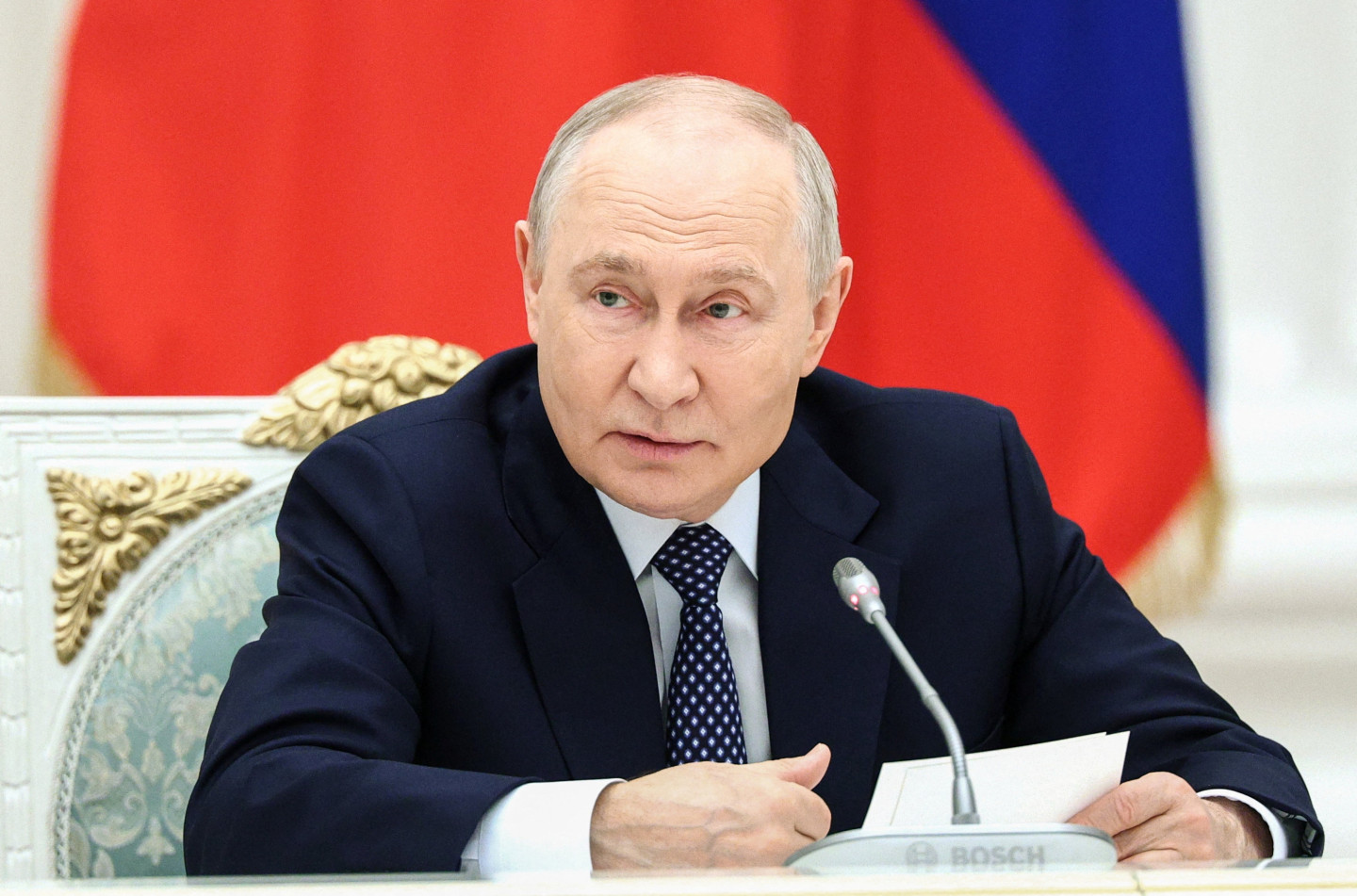
Russian President Vladimir Putin warned at a press conference in Moscow on 29 October, after the Russia–Africa summit, that if Russia is denied access to the Baltic Sea, a crisis similar to the one in the Strait of Hormuz in the Persian Gulf could develop in the region. He also said Russia does not want war but is ready for it. The statements come as Europe looks for ways toward talks on ending the war in Ukraine and on the future of European security.
Phone calls with Finnish and Norwegian leaders
Putin commented on phone calls held on 27 October with Finnish President Alexander Stubb and Norwegian Prime Minister Jonas Gahr Støre. They discussed a temporary truce in the town of Oleshky in Ukraine's Kherson region to allow humanitarian aid deliveries and civilian evacuations. The calls were coordinated with Kyiv as a follow-up to 20 October consultations in Oslo, where representatives of Ukraine, the US and several European countries discussed ways to end the war.
Putin called the move justified and said Russia supports restoring relations with Europe, whether collectively or bilaterally. According to Politico, European officials are considering appointing a special envoy to maintain contact with Putin, and Stubb is seen as the most likely candidate. Reuters sources said Putin again stated during the calls that Russia would not yield on Donbas.
Warning over the Baltic Sea
Putin said Russia will respond to any challenge or provocation in the Baltic region, adding that a war with Europe would leave no winners. His remarks were probably a reaction to the EU's annual maritime security exercise Marsec EU26 in the Gulf of Finland near Helsinki, led by the Finnish Border Guard. It rehearsed ship boarding and seizure and the protection of critical undersea infrastructure. Putin called the use of civilian vessels in such drills unacceptable.
Western analysts regard his words as indirect threats and an attempt to put psychological pressure on the Baltic states and NATO. Israeli military analyst Yigal Levin believes Putin's phrases contain veiled nuclear warnings.
Pentagon appeal and Baltic response
According to Reuters, US Defense Department officials urged several NATO allies, including the Baltic states, to soften their rhetoric on Russia. Estonian Foreign Minister Margus Tsahkna said no such official requests had been received and they would be rejected. Lithuanian Prime Minister Mindaugas Sinkevičius said it would not change his stance. Estonian Prime Minister Kristen Michal said he would not stay silent.