Putin offers Europe “friendly” words while invoking nuclear arsenal; Latvia's security service warns of Russian hybrid attacks
Russian President Vladimir Putin claimed his country has no aggressive intentions toward Europe, while also referencing Russia's nuclear triad and readiness to respond to any seizure of its ships. Latvia's Constitution Protection Bureau warns Russia may escalate unconventional attacks against the Baltics.
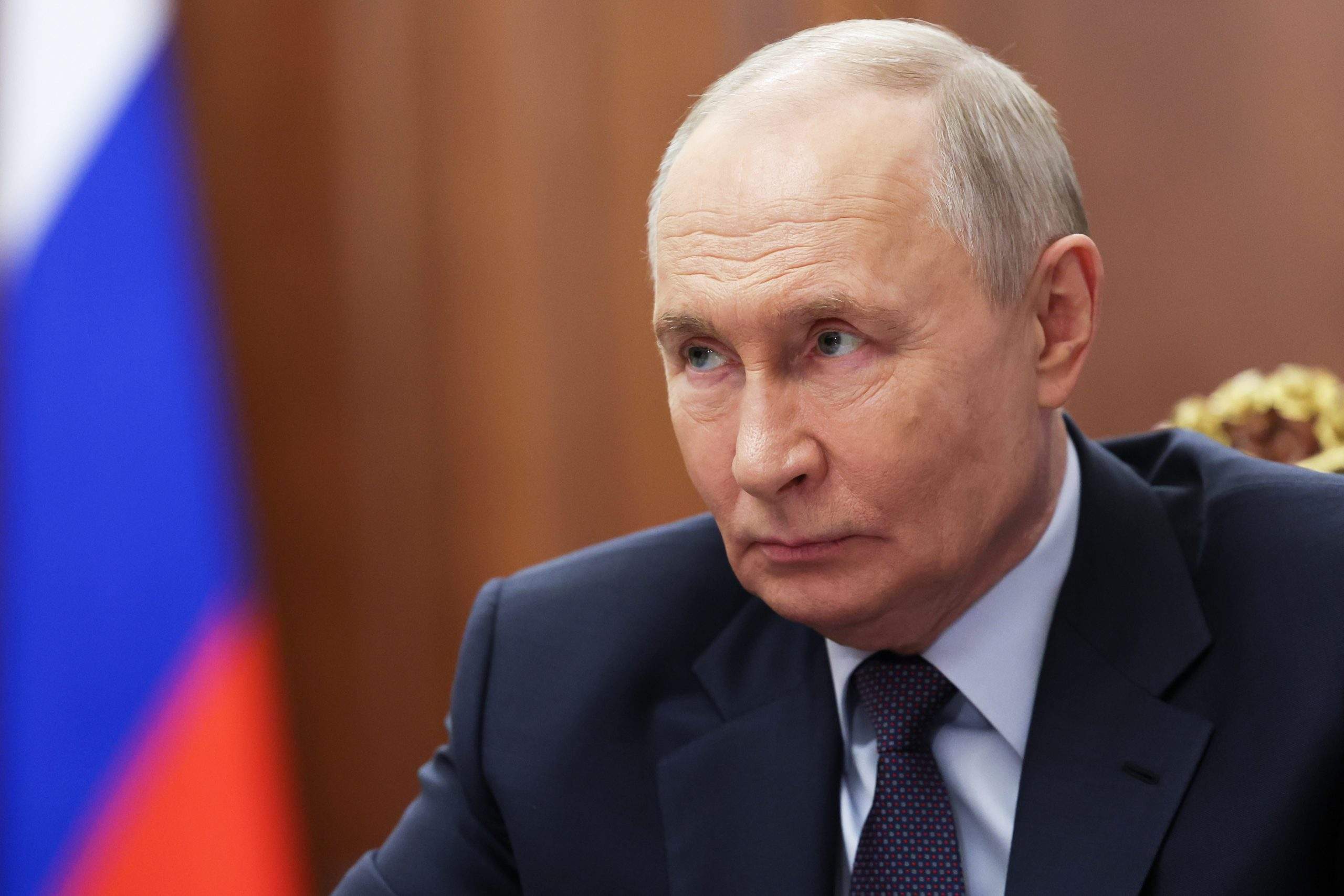
Russian President Vladimir Putin said on Tuesday that the Russian Federation has no aggressive intentions toward Europe, according to Ukrainian outlet Unian, citing Russian media. At the same time, Putin claimed threats are not diminishing due to NATO's expansion, urging other countries to "live in friendship" while warning there would be consequences otherwise.
The Kremlin leader also referred to European military exercises in the Baltic Sea that practiced seizing civilian vessels, stating Russia is ready to respond if its own ships were seized. He further invoked nuclear weapons, stressing that Russia's nuclear triad remains a guarantee of its sovereignty.
Comments on democracy and Ukraine
Putin, currently serving his fifth presidential term, described the absence of elections in Ukraine as a sign of dictatorship, despite the fact that holding elections under martial law would directly violate Ukraine's constitution. He also repeated claims that the West is using Ukrainians as "cannon fodder."
Latvia's security service flags risks
Latvia's Constitution Protection Bureau (SAB) told the LETA news agency that Russia may attempt to escalate the security situation in the Baltic states and NATO overall through unconventional attacks, including sabotage, provocations and other smaller-scale operations. The number and scale of such Russian attacks has grown in recent months, the bureau said, alongside a rise in emotionally charged, alarming messaging about Latvia's security circulating in the information space.
However, SAB assessed that the likelihood of a full-scale conventional military invasion of the Baltic states or NATO remains very low at present. Possible scenarios — sabotage, provocations, violations of NATO airspace and other so-called gray-zone activities — are well known to security and intelligence services, the bureau said, adding that their goal is to divide and intimidate Western societies and pressure NATO into reducing support for Ukraine. SAB urged readiness for sudden, unexpected actions, noting that Latvia and its allies discuss such risks openly to reduce their psychological impact and strengthen public resilience.