PVD Calls on Public to Report Dead Wild Birds to Study West Nile Virus Spread
The Food and Veterinary Service urges residents to report dead wild birds, especially crows, magpies, and jays, to investigate the spread of West Nile virus in Latvia.
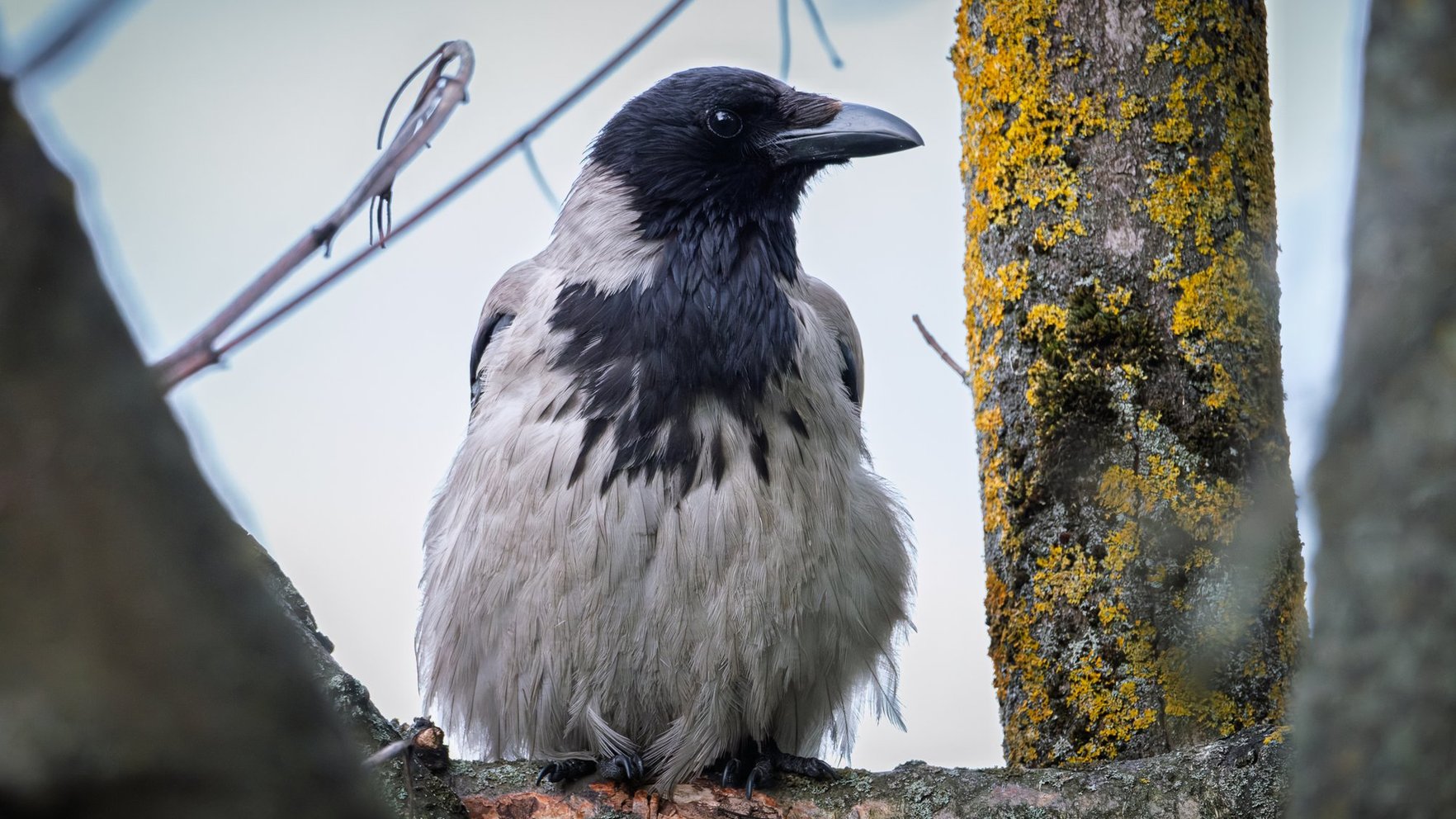
The Food and Veterinary Service (PVD) has launched a study on the spread of West Nile virus among wild birds in Latvia. To collect data, the public is asked to report any dead wild birds found, with particular attention to crows, magpies, and jays. These species are more susceptible to the virus, and a full list is available on the PVD website.
West Nile virus is a zoonotic disease that can infect both humans and animals. It is primarily transmitted by mosquitoes, with wild birds serving as the main natural reservoir. Humans cannot contract the virus from birds or their carcasses—infection occurs only through mosquito bites. More information on the disease in humans is available from the Centre for Disease Prevention and Control.
Reports of dead birds can be made to PVD regional offices, or the carcass can be delivered directly to the Institute “BIOR” laboratory for free testing under the “One Health 4 Surveillance” project. When handling a bird, disposable gloves must be used, and the carcass should be placed in two waterproof plastic bags. Details on sample drop-off points are available on the “BIOR” website.
PVD notes that in autumn 2024, West Nile virus was detected for the first time in Latvia in a dead goshawk. In 2025, 424 laboratory tests were conducted on dead birds, horses with clinical signs, and mosquito pools, but no virus was found. The research continues as part of an EU-funded project.

/nginx/o/2026/08/18/17855799t1hb2b7.jpg)
