Radio History in Lithuania: From 1926 Broadcasts to Countering Fascism
Lithuania's first radio broadcast in 1926 marked the start of a journey that intertwined entertainment, education, and propaganda during the interwar period.
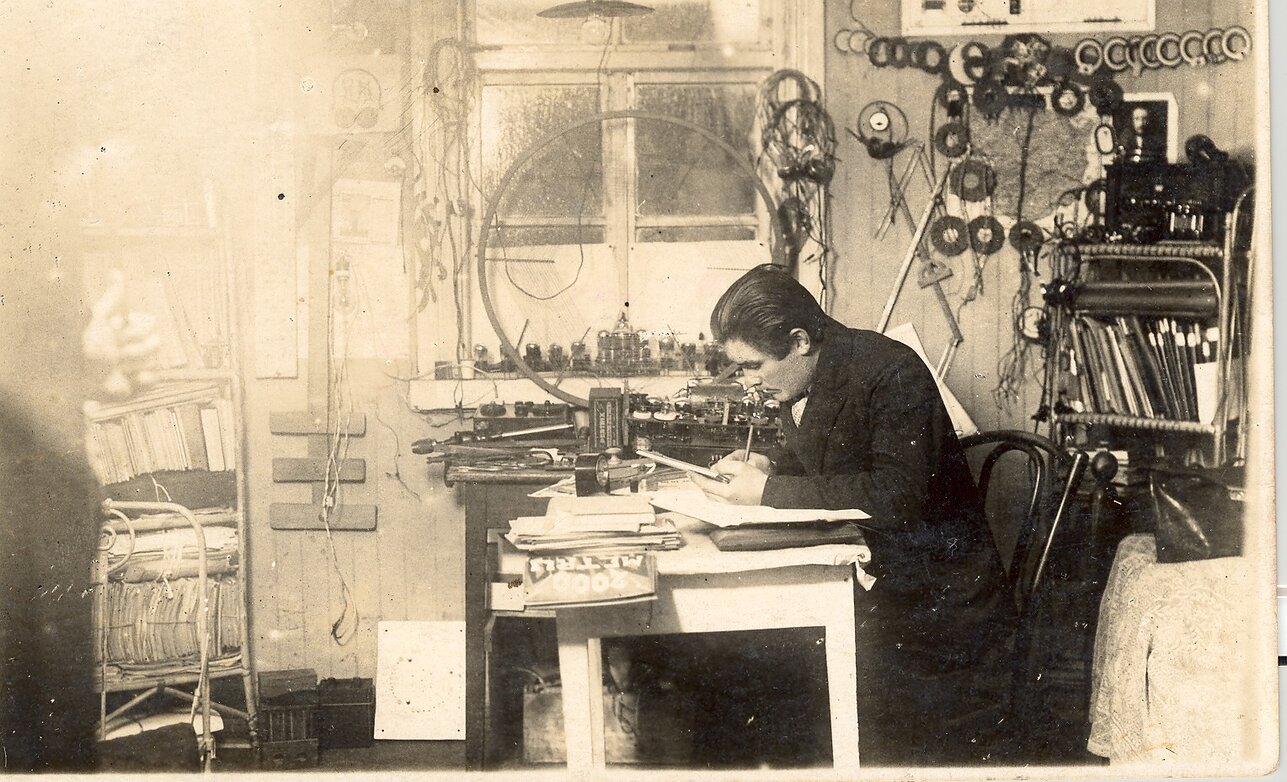
Lithuania entered the technological age with its first radio broadcast in 1926. Initially, radio was seen as a tool for patriotic education, a view especially promoted by officers, priests, and teachers. Its influence in the interwar years remained limited, with broadcast hours gradually increasing from just a few on weekdays to seven or eight daily on the eve of World War II.
The number of radio sets grew from about 300 at the start to 80,000 by the late 1930s. However, Lithuania lagged behind Western Europe: Denmark and the UK had around 200 sets per 1,000 inhabitants, while Lithuania had only 23. Urban areas were better served: Klaipėda had 177 sets per 1,000, Kaunas 131. Subscribers included 42% farmers, 19% civil servants, 11% teachers, 9% industrialists and merchants, 5% workers, and 3% clergy. Some farmers even blamed radio for causing storms and droughts.
Two stations operated: Kaunas Radio (the main one) and Klaipėda Radio, launched in 1936 to counter Nazi influence. The latter was headed by famous aviator Antanas Gustaitis. Programming included radio drama, opera, historical literature, and news, but listeners demanded simpler music. In 1929, radio came under the Ministry of Education, reinforcing its educational mission.
Notable personalities included Petras Biržys, known as Pupų Dėdė, whose satirical songs led to at least ten arrests for criticizing President Smetona. Stations also broadcast programmes dedicated to the Vilnius issue, aiming to inform Lithuanians in Polish-occupied Vilnius. The Catholic Church was initially reluctant: Masses were only broadcast from 1930, and some priests accused radio of promoting atheism. Esperanto lessons and news were also featured.
Radio was seen both as a state propaganda tool and an educational platform. There was even talk of a "people's university" that could reach remote villages and replace traditional schooling, a debate that reflected the optimism of the early broadcasting years.