Rasums: NATO states' willingness to spend on defense tied to proximity to Russia
Political analyst Roberts Rasums notes that European NATO members' readiness to boost defense budgets correlates inversely with their distance from Russia, while the US increasingly expects Europe to act as a security partner rather than a dependent.
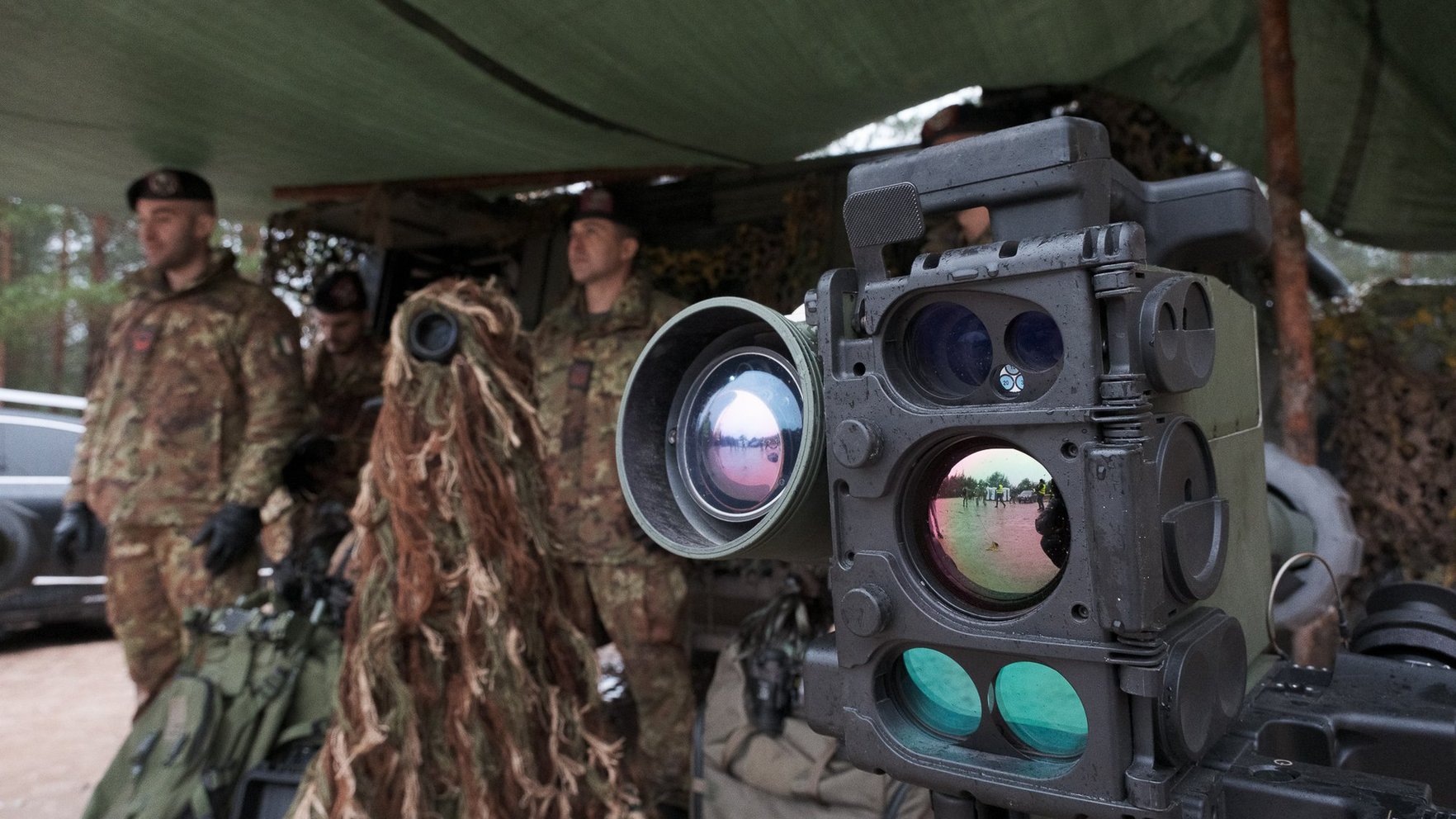
Since the start of the war in Ukraine, the threat posed by Russia has become a significant, at times decisive, factor in both domestic and foreign policy across NATO countries. This is reflected not only in political statements but also in concrete figures — 2026 military spending, which has risen by more than half across NATO since 2022.
Geography drives urgency
According to Rasums, European NATO members' willingness to invest in defense is largely inversely proportional to their proximity to Russia. Countries closer to the potential threat have acted far more decisively than those farther away.
After the war in Ukraine began, the Baltic states and Poland quickly raised their defense spending above 3%, and in some cases even 4%, of GDP. By contrast, in countries such as Spain, Germany and Italy, similar decisions came through a slower and more politically complicated process.
Washington shifts its tone
Meanwhile, the United States — long viewed by Europe as its main security guarantor — has increasingly demanded that Europe act as a genuine security partner rather than remain a dependent party. Rasums points out that it is now clear Washington has no plans to redirect military equipment earmarked for the Middle East and the Pacific region toward Europe.
He concludes that these differing approaches reveal substantially different motivations behind the pace and scale of rearmament among NATO countries in recent years.