Rare disease reveals hidden flaw in the immune system, challenging 30 years of assumptions
Researchers at Australia's Garvan Institute of Medical Research report in Immunity that inflammation in the rare genetic disorder mevalonate kinase deficiency stems from malfunctioning natural killer cells, not macrophages as long believed. The finding points to a possible treatment with existing JAK inhibitors.
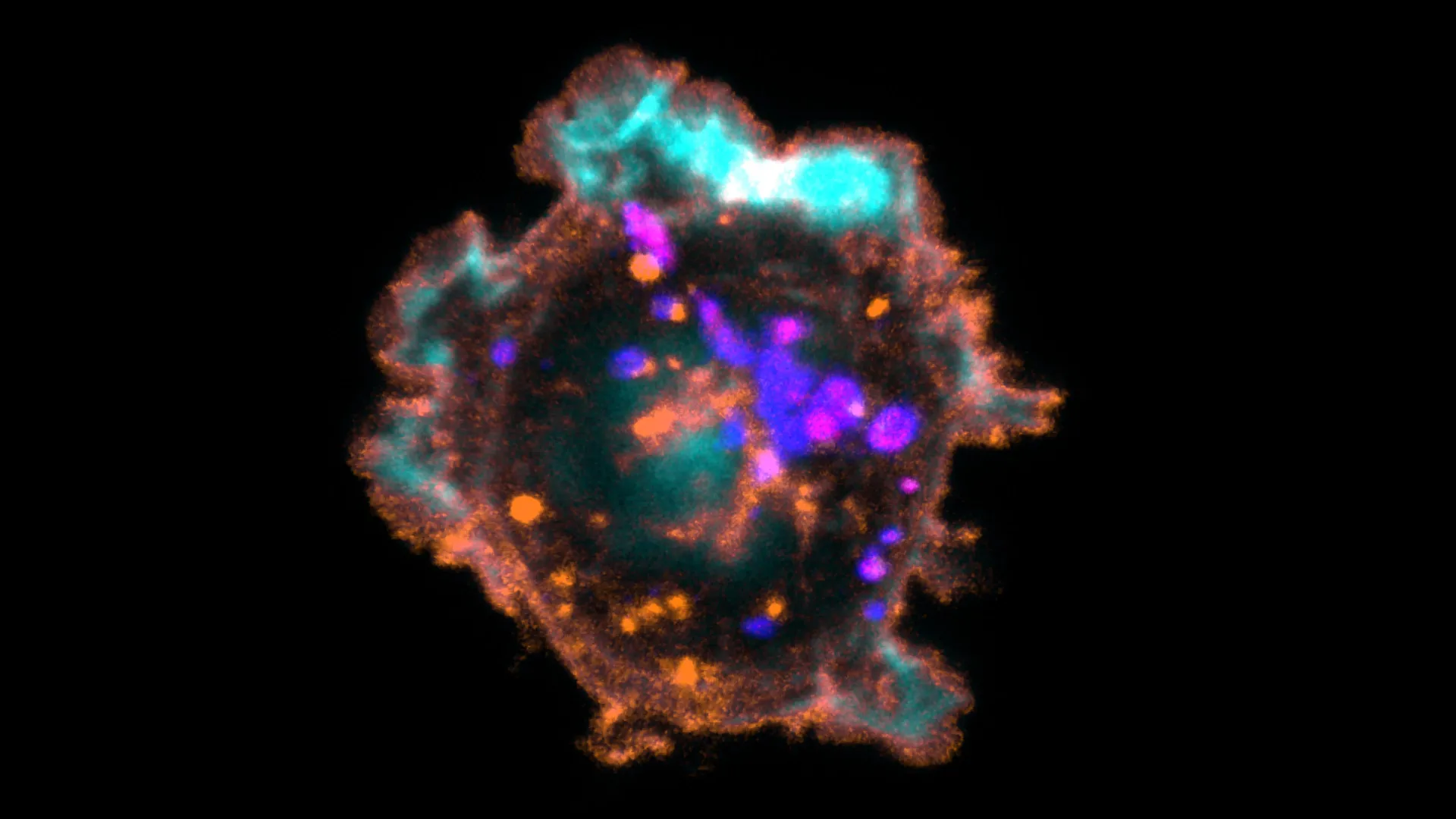
Researchers at the Garvan Institute of Medical Research in Australia have challenged an explanation held for about 30 years about the dangerous inflammation seen in a rare genetic disorder, mevalonate kinase deficiency (MKD). In a study published in the journal Immunity, they report that the main problem lies in natural killer (NK) cells, immune cells that normally destroy infected cells. The finding could open the way to a new treatment for patients who do not respond to current therapies.
About the disease
MKD is a lifelong condition known to affect hundreds of children and adults worldwide, though researchers suspect many people with it have never been diagnosed. Patients suffer recurring attacks of high fever, skin rashes, joint pain and abdominal inflammation. The most severe episodes can cause potentially fatal complications.
Until now, research has largely focused on macrophages, immune cells that help coordinate the body's inflammatory defences. Existing drugs block an inflammatory signal released by these cells, but roughly half of patients do not respond adequately.
What the researchers found
The team examined blood samples from people with MKD and studied preclinical models of the disorder. They found that NK cells in MKD fail to mature properly and cannot destroy infected cells, as their toxic granules remain trapped inside. When a cell fails to kill its target, it releases large amounts of interferon gamma, a powerful inflammatory signal that activates other immune cells and causes fever and widespread inflammation.
Professor Mike Rogers, senior author of the study, said it reveals a new target for the disorder. Dr. Marcia Munoz, the lead researcher, said the primary problem is in NK cells rather than macrophages. Scientists at Monash University collaborated on the work.
Early treatment results
Working with the Royal Children's Hospital in Melbourne, doctors added baricitinib, a JAK inhibitor already used for rheumatoid arthritis and eczema, to the treatment of a severely affected infant. Flare-ups became less frequent and severe inflammation of the gastrointestinal tract began to heal. Results from one patient cannot show that the approach works more broadly, but they offer encouraging early evidence for future clinical studies.
The researchers also introduced the term "prenylopathies" for a group of genetic disorders involving the same metabolic pathway. If the link is confirmed, it could help shorten the long road to diagnosis many patients face.


