Any deal with Tehran is 'a pause before the next war,' Reza Pahlavi tells Euronews
Reza Pahlavi, son of Iran's last shah and exiled opposition leader, told Euronews the US-Iran framework deal only allows the regime to regroup and rearm, calling it a pause before the next war rather than a peace agreement.
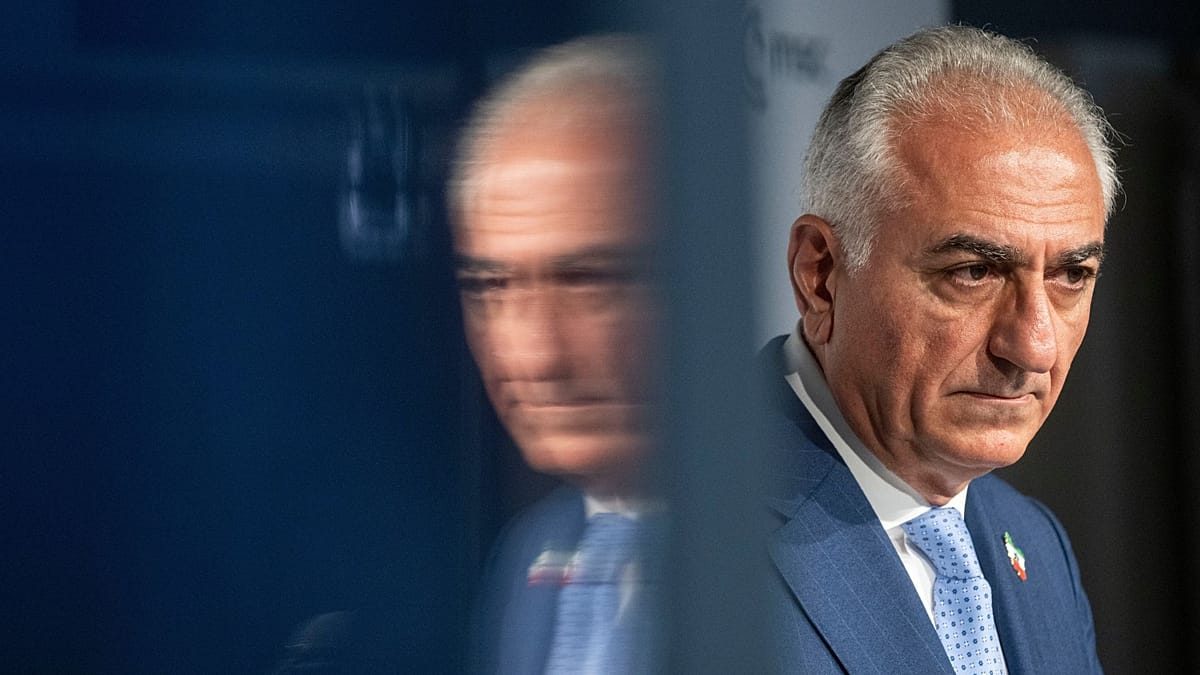
Reza Pahlavi, the son of Iran's last shah and leader of the opposition in exile, said in an exclusive interview with Euronews that the existing US-Iran framework deal will only let the Tehran regime regroup and rearm. He described any arrangement that keeps regime remnants in power as not a peace deal but a pause before the next war.
The memorandum was signed on 17 June, three and a half months after US and Israeli strikes on Iran killed Ayatollah Ali Khamenei and several senior officials, sparking a war that expanded across the region. Hours after the deal was signed, Iran executed Javad Zamani and Abolfazl Saedi, who had been detained during protests in January. Pahlavi noted that this demonstrates the regime's true intentions.
He accused the regime of killing more than 40,000 of its own people in two days and argued that striking a deal with such a regime is morally wrong and strategically misguided. The regime, he said, will use the pause to regroup and rearm, as it has done before. Pahlavi also emphasized that the regime cannot be trusted, as it lies and cheats to buy time.
Regarding the nuclear program and regional stability, Pahlavi stated that a wounded regime is a dangerous one and will lash out at the first opportunity. He believes that stability is only achievable under one condition: the end of the Islamic Republic. A free Iran, in contrast, would mean no more funding for Hamas, Hezbollah, or the Houthis, no pursuit of nuclear weapons, peace with Israel, and partnership with neighbors.
Pahlavi reserved sharp criticism for European governments, accusing them of appeasing Tehran despite the regime targeting dissidents on European soil, holding European hostages, and supplying Russia with drones used in Ukraine. He urged European capitals to stop appeasing the regime, expel its ambassadors, and refuse to legitimize any arrangement that preserves the IRGC-centered power structure.
He expressed confidence that the Iranian people, who have faced bullets and demanded freedom, will bring down the regime. The economic hardship they endure, he argued, is the cost of keeping the regime alive, not the cost of removing it. A free Iran could become the South Korea of the region – prosperous and at peace.