Western intelligence warns of intensified Russian hybrid warfare against NATO and the EU
Western intelligence services and media report that Russia is stepping up hybrid warfare and military preparations near NATO and EU borders. There are no signs of an imminent invasion, but warnings point to a risk of provocations and a limited attack.
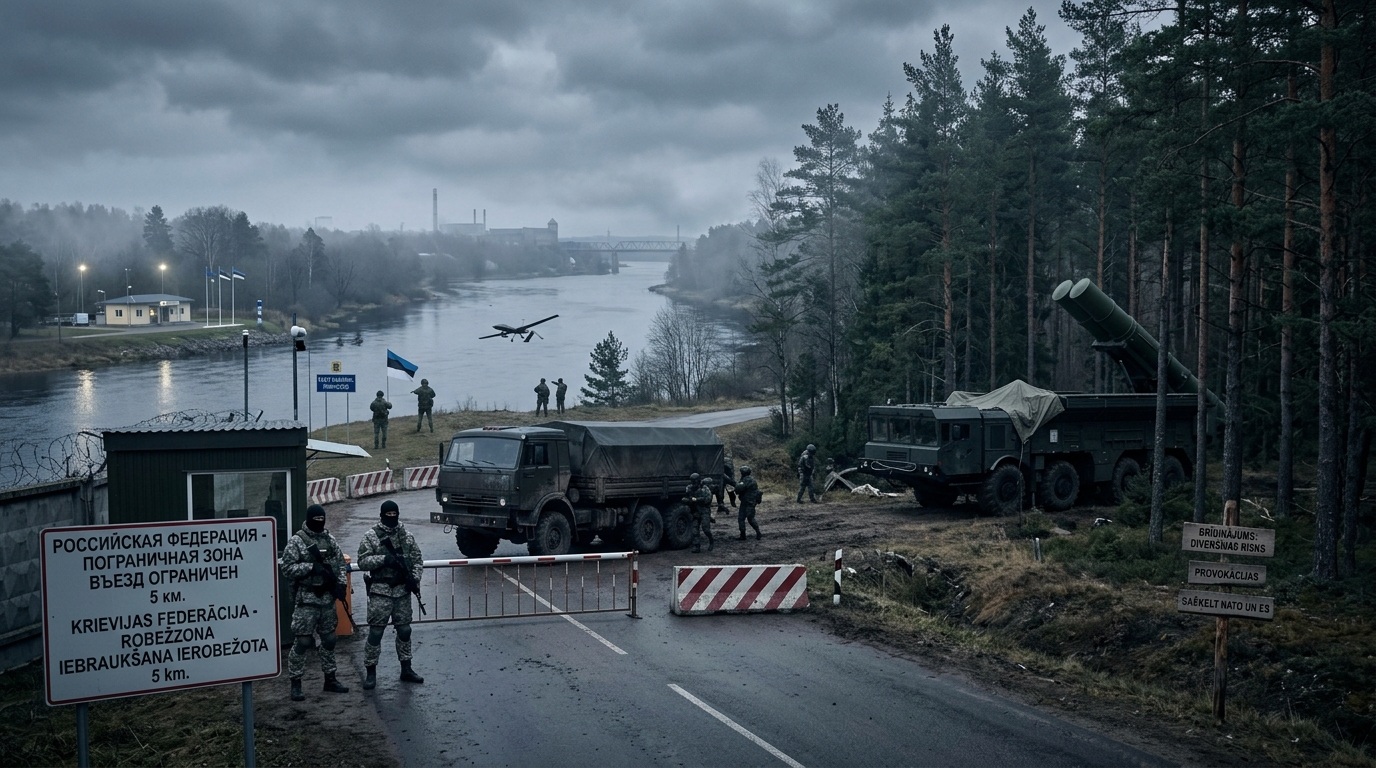
Western intelligence services believe there are currently no visible signs of an imminent conventional Russian invasion of NATO countries, nor a mass troop buildup like the one seen before the full-scale invasion of Ukraine in 2022. Even so, warnings from NATO (the North Atlantic Treaty Organization) military officials and spy chiefs point to a growing risk of sabotage, subversion and provocations, which they link to Russian efforts to escalate tensions and weaken Western support for Ukraine.
A task to split NATO and the EU
On 14 August, The New York Times, citing senior officials from two countries, reported that Russian President Vladimir Putin convened a secret meeting in December 2025. It reportedly set the goal of “splitting NATO and the EU from within” by the end of 2026. According to a 6 August report in The Wall Street Journal, US intelligence concluded that Putin might try to test the alliance's resolve with a limited attack on a member state, starting in autumn 2026. The range of possible threats is broad, from cyberattacks and unidentified armed groups to a limited incursion into an eastern-flank country.
Tighter border controls
Russia has introduced restrictions along its border with the EU. From 16 to 26 September, a “special regime” with curfews and movement limits operated in the Kingisepp and Slantsy districts of the Leningrad region, next to Estonia. Since 1 July, movement of people, vehicles and cargo has been halted without warning at several railway border crossings with Estonia, Latvia and Finland. In Karelia, new checkpoints have been set up where documents and the contents of electronic devices are checked. Russian officials cite illegal migration prevention and protection of Lake Peipus.
Military buildup and mobilisation
Satellite images show new military infrastructure being built near the border. Finland's public broadcaster Yle reports that at least 15,000 troops are planned for Karelia as part of the 44th Army Corps. The Telegram channel “Volya” warns of possible provocations near the Estonian border. Polish Foreign Minister Radosław Sikorski has warned of a possible “false flag” operation to justify a new mobilisation. Ukrainian intelligence reports a General Staff plan to call up 300,000 reservists a year, while military experts expect a covert mobilisation before the end of the year. The Kremlin denies this.