Riga desperately needs another emergency hospital – ambulances wait for hours
According to Dace Žentiņa, board member of Pauls Stradiņš Clinical University Hospital, Riga requires an additional emergency hospital to reduce congestion and ambulance waiting times.
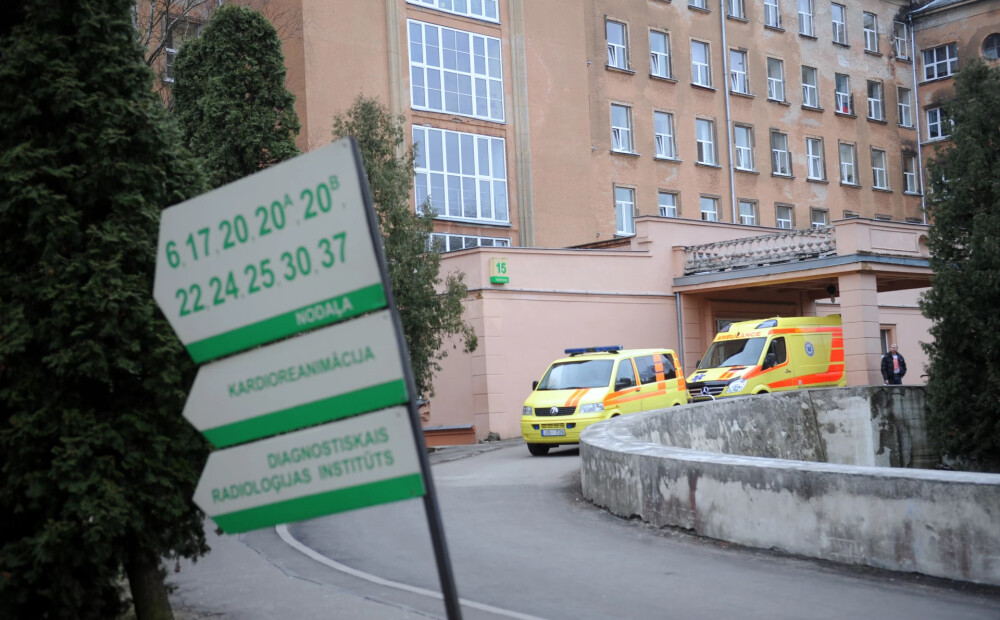
Riga is in urgent need of either another emergency hospital or a facility that can treat patients who do not require the highest level of care. This was stated by Dace Žentiņa, board member of Pauls Stradiņš Clinical University Hospital (PSKUS), in an interview on Latvian Television's program "Rīta panorāma."
Commenting on the long queues that formed last week at PSKUS's Emergency Medical Center, Žentiņa acknowledged that it was an unfortunate coincidence of high patient influx and limited staff and bed resources. However, she emphasized that the problem is systemic and extends beyond a single hospital. Both university hospitals have limited bed capacity while providing both high-level services and emergency care for Riga and its surrounding region.
Riga Mayor Viesturs Kleinbergs (P) noted that the issue began in 2009 when the Ministry of Health closed Riga 1st Hospital, which now operates as an outpatient clinic. He announced that a meeting of the Health Care Coordination Council would take place this week to discuss the situation. Kleinbergs stressed that the availability of healthcare depends on state funding and that the private sector would be open to cooperation if funds become available.
Meanwhile, Liene Cipule, director of the Emergency Medical Service (NMPD), pointed out that the situation where multiple ambulance crews wait simultaneously outside a hospital clearly indicates insufficient system readiness for crises. She warned that hospitals' inability to admit patients promptly creates a systemic risk: crews are delayed, response times increase, and in severe cases, help may come too late. The NMPD has proposed a regulation that would require handover of patients within 15 minutes, or immediately in critical cases, but this initiative has not advanced for several years.
Cipule called for clear regulatory framework, effective hospital capacity management, and active involvement of the Ministry of Health. Without these measures, queues at hospitals and associated risks to patient safety will persist, she cautioned.


/nginx/o/2026/10/13/17970881t1h1d6a.png)