Riga's Heating Overhaul Slowed by High Costs and Co-Owner Disputes
December marks five years since Riga adopted a three-zone heating regulation, but the switch to cleaner heating in the historic centre is progressing slowly. Costs, difficult agreements among co-owners and limited scope for heat pumps are the main obstacles.
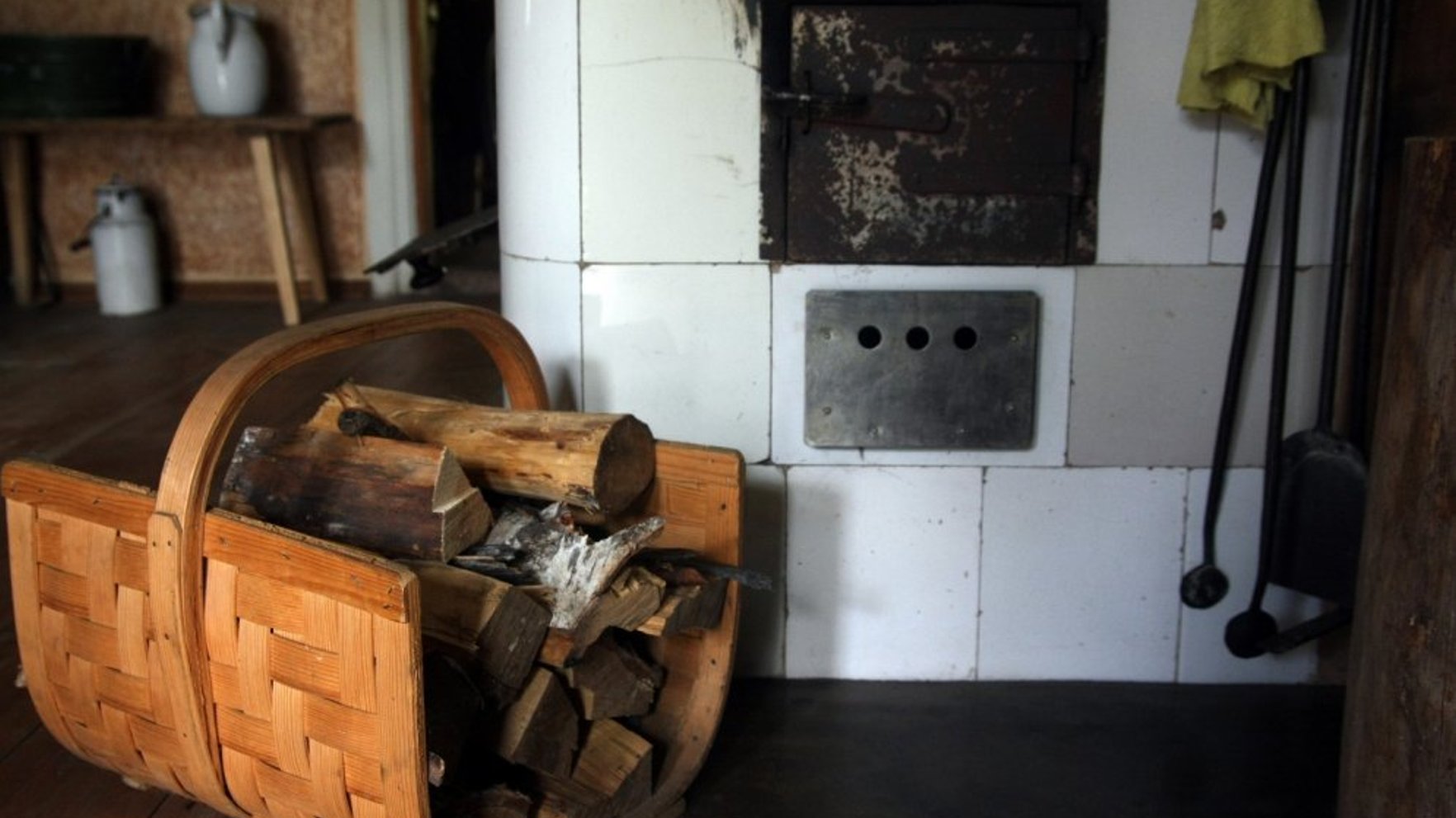
Five years after Riga approved rules dividing the city into three zones that dictate which heating types and boilers may be used, the transition to less polluting heating remains slow, especially in the historic centre. The rules were introduced because air quality in Riga, Liepāja and Rēzekne has not been good enough, posing a health risk. The news portal Delfi looked into how the shift is going.
Air quality still an issue
The main sources of pollution are road transport, heating, the port and industry. In February this year Riga concluded that between 2020 and 2024 the city still recorded exceedances of several pollutant limits. In November the Latvian government approved an additional €1.47 million from the European Regional Development Fund (ERDF) to reduce air pollution in these cities.
The historic centre
Central Riga lies in the first, zero-emission zone, where district heating is designated as the primary option. Kornēlija Stašule, a representative of the city's Housing and Environment Department, says that in practice many buildings use gas boilers and tile stoves, while district heating networks have not been built because agreements with landowners are often hard to reach. Valdis Ratnieks, head of the Energy Efficiency Information Centre at the Riga Energy Agency, adds that residential buildings are co-owned, so all owners must agree on heating changes. High costs are another barrier.
Heat pumps and gas
Over the past three years the heat pump has been the most popular new heating installation in Riga. Many residents still choose gas boilers, even though gas is said to cost three times more this winter than last. In Old Riga, heat pumps can rarely be installed because of strict building rules, noise and outdated electricity grids.
The district heating company Rīgas siltums plans to cut natural gas from about 60% of its energy sources to 35% within five years. According to Ratnieks, electricity is usually the cheapest option, but a heat pump requires a large upfront investment.
Support
Riga itself has no financial support tools, though it helps residents reach agreements and prepare technical documentation. Ratnieks believes a co-financing fund for new district heating connections should be created. Stašule thinks many people are unaware of state support and criticises the requirement to submit receipts proving previous heating costs. A district heating development strategy for 2026–2040 is currently being drafted, with the centre as a priority area.