Debate over face-covering clothing ban reignited in Riga
After a woman was spotted in Riga wearing traditional Muslim clothing that almost completely covers the face, social media discussions have erupted about a possible ban. In 2017, the government supported a similar draft law, but its progress stalled.
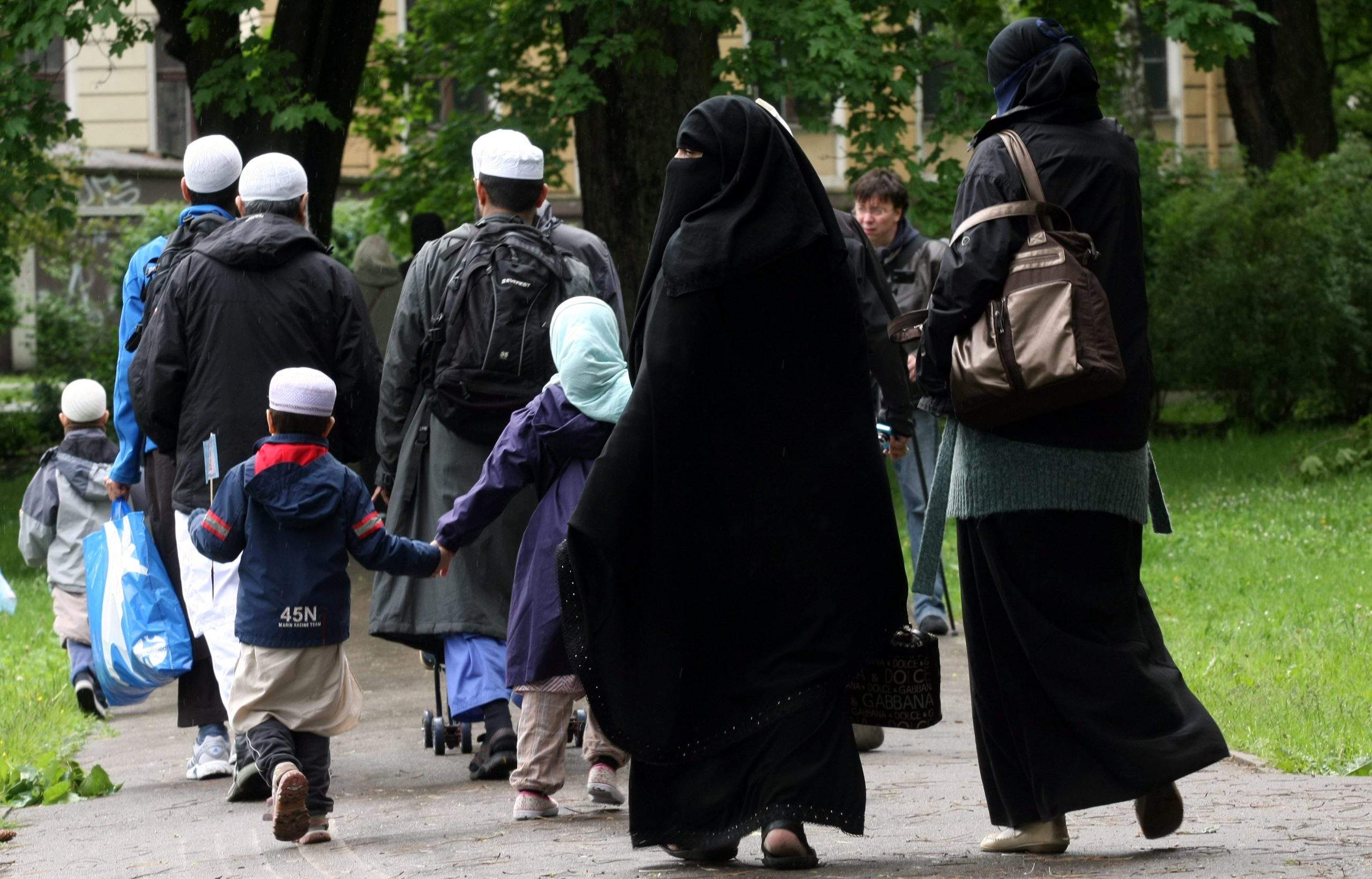
Riga City Council deputy Liāna Langa (National Alliance) posted a photo on platform “X” of a woman in Riga wearing traditional Muslim attire that almost entirely covers the face, calling on the government to impose a ban. She argued that such regulation is a security issue, stating that neither burqas nor hijabs are acceptable in Western culture, and that “Bolt” couriers covering their faces hamper video surveillance and may hide illegal stay in the country.
The question of banning face-covering clothing in Latvia is not new. In 2017, the government supported a draft law proposing such a ban and submitted it to the Saeima. However, the responsible committee requested additional explanations from the Ministry of Justice, and the bill's progress halted; it never returned to the parliamentary agenda.
Responsible ministers acknowledged that the issue might be revisited in the future but emphasized that the government currently has other priorities. Interior Minister Jānis Dombrava (National Alliance) admitted he had believed the bill was already adopted, recalling discussions on exceptions for sports and cold weather. Justice Minister Edvards Smiltēns (United List) noted that the issue is not the ministry's top priority at the moment.
Several European Union countries, including France and Belgium, have had full or partial bans on face-covering clothing in public places for years. Whether Latvia will follow suit remains unclear, but the debate over a possible reintroduction of the regulation has resumed on the political agenda.

/nginx/o/2026/05/01/17606772t1hd820.png)
