Why Rohingya refugees still can't safely return to Myanmar
Myanmar's authorities say they have verified thousands of Rohingya for possible repatriation from Bangladesh, but experts say safe return is now further out of reach than at any point since 2017.
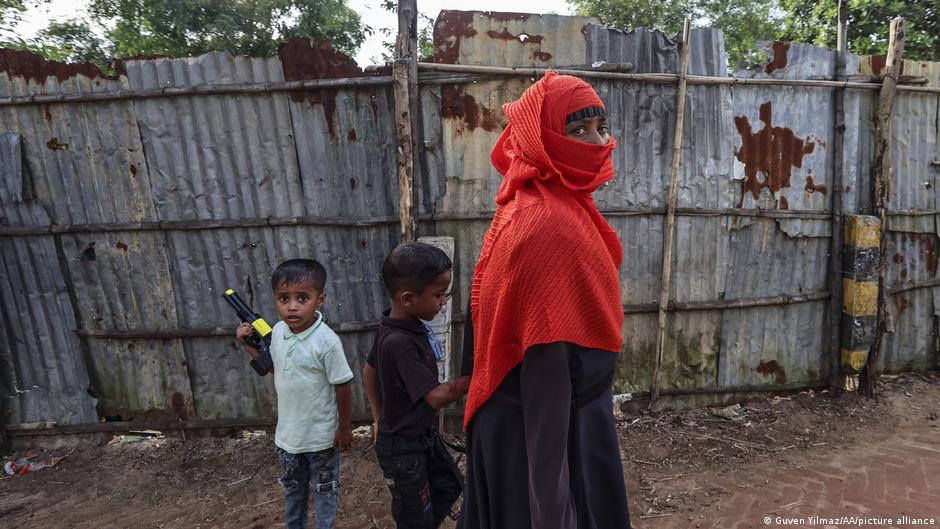
Myanmar's military-backed government has recently claimed progress in verifying Rohingya refugees held in Bangladesh for potential repatriation. Of 820,000 names submitted by Dhaka, Naypyidaw says it confirmed around 308,000 as former residents, but insists returns will wait until security improves in war-torn Rakhine State.
Analysts interviewed by Deutsche Welle argue that large-scale, safe repatriation is now less realistic than at any time since 2017, when a military crackdown in northern Rakhine drove more than 750,000 Rohingya into Bangladesh. Today, around 1.2 million Rohingya refugees live in camps around Bangladesh's southern Cox's Bazar district.
Myanmar still does not recognize the Rohingya among its 135 officially acknowledged ethnic groups, referring to them instead as migrants from Bangladesh. UN investigators have found evidence of genocidal intent, and a genocide case against Myanmar remains before the International Court of Justice in The Hague.
War and lost control
Myanmar has been engulfed in civil war since the 2021 coup. Even after a widely criticized election this year produced a civilian government, military figures still dominate it. Experts note the army no longer controls most of Rakhine State, where the ethnic Arakan Army — distinct from the Rohingya's ARSA insurgent group — now holds much of the territory. UN reporting has documented serious abuses against Rohingya by both the military and the Arakan Army, including movement restrictions and forced recruitment.
Experts add that even a voluntary return plan would face the obstacle that Myanmar has not offered Rohingya citizenship, while many of their villages have been destroyed or resettled by other communities.
Camp crisis deepens
With funding shrinking and conditions worsening in Bangladesh, life in the camps is becoming harder too. Food shortages, child malnutrition, child marriage, school dropouts and dangerous sea journeys to other Southeast Asian countries are all reportedly increasing. The UN and Bangladesh say $710 million is needed in 2026 for urgent needs, with about 60% funded so far. The EU has allocated €23.4 million in humanitarian aid this year plus a separate €14 million development grant.