Plan Urges More Investment in Children's Dental Disease Prevention and Mobile Dental Care
A plan to improve oral health policy in Latvia proposes strengthening prevention of dental disease in children and developing mobile dental care. It is to be submitted to three ministries and the Saeima.
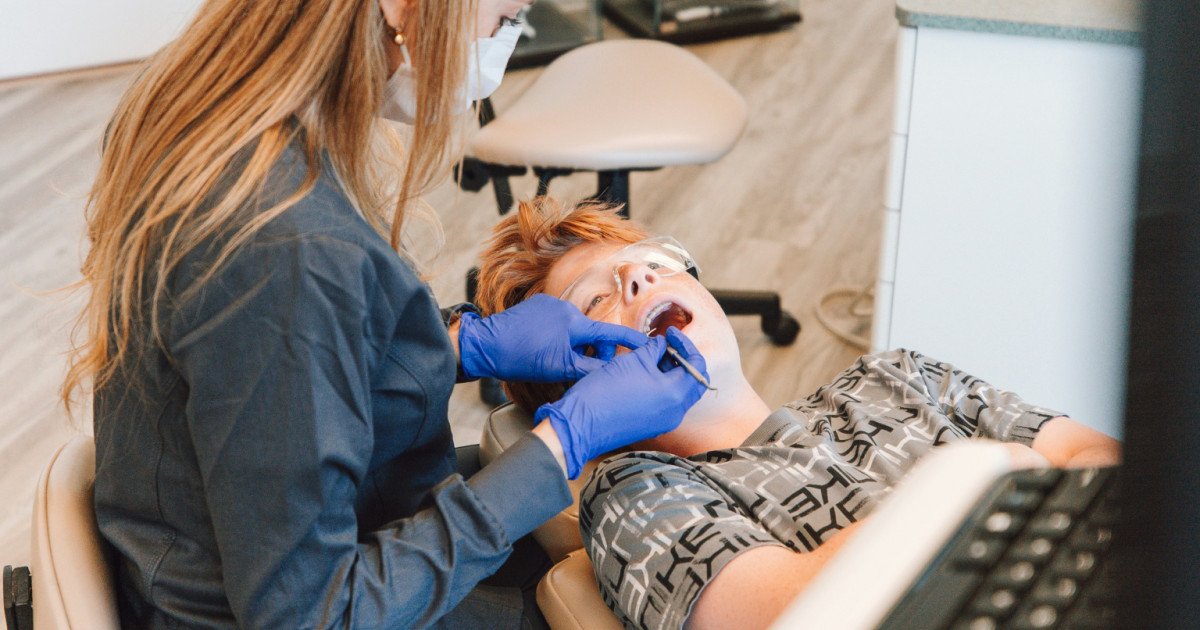
A plan for improving public oral health policy has been drafted in Latvia, proposing that more funding go to preventing children's dental disease and that mobile dental services be developed. The document is intended for submission to the Ministries of Health, Welfare and Finance, as well as the Saeima, the Latvian parliament. It builds on data from a BSF project showing that children need ongoing support from adults to care for their teeth.
Main proposals
The plan recommends that mobile dental care and dental hygiene services first reach rural areas and regions where access to services is limited. Children in special education and social care institutions should receive a dental hygienist visit at least once a year. To identify where help is needed most, it suggests creating a dental service accessibility map with data on the number of children, the location of specialists and providers' capacity.
It also proposes restoring health education as a compulsory part of the curriculum and assessing whether to bring back prevention rooms in schools, where every child would get a preventive check-up and dental hygiene care once a year. Parents or carers would receive a personalised invitation at least once a year, and children who miss check-ups would be identified and the barriers examined. In allocating funds, the foundation urges a larger share for prevention and early diagnostics.
Project results
The oral health programme involved 17 educational institutions, social care centres and crisis centres. In total, 220 children and young people received two dental hygienist visits about six months apart. In the follow-up assessment, the average plaque index fell from 1.74 to 1.36 and the tartar index from 0.76 to 0.48. For some children, however, the indicators did not improve or got worse.
International experience
The plan was developed by Kristīne Belova, a certified dental hygienist and chair of the board of the Latvian Dental Hygienists' Association. It draws on project data, studies conducted in Latvia and the experience of Denmark, Sweden and Germany: Denmark's example highlights active municipal contact with families, Sweden's early risk assessment, and Germany's prevention programmes adapted to a child's age and caries risk.