Roth: Trump is blaming Ukraine as US midterms approach
In a Guardian column, Kenneth Roth, a former head of Human Rights Watch, argues that US President Donald Trump is abandoning Ukraine to deflect blame for rising fuel prices. Roth urges Democrats, if they win the midterms, to re-enact Russia sanctions without a waiver.
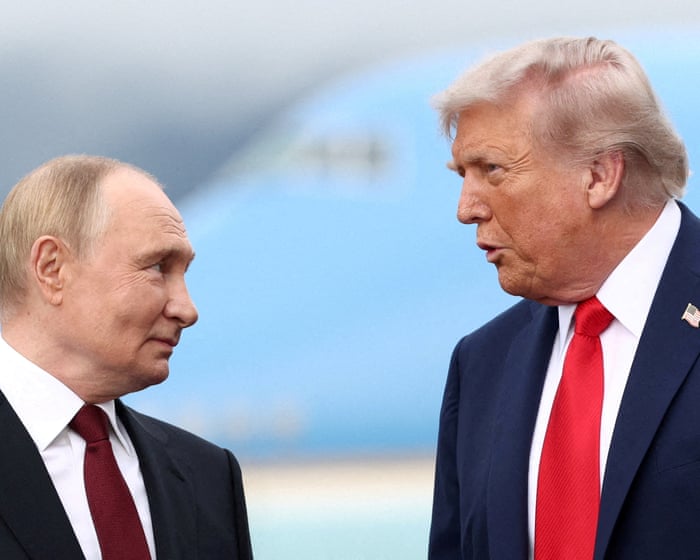
In an opinion column in The Guardian, Kenneth Roth, a former executive director of Human Rights Watch and a senior fellow at Yale University, argues that US President Donald Trump is turning away from Ukraine as the US midterm congressional elections approach. In his view, the aim is to avoid responsibility for rising energy prices. The claims below are the author's opinion rather than established fact.
Roth's argument
Roth says the price increases stem from Trump's war against Iran, which responded by restricting shipments through the strait of Hormuz, a route for much of the Middle East's oil and gas. He contends that Trump is instead seeking a scapegoat in Ukrainian President Volodymyr Zelenskyy, because Ukrainian forces are attacking Russian oil refineries. Those strikes have produced long lines at Russian gasoline stations and disrupted oil production, but Roth says their effect on global markets is small compared with the reduced flow through Hormuz.
The author lists several steps by the Trump administration that he describes as favouring Russia: authorising purchases of Russian diesel, waiving newly adopted sanctions, suspending deliveries of defensive missiles and early-warning intelligence, and reportedly approving a decision by Elon Musk to slow Starshield, the version of Starlink on which Ukraine's military relies for its drones. Roth also criticises Trump's call for an "energy ceasefire", which he says would effectively cover only Ukraine's attacks on refineries.
What Democrats could do
Roth suggests that if Democrats win in the midterms, Congress could re-enact the sanctions legislation, named after the late senator Lindsey Graham, without the national-interest waiver Trump used to set it aside. If it won a veto-proof two-thirds majority, the president could not block it. The author adds that later bills could limit Trump's tariff authority or curtail funding for the fight against Iran.