Painful Debate on NGO Funding: Will-o'-the-Wisps and Real Challenges
Elīna Grīnhofa warns that the public debate on NGO funding is oversimplified, risking trust in civil society and diverting attention from Latvia's real problems.
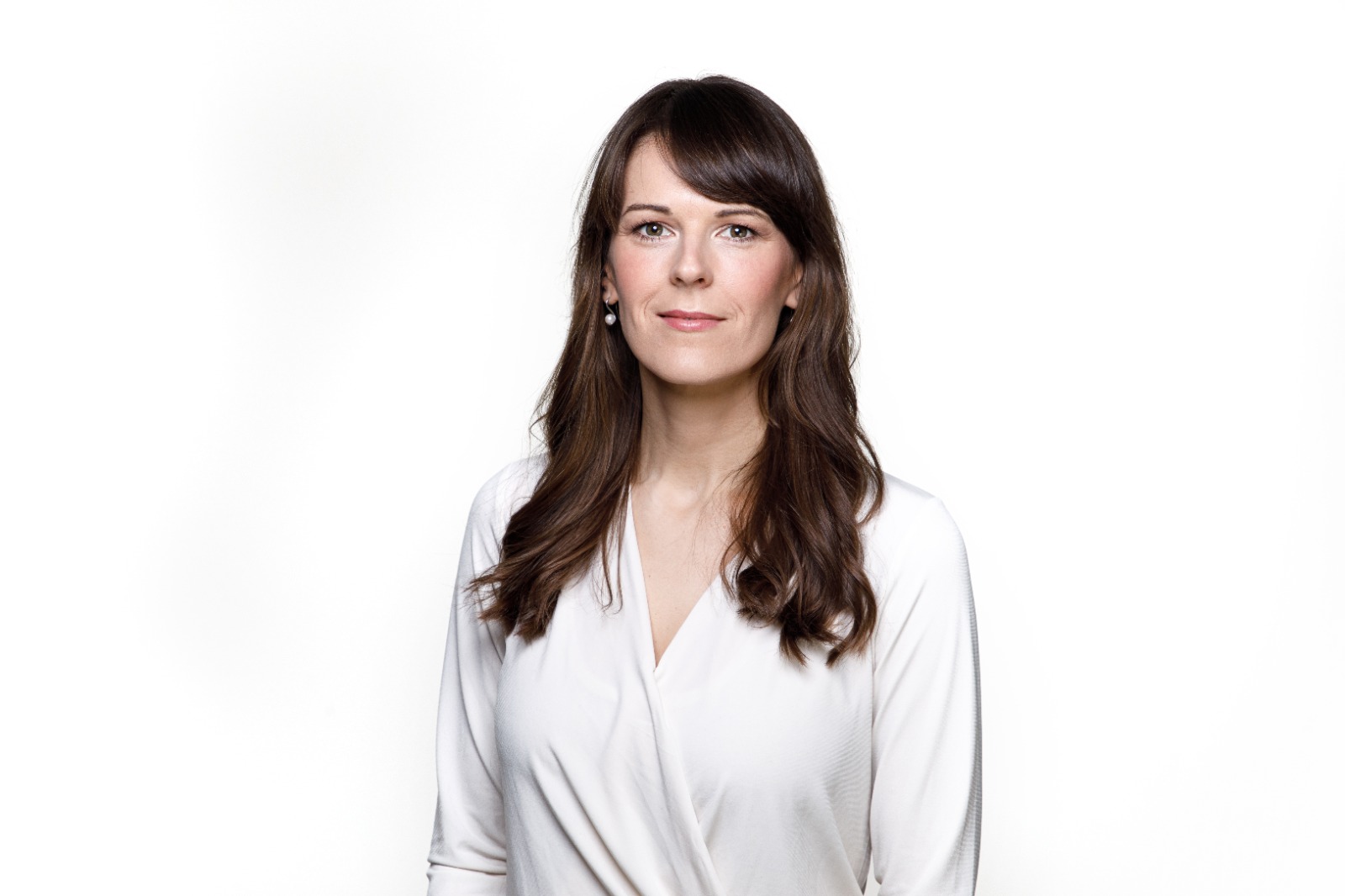
Last week, a single public post about state funding for certain organizations sparked a wide discussion, resulting in “NGO” nearly becoming a swear word on social media. The author, Elīna Grīnhofa, board member of the Ogre municipality civic cooperation and development society, points out that such generalization is problematic because the non-governmental sector is very diverse – it includes organizations defending the interests of seniors, youth, people with disabilities, as well as professional, cultural and sports associations, which obtain funding from various sources.
The Prime Minister's argumentation speaks of “NGOs” while relying on data on a wide range of associations and foundations, creating a misleading impression of a unified sector. Grīnhofa emphasizes that concrete organizations feel the consequences – those helping victims of violence, people in crises, and defending human rights.
The discussion is not only about money; it also concerns trust. In Latvia, trust in institutions and decision-making is already low, as confirmed by an OECD study where Latvia lags behind the average in several indicators. The author warns that public announcements of funding cuts before consultations with stakeholders can erode trust in an entire sector.
She compares the situation to Sprīdītis chasing will-o'-the-wisps in the forest, tempted by easy money, but the Wind Mother scolds him, urging him to tackle serious work. Latvia faces real challenges – security, economy, budget sustainability, demographics – requiring cooperation and trust. Instead of creating new conflicts, it would be worth considering what might be lost by reducing funding for civil society.


/nginx/o/2026/10/02/17950106t1h6d90.jpg)