Saudi Arabia Will Not Host Russia-Backed Intervision Song Contest This Year
Saudi Arabia will not stage the Russian-backed Intervision song contest in 2026, and the event may be postponed to 2027, Russian state news agency TASS reports. The decision leaves the future of Russia's alternative to Eurovision uncertain.
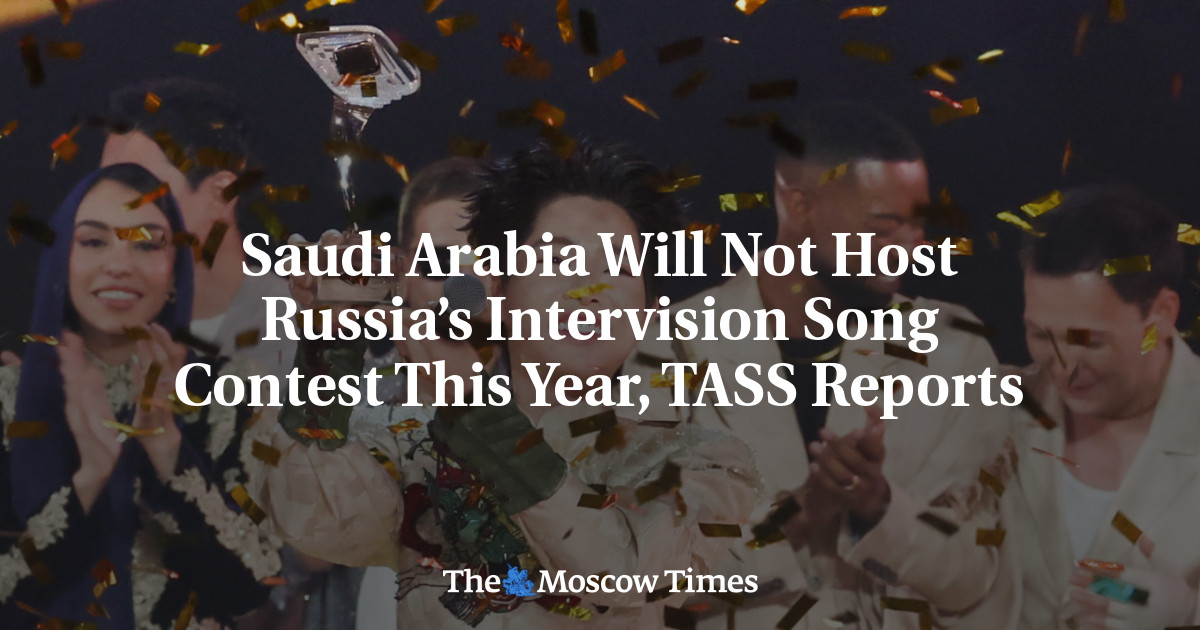
Saudi Arabia will not host the Russian-backed Intervision song contest this year, and the event could be pushed back to 2027. The report comes from TASS, Russia's state-run news agency, which cited an unnamed source. The source said a "combination of circumstances" had made it impossible to hold the contest in Saudi Arabia in 2026, but gave no further details.
The decision leaves the future of Russia's alternative to Eurovision uncertain, only a year after Moscow revived the Soviet-era competition.
Doubts since August
A source in Riyadh had already told TASS in August that the contest's dates, participants and program remained unclear. Saudi Arabia was named the next host at the final of the September 2025 contest in Moscow. Saudi officials later said Russia had not yet formally handed over responsibility for organizing the event. In May, Russian Foreign Minister Sergei Lavrov voiced hope that rising tensions in the Middle East would not disrupt plans for the second edition.
How Intervision returned
Russia brought Intervision back after it was barred from Eurovision in 2022 following its full-scale invasion of Ukraine. Eurovision's organizers said Russia's participation could bring the competition into disrepute. Culture Minister Olga Lyubimova then proposed reviving Intervision, which was held in the Polish city of Sopot in the late 1970s and early 1980s and featured performers from the Soviet Union and other socialist countries.
President Vladimir Putin signed a decree ordering the revival in February 2025, and Russian authorities allocated 750 million rubles ($9.3 million) to stage the contest.
Results of the Moscow contest
Organizers said participants came from 22 countries. Russia was represented by the pro-Kremlin singer Shaman. Vietnamese singer Duc Phuc, who had won his country's version of "The Voice" a decade earlier, took first place. Kyrgyzstan's group Nomad finished second, followed by Qatar's Dana Al Meer.