Saudi, Pakistani and Turkish Officials Hold Regional Security Talks in Tehran
Senior military and security officials from Saudi Arabia, Pakistan and Turkey are meeting Iranian officials in Tehran on Monday. All three belong to the Mecca defence pact, and the talks come as Iran-aligned Houthi rebels in Yemen intensify attacks on Saudi Arabia.
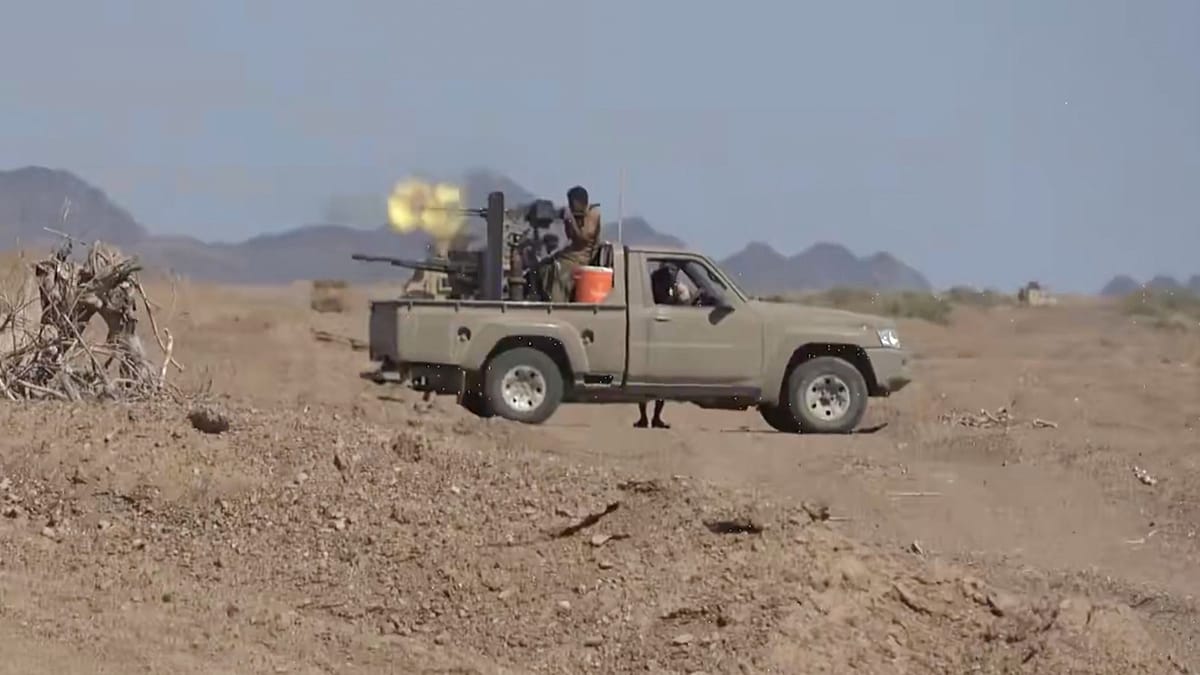
Saudi Defence Minister Prince Khalid bin Salman, Pakistani army chief Field Marshal Asim Munir and Turkish intelligence chief Ibrahim Kalin are taking part in security talks with Iranian officials in Tehran on Monday, 26 October. The three countries are members of the Mecca Joint Defence Agreement, a security alliance formed amid regional instability and concerns about threats linked to Iran and its allies. The talks come as diplomatic efforts to ease tensions between Iran and the United States continue, and as missile and drone attacks by Yemen's Iran-aligned Houthis on Saudi Arabia escalate.
According to Saudi and Iranian officials, the delegation is meeting Mohsen Rezaei, secretary of Iran's Supreme National Security Council. Iranian Foreign Ministry spokesperson Esmaeil Baghaei called the meeting a potential step towards cooperative regional security mechanisms. He repeated Iran's longstanding call for what it terms "endogenous security", a framework relying mainly on the capabilities and interests of regional states.
The Mecca pact
Saudi Arabia, Pakistan and Turkey signed the agreement in August 2026. Under it, an armed attack on one member counts as an attack on all three, obliging the others to assist. The pact combines Saudi financial resources and influence in global energy markets, Pakistan's nuclear capabilities, and Turkey's advanced defence industry and NATO membership. Turkish officials insist it is not aimed at Tehran or any other specific country. Foreign Minister Hakan Fidan said in an 8 August interview with Anadolu that no country is named as a common threat. Pakistan has approved the agreement, while Turkey has sent it to parliament but not yet completed ratification.
Houthi attacks as a test
The Houthi attacks have become the alliance's first major test. At an emergency meeting in Riyadh on 5 October, the three states agreed to move towards implementing their collective defence commitments, including rapid deployment of agreed forces and capabilities to Saudi Arabia. Ankara, however, distinguishes between supporting Saudi defences and joining offensive operations in Yemen. On 8 October Fidan said the pact was defensive and ruled out sending Turkish troops abroad to carry out attacks. Turkey has been considering contributions in air defence, electronic warfare and technical assistance.
Why talk to Tehran
Pakistan has acted as a mediator between Tehran and Washington in recent months. Saudi Arabia wants to contain the Houthi threat to its territory and infrastructure, and Turkey has sought to prevent further regional escalation. Saudi Deputy Minister for Public Diplomacy Rayed Krimly wrote on X on 26 October that the visit is part of continuing efforts to reduce tensions and encourage diplomatic solutions, and to support mediation by Qatar and Pakistan.
No agreement on a new joint regional security mechanism has been announced. Significant differences remain: Saudi Arabia has extensive security ties with the United States, Turkey is a NATO member, and Pakistan continues to pursue defence partnerships with several major powers.