Seven 2026 EVs with the Worst Range
While many EVs now offer over 300 miles of range, several models still fall short of 250 miles. This article lists seven 2026 electric vehicles with the lowest EPA-rated range.
The era of the 100-mile commuter EV is behind us, and numerous models now deliver over 300 miles on a single charge. However, there are still plenty that don't even hit 250 miles. According to the Federal Highway Administration, the average US driver traveled just over 37 miles per day in 2022, so even the shortest-range EV on this list can cover more than a week of typical commuting. Yet range remains a key concern because nobody wants to get stranded. EPA estimates are based on laboratory tests, so real-world range can vary significantly—cold weather alone can reduce it by 20-40%, per an AAA study.
Here are seven 2026 EVs that achieve less than 250 miles of range:
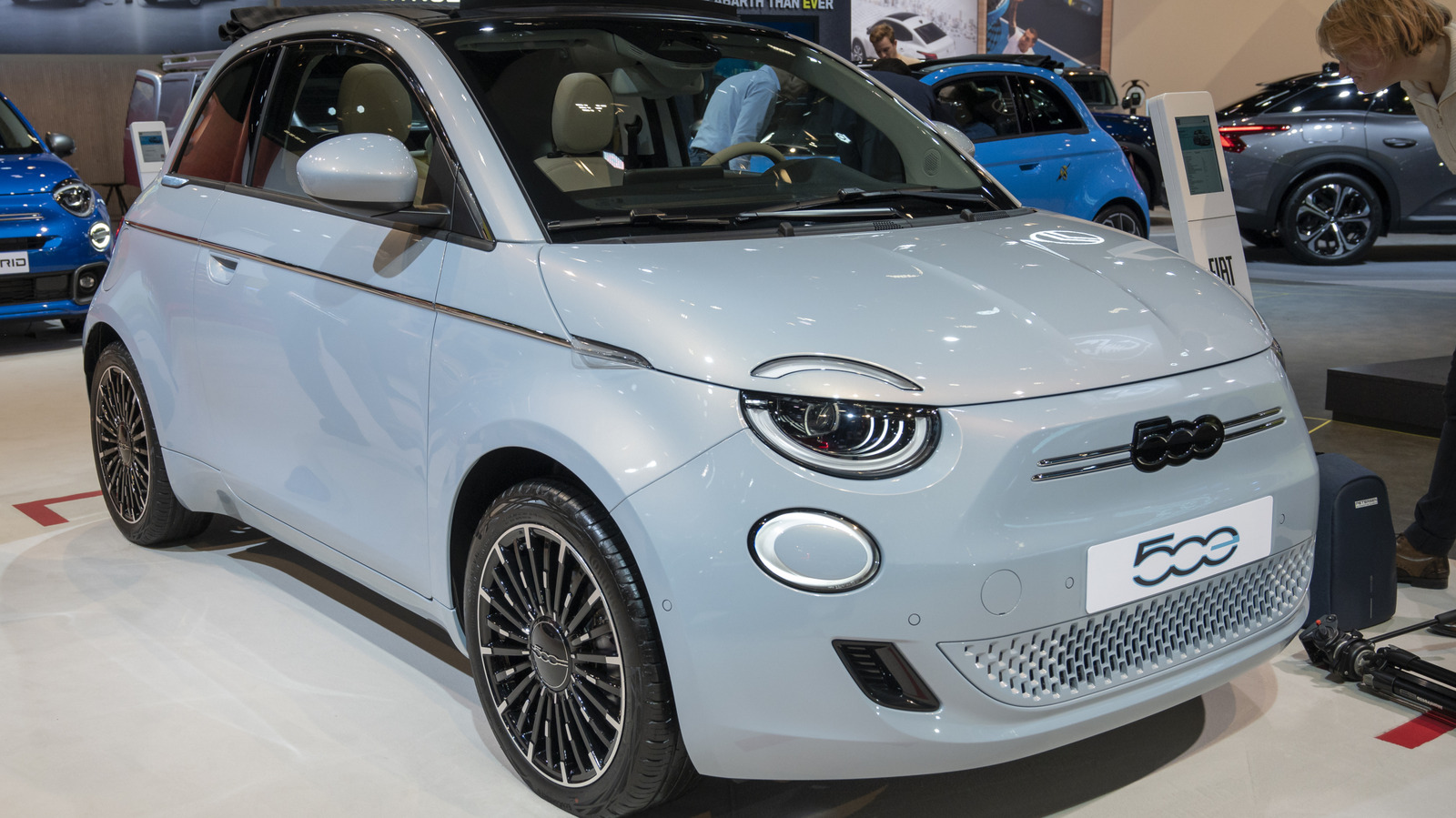
- Fiat 500e — 149 miles. This lightweight EV is adorable and ideal for city driving, but its 42-kWh battery and compact design make it unsuitable for highway trips.
- Hyundai Kona Electric SE — 200 miles. An affordable compact SUV with a modest battery, best suited for urban commuters.
- Mini Countryman SE ALL4 — 216 miles. With all-wheel drive and luxury features, this Mini has a starting MSRP of $45,200.
- Lexus RZ 550e F Sport AWD — 229 miles. This Lexus offers dual-motor performance and sporty design, but at $47,395, its range is underwhelming for the price point.
- Toyota bZ — 235 miles. Toyota's mainstream EV is practical for daily use with a spacious cabin, but its max range is 235 miles, with a starting price just under $35K.
- Kia EV6 — 237 miles. A sleek crossover with ultrafast charging that can add about 70 miles in under 20 minutes.
- Nissan Leaf SV Plus — 212 miles. One of the first mass-market EVs, it remains a relevant choice with 212 miles of range.
Do low-range EVs make sense in 2026? For urban dwellers who rarely cover long distances, a smaller battery is practical, and the lower price makes EV ownership more accessible. Additionally, the national charging infrastructure continues to expand. However, if you frequently take long road trips, you might want to avoid these options.