Student movement “Student List” wins Serbia's early parliamentary election
The opposition “Student List” won an absolute majority in Serbia's early parliamentary election, defeating the party of longtime leader Aleksandar Vučić. The EU welcomed the result, but the new force's stance on Russia sanctions and Kosovo leaves Serbia's EU path uncertain.
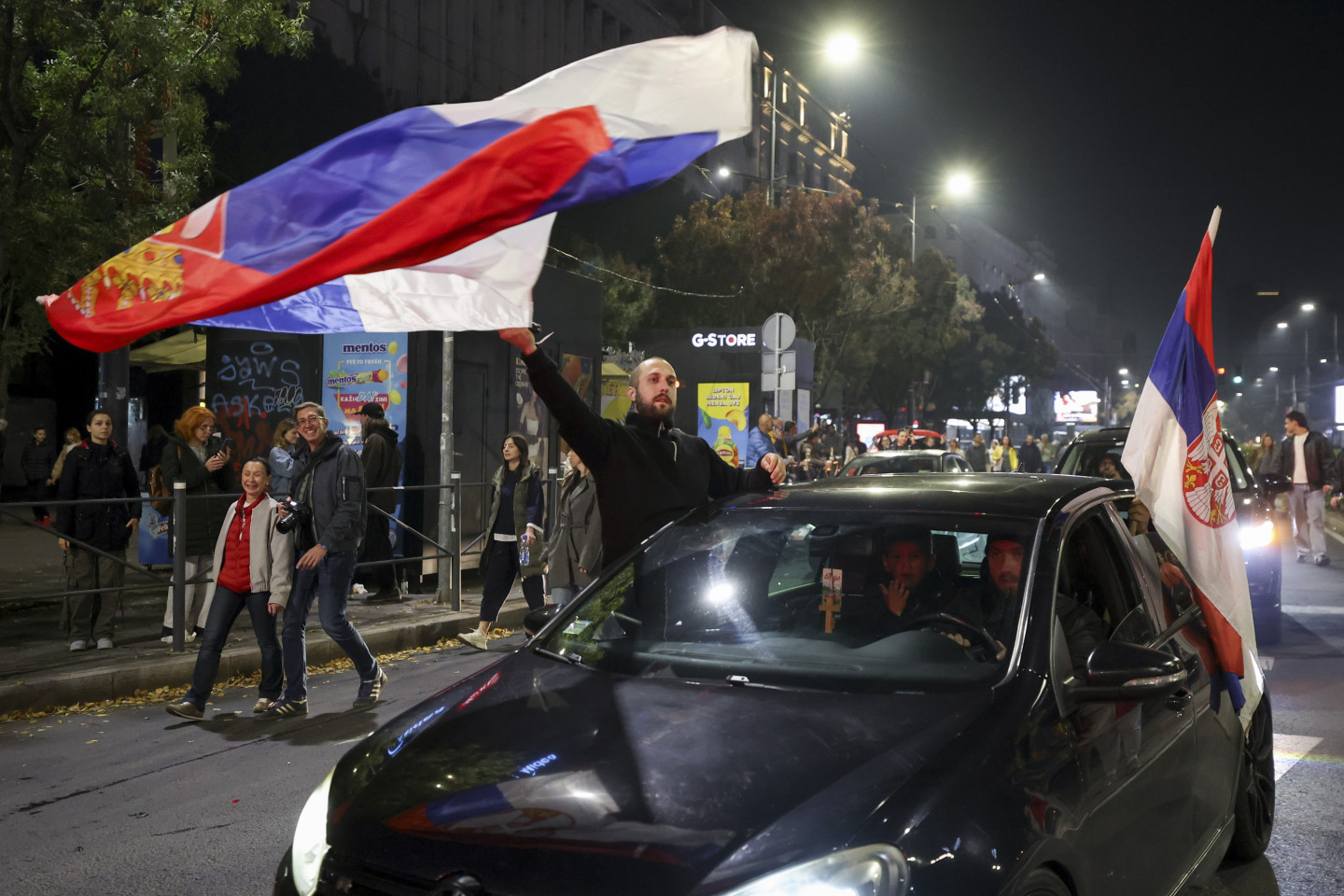
Serbia held an early parliamentary election on Sunday, and the opposition movement “Student List” won. It took more than 52% of the vote and an absolute majority in parliament, defeating the Serbian Progressive Party of Aleksandar Vučić, which had governed for 12 years. The result matters for the European Union as well, because Serbia's accession talks have stalled.
Vučić left the presidency early in September in order to run in the parliamentary vote. After the ballot he conceded defeat. Miloš Vučević, a longtime ally of Vučić in the Progressive Party, said the party would show how an opposition that protects the state and understands its responsibility behaves.
How the movement emerged
Protests against the authorities began after shootings in Mladenovac and Smederevo in May 2023, in which nine people were killed. They grew after the concrete canopy of the main railway station in Novi Sad collapsed on 1 November 2024, killing 15. Demonstrators also voiced anger over corruption and media censorship. The list was formed in 2025. It consists of 250 academics, scientists and other professionals nominated by student assemblies. Its leader is cardiologist Ilija Srdanović.
European reaction and open questions
European Council President António Costa and European Commission President Ursula von der Leyen pledged support for reforms on the rule of law, media freedom and the fight against corruption. EU enlargement commissioner Marta Kos stressed that the door to the EU remains open.
Serbia's path to the EU is held back by its attitude toward Russia. This summer eight member states blocked the opening of a new accession cluster because Serbia has not joined sanctions against Russia. The Student List has said it does not plan to impose them, and it points to dependence on gas from Russia's Gazprom, about 2.2 billion cubic metres a year. Its candidates also promised to halt arms exports to war zones. The list further regards Kosovo, which declared independence in 2008, as an integral part of Serbia.