Hundreds evacuated as wildfires sweep Turkey's western and southern coasts
Wildfires broke out in Turkey on Wednesday amid extreme summer heat, forcing evacuations of hundreds of people across several regions, including popular tourist destinations. Over 55 buildings were damaged or destroyed.
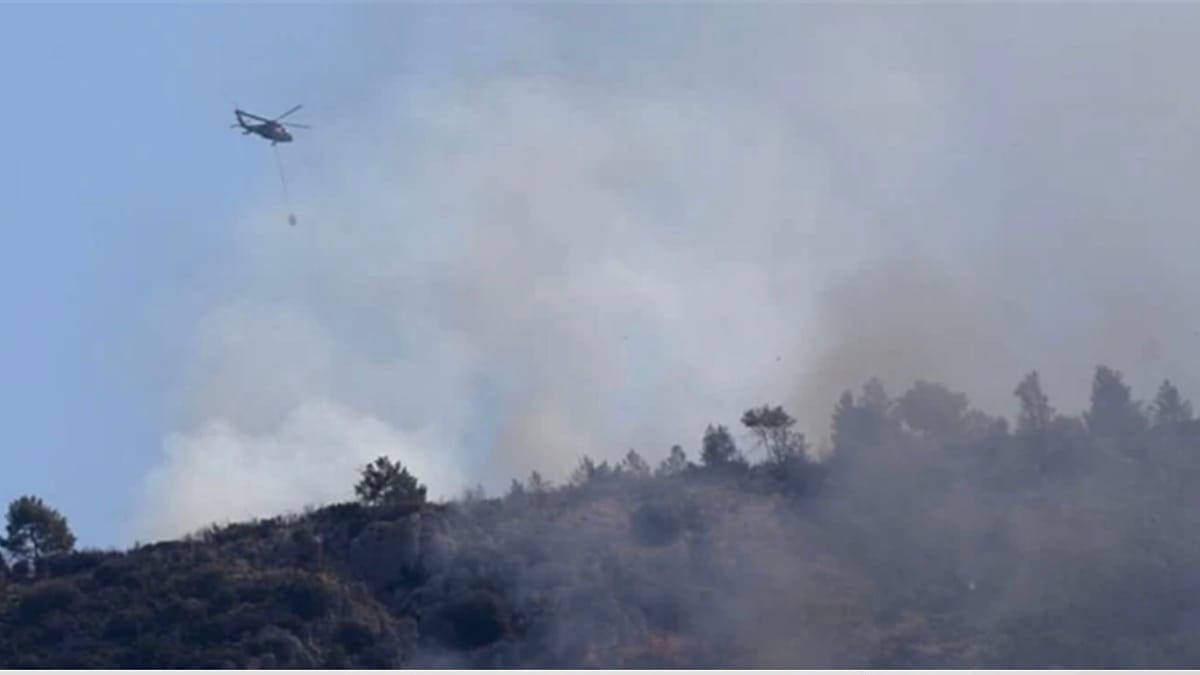
Wildfires that broke out on Wednesday along Turkey's western and southern coasts continued to rage on Thursday, prompting the evacuation of hundreds of residents and tourists. Firefighters were battling active blazes in several regions, including Antalya and Muğla, which is known for some of the country's most visited resorts. The fires started during extreme summer heat.
Agriculture and Forestry Minister İbrahim Yumaklı stated that fires in Yalova's Armutlu, Kütahya's Domaniç and Altıntaş, and Çanakkale have been fully contained. However, Antalya, Muğla, and Balıkesir remain under threat. The UK Foreign Office's travel advice notes that wildfires are a regular feature of Turkish summers, but no blanket warning against travel to these areas has been issued.
The most serious active fire is in Seydikemer, a district between Fethiye and Marmaris. The blaze started on farmland Wednesday morning and spread into woodland. Forty-five patients were evacuated from the local state hospital and transferred to nearby facilities. Across six affected neighborhoods, 408 homes were evacuated, and 703 people along with around 100 animals were moved to safety. Fifty-five buildings were damaged, some completely destroyed. More than 25 aircraft, 410 ground vehicles, and over 1,100 personnel were deployed to the area.
In Kumluca, south of Antalya city, a fire left 10 homes uninhabitable. Crews brought the main blaze under control but continued cooling operations on Thursday. In Balıkesir province, five separate fires broke out on Wednesday. The most significant was in Altınoluk, a seaside town on the Aegean known for its olive groves. The fire grew rapidly in wind and threatened residential areas, prompting the evacuation of 210 homes. The Gömeç fire in the same province was still active on Thursday evening. Six aircraft, five helicopters, and dozens of fire trucks were deployed across the province.
Turkey's Aegean and Mediterranean coasts are vulnerable to wildfire each summer due to a combination of prolonged drought, temperatures regularly exceeding 40°C in July and August, low humidity, and strong seasonal winds, particularly the dry northern Etesian winds known as meltemi. These conditions allow fires to spread rapidly through pine and scrub forests.
Travellers heading to the region should be aware of specific disruptions: the Fethiye–Antalya highway was temporarily closed due to smoke from the Seydikemer fire and later reopened under controlled conditions. Access to the ancient ruins at Olympos in Antalya province was closed. Kaş, a popular diving and boat-trip destination, has an active fire in surrounding woodland.