Syria's court sentences Assad to death, but survivors say justice remains out of reach
A Damascus court sentenced former dictator Bashar Assad and senior regime officials to death in absentia for war crimes, but activists say the ruling means little while Assad remains free in Russia.
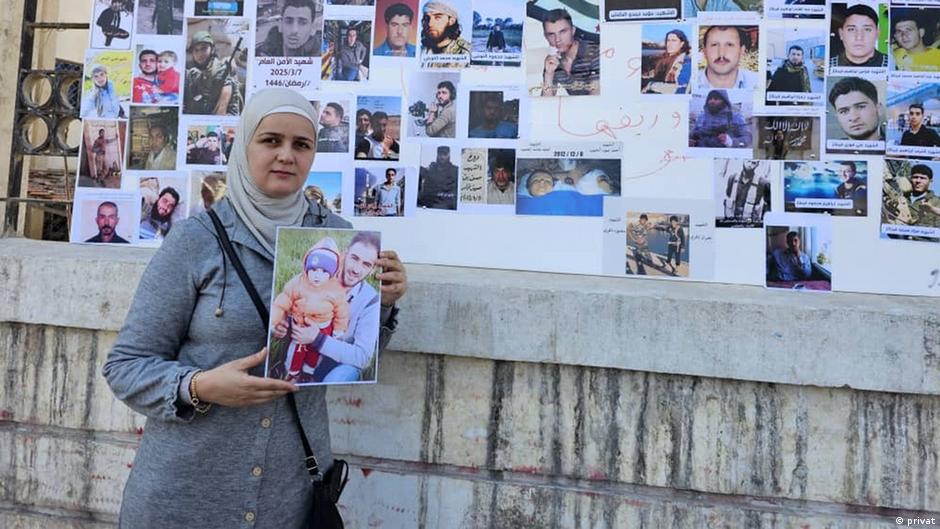
Nearly two years after Bashar Assad's regime was overthrown, Syria has begun putting its former rulers on trial. In mid-August, a Damascus court sentenced Assad and several senior regime officials to death in absentia, finding them guilty of premeditated murder, torture and unlawful detention — crimes the court classified as war crimes and crimes against humanity. Assad has been living in Russia since fleeing in late 2024, along with many other former officials.
The verdict was widely celebrated in Syria, but it remains uncertain whether any real punishment will follow. Although Russia and Syria signed an extradition treaty in 2023, observers doubt Moscow will hand over its longtime ally, especially since the treaty could block extradition in cases involving the death penalty. Syria's Deputy Justice Minister said in August that a commission had been set up to cooperate with Interpol to speed up efforts to extradite fugitives.
A symbolic step, not justice
For survivors such as women's rights activist Huda Khayti, who survived a 2013 chemical attack in eastern Ghouta and lost her brother to regime bombing, the conviction is welcome but insufficient as long as Assad lives freely in Russia. According to the Syrian Network for Human Rights, more than 234,800 civilians were killed during the civil war, at least 202,000 of them by the Assad regime and its allies. The group has also documented over 181,300 cases of arbitrary arrest and enforced disappearance, 45,300 deaths from torture, and 217 chemical weapons attacks.
Experts say genuine transitional justice requires far more than court verdicts — including searching for missing persons, investigating crimes, deciding reparations, and reforming institutions, all centered on victims. Syria's new government has created two commissions, one focused on missing persons and another on transitional justice, but the latter has so far only examined crimes committed by the Assad regime, leaving out abuses by armed factions and the extremist group known as the Islamic State. Activists insist that crimes by all sides must be investigated and that survivors be given a genuine voice in the process.