Surround Sound Speaker Channel Numbers: How to Choose the Right Home Theater System
The article explains the meaning of speaker channel notations and offers advice on selecting the most suitable system based on room size, budget, and usage habits.
What Do Surround Sound Channel Numbers Mean?
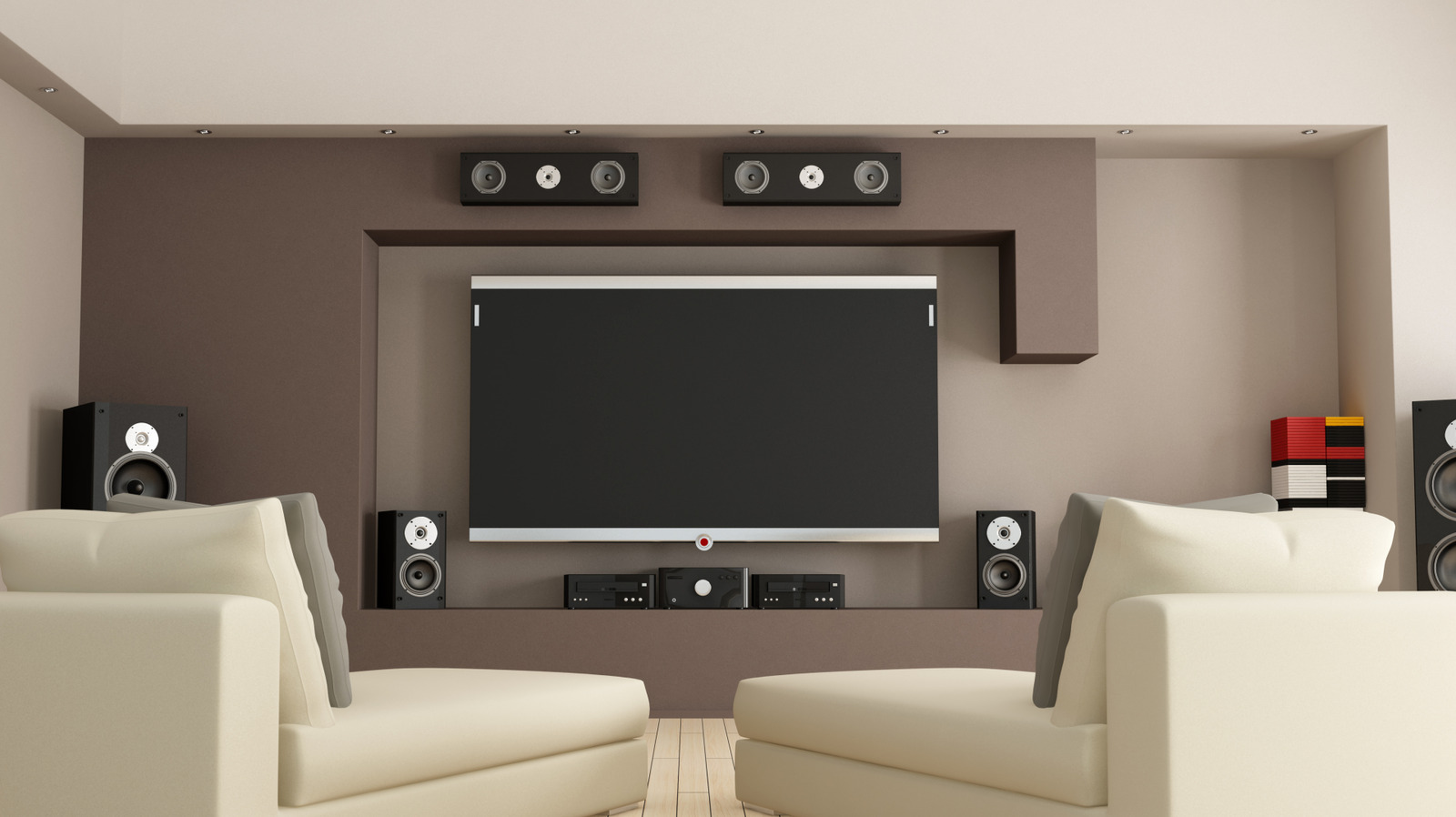
Home theater systems are commonly labeled with a two- or three-digit notation, such as X.Y or X.Y.Z. The first digit always represents the number of ear-level speakers. The second digit indicates whether the system includes a subwoofer: "1" means yes, "0" means no. The third digit, found only in advanced systems like Dolby Atmos or DTS:X, denotes the number of overhead or upward-firing speakers. The most common configurations are 2.0 (two speakers), 2.1 (two speakers plus a subwoofer), 5.1 (five speakers and a sub), and 7.1 (seven speakers and a sub). Premium Dolby Atmos setups may come as 5.1.2, meaning five ear-level speakers, a subwoofer, and two overhead or upward-firing speakers.
How Many Speakers Do You Really Need?
The ideal number of speakers depends on the size of your room, your budget, and the type of content you watch. If you regularly watch big-budget action movies, a 5.1 or 7.1 system is likely suitable. A 5.1 setup starts at around $500, while the cheapest 7.1 systems cost at least $1,500. High-end 5.1 systems can reach over $3,000, and 7.1 setups can exceed $4,000. Space is crucial: in a small apartment, a quality soundbar paired with a subwoofer is a better choice. Conversely, if you have a large house and a generous budget, you can indulge in a 7.1.2 Dolby Atmos setup.
Some modern soundbars deliver convincing spatial audio without additional speakers. For instance, the Sonos Arc Ultra features 14 drivers in a 9.1.4 channel configuration for $1,000, offering a room-filling soundscape. It can be expanded with a Sonos Sub or two Sonos Era 300 speakers. Another option is the Samsung Q-Series HW-Q990F, which includes a Dolby Atmos soundbar, a subwoofer, and two rear speakers.
Choosing the Right System
The definition of "good" is subjective. For small living rooms and music listening, a two-speaker system or a soundbar will serve well at a budget-friendly price. Gamers who frequently use PS5 or Xbox Series X/S and appreciate Dolby Atmos, such as in Cyberpunk 2077, should opt for a proper 5.1 system. Most users do not need a 7.1 system unless they collect 4K Blu-rays. The 5.1 configuration offers the best balance of cost and performance for movie lovers with decent-sized rooms. Casual TV viewers who are not concerned with the differences between Dolby Digital, DTS, and Atmos can get by with a soundbar and a subwoofer for deeper bass.