School psychologist: Fear of school now appearing at increasingly younger ages
An Estonian school psychologist warns that school avoidance is no longer limited to teenagers, with signs now appearing as early as preschool. She says close cooperation between schools and families is key, though support availability varies across Estonia.
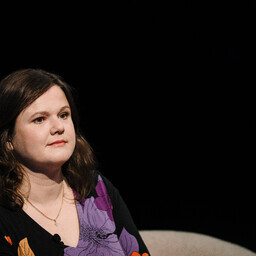
An Estonian school psychologist interviewed by ERR News says an increasing number of children — not just teenagers — are losing motivation to learn, with some showing signs of school avoidance even before reaching school age. She describes the phenomenon as a mismatch between a child's needs and their environment, noting the causes can vary widely.
The issue is most visible during puberty, when young people begin questioning their identity and future, but warning signs often appear much earlier — even first-graders can struggle to adjust. The psychologist also points to cases of high-achieving students who suddenly stop attending school because they no longer have the energy to get up in the morning, a pattern she links to burnout.
Pressure from an achievement-driven society
She attributes part of the problem to a highly information-saturated, achievement-oriented society that expects children to excel in everything, from academics to sports. Children internalize these expectations and become excessively self-critical, which can contribute to mental health disorders.
What families and schools can do
According to the psychologist, the first step is noticing changes in a child's behavior, with parents and schools working together to identify what has changed. Solutions may include adjusting a child's curriculum or offering individualized support, including temporary home study. She notes that the hardest cases involve learning avoidance rather than school avoidance, where a child stays home but cannot bring themselves to do even minimal schoolwork due to lack of energy.
She stresses that dropping out is no longer limited to children from disadvantaged backgrounds — access to support systems is now the deciding factor. Currently about half of Estonian schools have a school psychologist, and municipalities are required to reimburse families for outside psychological support, though many parents remain unaware of this right. Estonia also runs a free, anonymous advice line staffed by qualified school psychologists for parents, children and teachers.