Slaidiņš: Russia's prolonged air campaign aims to exhaust Ukraine
Latvian National Guard officer Jānis Slaidiņš says Russia is using a sustained air-attack strategy to wear down Ukraine's air defenses and demoralize society. Diplomatic contacts with the US show no sign yet of a breakthrough on territorial issues.
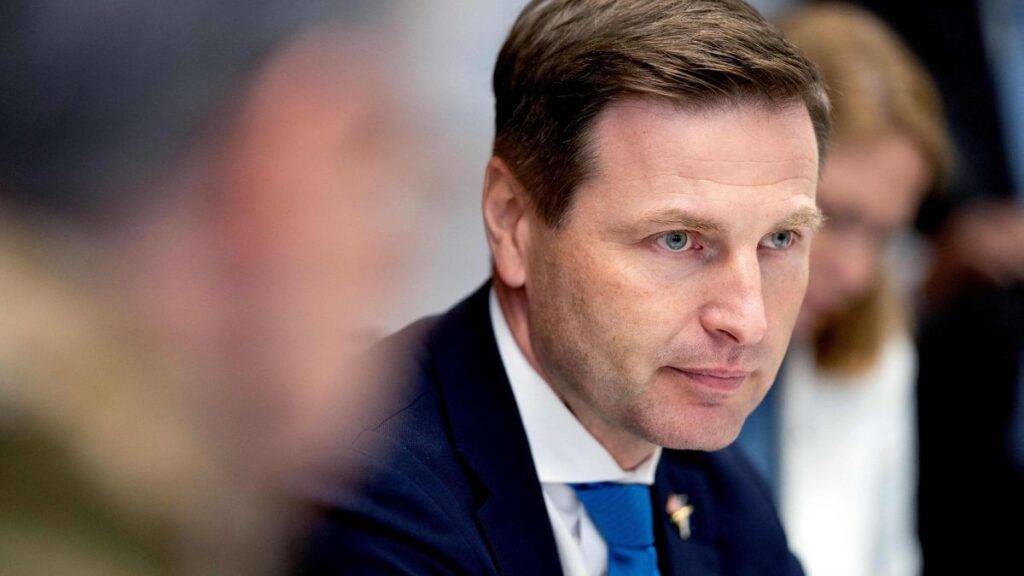
Latvian National Armed Forces major and National Guard staff officer Jānis Slaidiņš explained on TV24's program on the war in Ukraine that Russian attacks increasingly resemble a prolonged air campaign rather than strikes aimed at destroying individual targets. According to him, Moscow's goal is to simultaneously overload Ukraine's air defense systems, damage infrastructure and energy facilities, and psychologically wear down the population.
Jet-powered drones raise the strain
Slaidiņš says the main security risk lies in Russia's shift toward a model of prolonged air exhaustion. Jet-powered drones travel significantly faster, leaving Ukraine's air defenses less time to detect, identify and intercept incoming targets. This complicates the use of cheaper mobile interceptors and forces the entire air defense system to remain on high alert for extended periods, affecting both resource consumption and long-term ability to protect various sites.
Three interconnected objectives
Slaidiņš describes Russia's air campaign as having three components: physical destruction, the depletion of Ukraine's air defense systems combined with economic pressure, and psychological impact on society. Strikes on logistics, infrastructure and energy facilities disrupt everyday life even far from the front line.
Information campaign and diplomacy
Slaidiņš stresses that the Kremlin's information messaging no longer aims to build pro-Russian sentiment but rather to generate fatigue, apathy and a sense that resistance is futile. This complements military pressure with informational influence, seeking to erode confidence among Ukrainians and their partners that continued resistance is worthwhile.
Meanwhile, diplomatic contacts between Russia and the United States continue, but Slaidiņš notes there are no signs the two sides are nearing compromise on the key issue of territory, so the talks should not be seen as a sign the war will end soon. He identifies the main near-term risk as a combination of four factors: military pressure at the front, sustained air terror, strikes on rear logistics and energy infrastructure, and an information campaign aimed at demoralization.