Slaidiņš: Russian Strikes on Ukraine's Rear Look More Like Hope for a Miracle Than Strategy
Jānis Slaidiņš, a major in Latvia's National Armed Forces, says Russia, unable to succeed at the front, hopes missile and drone strikes will break Ukrainian resistance. He believes Moscow is in a weak position in talks with the US and will try to drag out the diplomatic process.
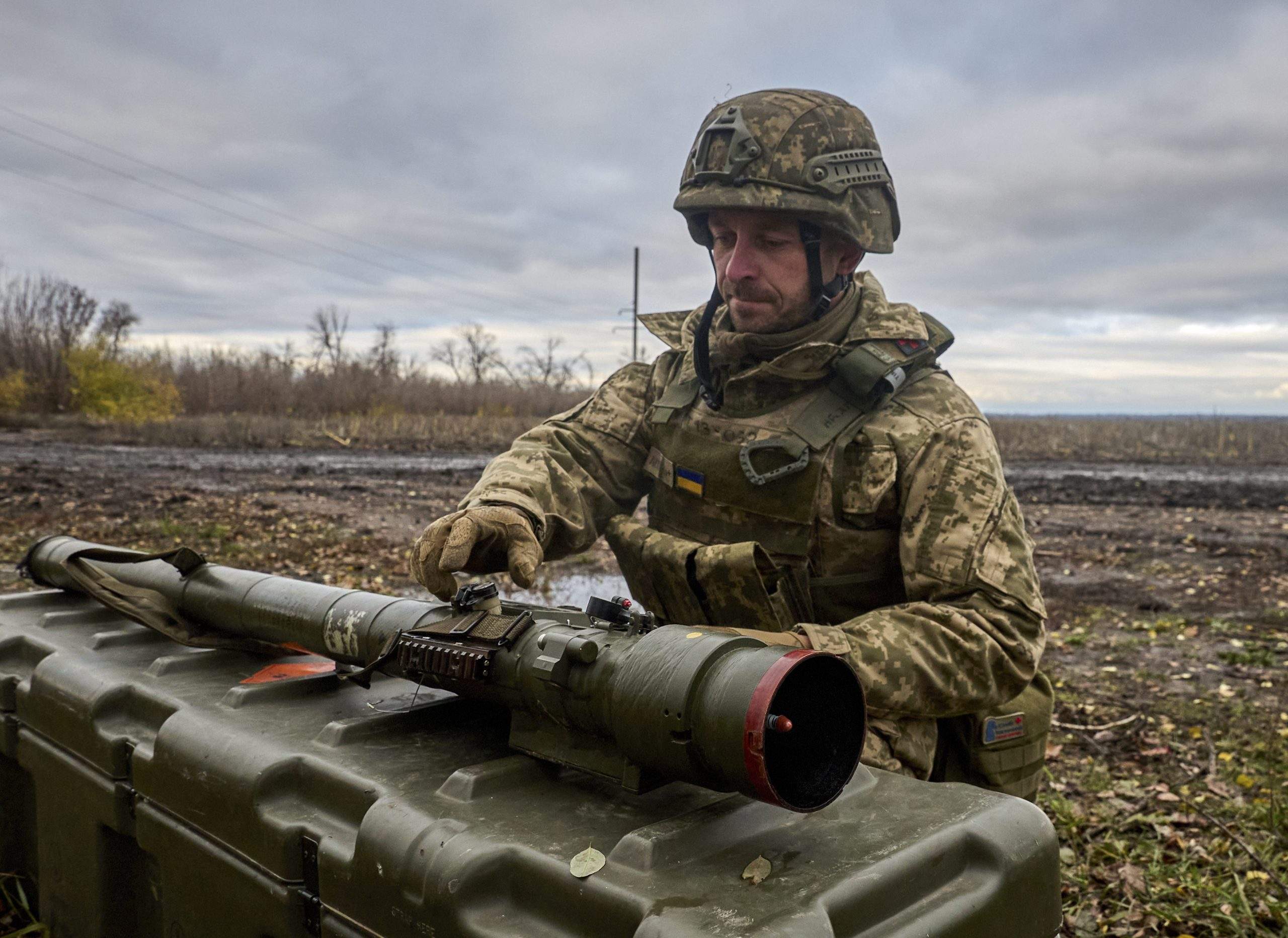
Unable to achieve decisive results at the front in Ukraine, Russia is relying more and more on missile and drone strikes against Ukraine's rear areas. According to Jānis Slaidiņš, a major in Latvia's National Armed Forces (NBS) and a staff officer of the National Guard, the aim is to break public resistance and provoke political instability, in effect a new Maidan. He spoke on 22 November 2026 on the show "Aktuālais par karadarbību Ukrainā" (Current Developments in the War in Ukraine) on the TV24 channel. In his view, such tactics resemble hope for a miracle more than a genuine military strategy.
Why the tactic may not work
Slaidiņš said it is unclear why Russia expects to succeed now if it has failed in previous years of the war. Ukrainians have already survived several winters, he noted, so it is not evident what would force them to capitulate this time.
He also pointed out that Russia is diverting a large share of its economic resources to producing drones and missiles. These weapons can cause Ukraine considerable damage, but that does not automatically improve Russia's own economic and strategic position.
Talks with the US
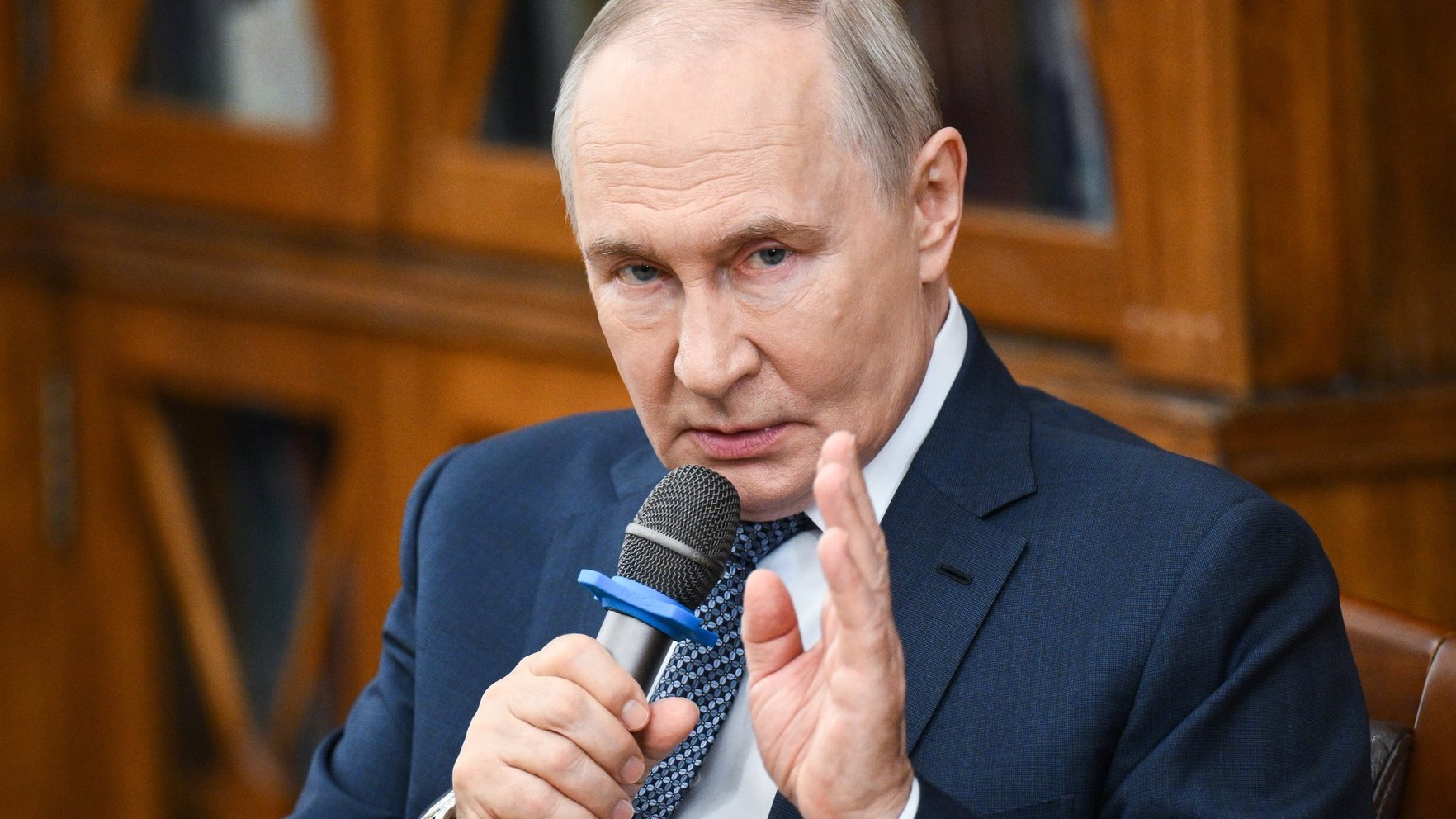
Slaidiņš assessed that Russia's only way out of the war on more or less acceptable terms is negotiations, but the present moment is not favourable for Moscow. With no success at the front and after the humiliation caused by strikes on the Crimean Bridge, Russian President Vladimir Putin is entering the process from a weakened position. The expert therefore considers it possible that the Kremlin will try to drag out the talks, including by rejecting US proposals to involve Europe.
At the same time, Slaidiņš stressed that starting negotiations does not in itself mean the end of the war. He described diplomacy as another dimension of war alongside land, sea, air and cyberspace. As an example he cited the Vietnam War, when the intensity of US bombing increased precisely as the negotiation process picked up.
In his view, mutual strikes on bridges cannot by themselves change the situation on the front line, but they may influence the sides' positions in possible talks.