Social Media Bans Alone Won't Solve Child Safety Issues, Study Finds
The "EU Kids Online 2026" study indicates that age restrictions on social media are insufficient for protecting children online; digital literacy, parental involvement, and platform responsibility are also crucial.
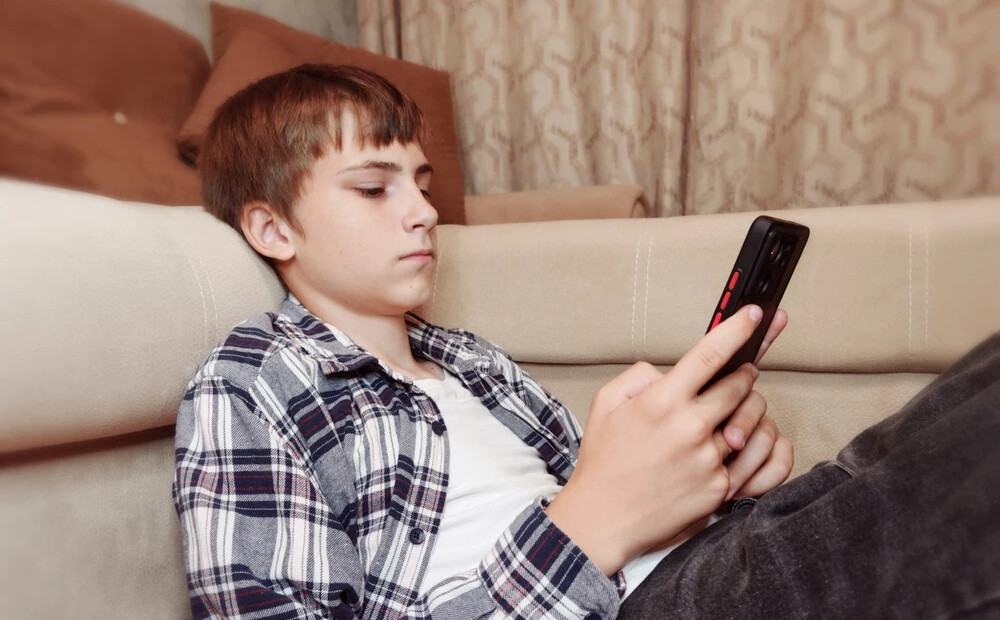
A new international study, "EU Kids Online 2026," has found that social media bans by themselves do not address children's safety problems in the digital environment. The study, which involved researchers from the Latvian Academy of Culture, stresses the need for a multifaceted approach.
While stricter age limits may seem logical, the study's data reveal a more complex picture. The potential benefits of bans are not clear-cut, while the losses—such as reduced social contacts, limited access to information, and decreased participation—can be significant. Researcher Gints Klāsons warns that in trying to protect children from some risks, there is a danger of depriving them of important opportunities.
The research emphasizes that alongside technical restrictions, it is essential to develop digital literacy, encourage parental involvement, increase platform accountability, and create a safer digital environment for children. It also highlights the need to balance protection with children's rights to participate in digital life.
Findings show that children's online lives are closely integrated with their daily routines. The most common online activities are chatting with friends, watching videos on social media, and listening to music. In six countries, 34% of children aged 9–11, 70% aged 12–14, and 89% aged 15–16 have a social media profile.
One in five European children aged 9–16 report encountering problematic content, most often conspiracy theories, indicating widespread concern about misinformation. Children also worry about family health, war, future employment, and school performance. Children from lower socioeconomic backgrounds are more likely to search for mental health information online and engage in potentially risky activities, such as seeking new contacts or sharing personal information publicly.
A total of 29,169 children aged 9–16 from 19 European countries participated in the study. The "EU Kids Online" network continues to research children's and adolescents' internet usage patterns.