Finnish President Urges European Leaders to Engage Directly with Putin
Finnish President Alexander Stubb says European leaders should contact Russian President Vladimir Putin directly rather than leave it to others. He argues Europe is at a crossroads between a Yalta-style and a Helsinki-style outcome.
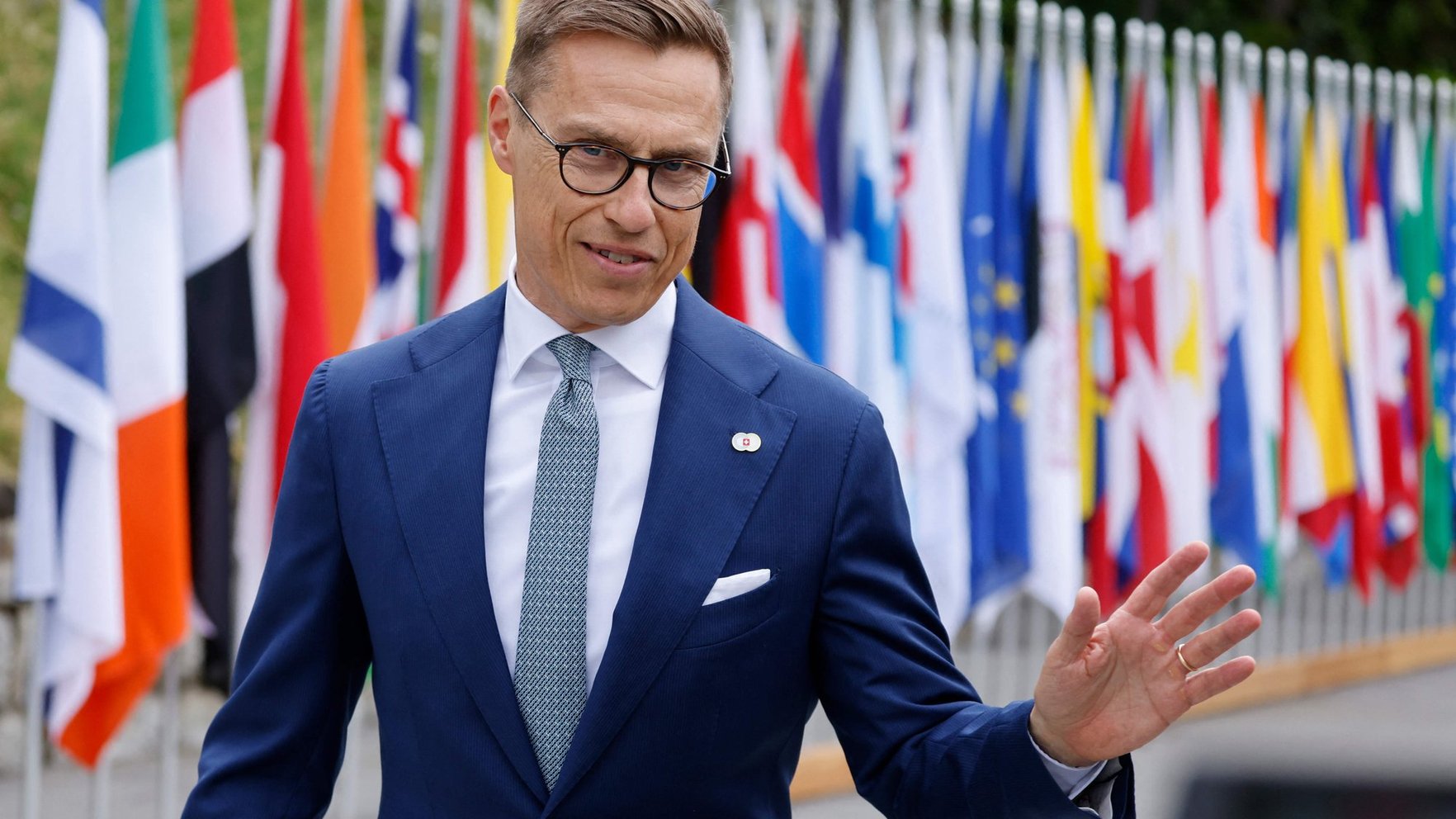
Finnish President Stubb has said European leaders should communicate directly with Russian President Vladimir Putin and present him with a united position backed by coordinated arguments. In his view, Europe has outsourced its communication with Russia for too long, which he called irresponsible. The appeal comes as Europe prepares to take part in talks aimed at ending the war in Ukraine.
Europe at a crossroads
Stubb said the continent faces a choice. One option is a repeat of the 1945 Yalta Conference, which left Eastern European countries within the Soviet sphere of influence. The other is the spirit of the 1975 Helsinki Accords, which helped ease tensions between East and West.
He suggested Washington currently leans more toward dividing the continent into spheres of influence, but could favour the Helsinki approach in future. According to the president, this uncertainty must not stop Europe from building its own dialogue with Russia.
Stubb praised US negotiators for restarting the deadlocked dialogue between Kyiv and Moscow and for supporting a European role in further talks. He also said he is convinced that Russia has not won the war and will not win it. In his words, Putin is ready to engage with Europe, but Europe itself is late in preparing for such talks.
A European negotiating team
Last week, European Union leaders agreed that officials from France, Italy, the United Kingdom, Poland and Germany, along with representatives of EU and NATO institutions, would represent Europe in talks between Russia and Ukraine. On Tuesday, Stubb and other leaders will meet in Berlin to discuss a common European position.
Last month, Stubb and Norwegian Prime Minister Jonas Gahr Støre held a phone call with Putin. The move drew criticism from some colleagues, who had not been consulted beforehand. Stubb nonetheless defended the initiative, saying it was an important step in the chain of events that led to Europe's decision to form its own negotiating team.