Saudi Arabia's Execution Toll Keeps Rising, Rights Groups Warn
Saudi Arabia on Saturday executed two men convicted of terrorism offenses, bringing this year's total to 211. Human rights organizations say the pace reflects intensifying repression.
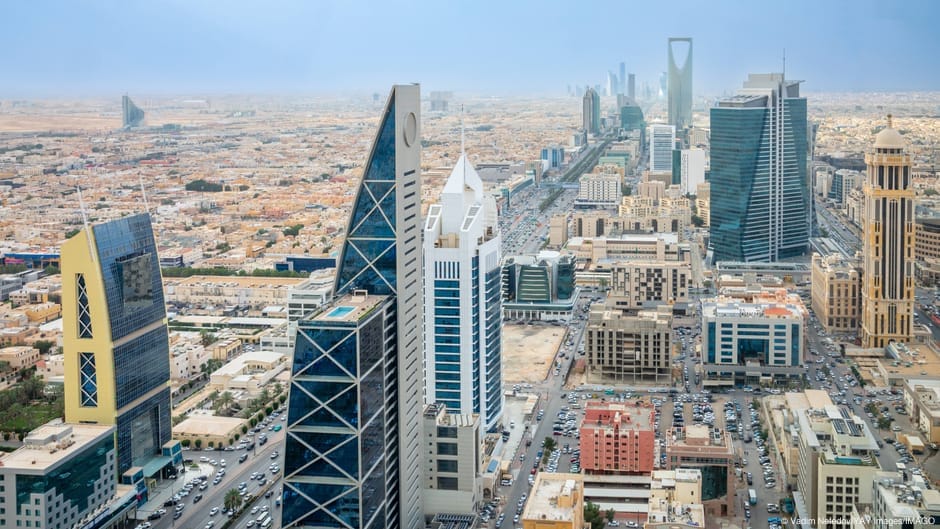
Saudi Arabia on Saturday executed Jawad Abdullah Qureiris and Fadel Hassan al-Safwani in the country's Eastern Province. Saudi authorities convicted both men of terrorism offenses. Rights groups say the killings show the kingdom is maintaining a high rate of executions after a record year in 2025.
The men who were executed
In 2011, al-Safwani was a prominent organizer of peaceful protests calling for civil rights and the release of detainees. Qureiris, then a minor, took part in one of those protests in the city of Qatif. In November 2024, the UN Working Group on Arbitrary Detention called for his release after finding his detention arbitrary. Its opinion also covered four other men, and Qureiris is the fourth of the five to be executed. According to human rights organizations, the fifth, Yousef al-Manasif, remains at risk because Saudi Arabia's Supreme Court upheld his death sentence.
The numbers
An AFP tally puts the number of executions in Saudi Arabia in 2026 at 211. Of these, 126 people were convicted of drug trafficking and 17 on terrorism-related charges. One hundred were Saudi nationals and the rest were foreigners. Human Rights Watch says at least 356 people were executed in 2025, a record, and more than 2,000 over the past decade. The Death Penalty Information Center ranks Saudi Arabia third in executions, behind China and Iran.
Possible link to the Iran war
After US-Israeli attacks on Iran in February, Saudi Arabia has been targeted by Iran and by the Iran-aligned Houthi group in Yemen. Rights advocates, including Maryam Aldossari of the London-based group ALQST, argue that the authorities have used the war to step up repression, particularly against the Shia minority concentrated in the Eastern Province. Neil Quilliam of the think tank Chatham House is more cautious. He says regional tension heightens official concern about national security, but that it is harder to show that the human rights situation has changed.
DW contacted Saudi Arabia's Human Rights Commission on November 16 and had received no reply at the time of publication.