SpaceX successfully launches new V3 Starlink satellites but suffers another booster failure
SpaceX's 13th Starship test flight successfully deployed the first third-generation Starlink satellites, but the Super Heavy booster exploded during a simulated landing. This marks the second booster failure on the V3 Starship variant.

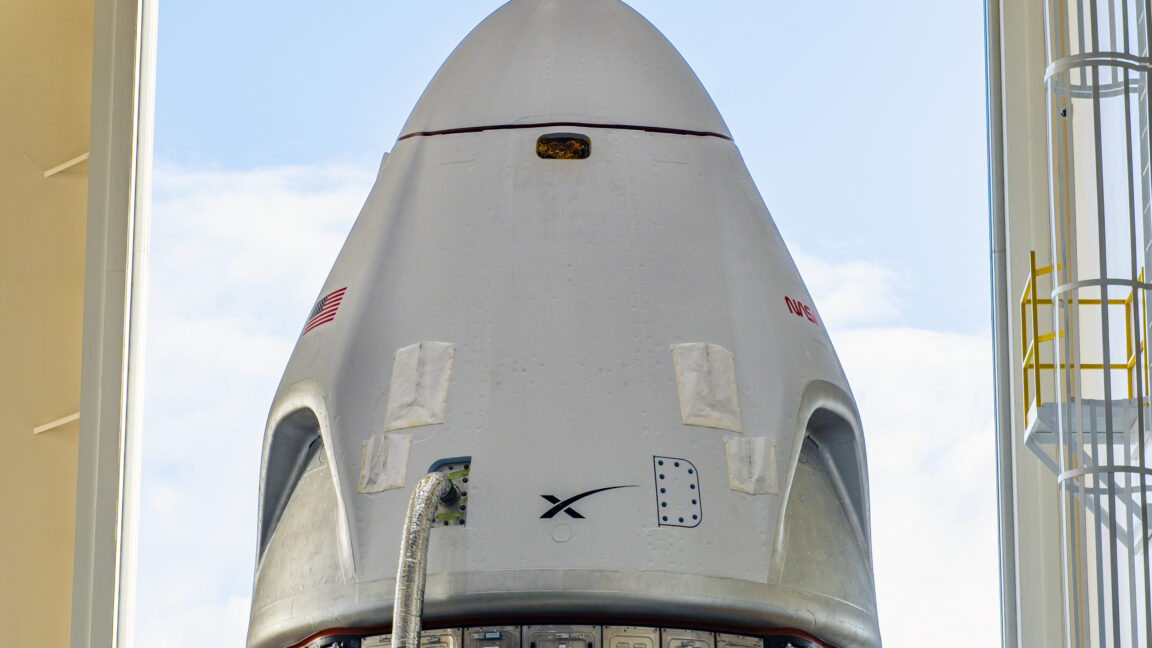
On Friday, SpaceX conducted the 13th test flight of its Starship rocket using an upgraded prototype, successfully deploying the first batch of third-generation Starlink satellites. However, the mission was marred by another failure of the Super Heavy booster during a simulated landing attempt in the Gulf of Mexico.
The booster exploded after hitting the water faster than expected. This is the second time SpaceX has encountered a booster issue on the V3 Starship; the first occurred in May during stage separation on the inaugural V3 flight.
SpaceX had attempted the 13th launch just over a week earlier, but it was aborted immediately after ignition due to multiple engine failures. Six engines were replaced ahead of Friday's flight to address the issue.
The launch was the first Starship mission since SpaceX went public in June in the largest IPO in history. In the days following the previous launch abort, the company's stock declined, and overall it has fallen from a peak of over $200 per share to $115 at Friday's close. In after-hours trading, shares fell another 2% after the booster failure before recovering some losses.
On a positive note, the upper stage performed flawlessly this time, unlike the May V3 flight where one engine was lost. Starship deployed the new Starlink satellites without any issues. The spacecraft is still not capable of reaching Earth orbit, so the satellites are expected to burn up in the atmosphere roughly 20 minutes after deployment.