Spain's Sánchez calls snap election amid housing crisis
Spanish Prime Minister Pedro Sánchez has called a snap general election for 29 November after parliament rejected his government's housing relief measures, triggering mass protests.
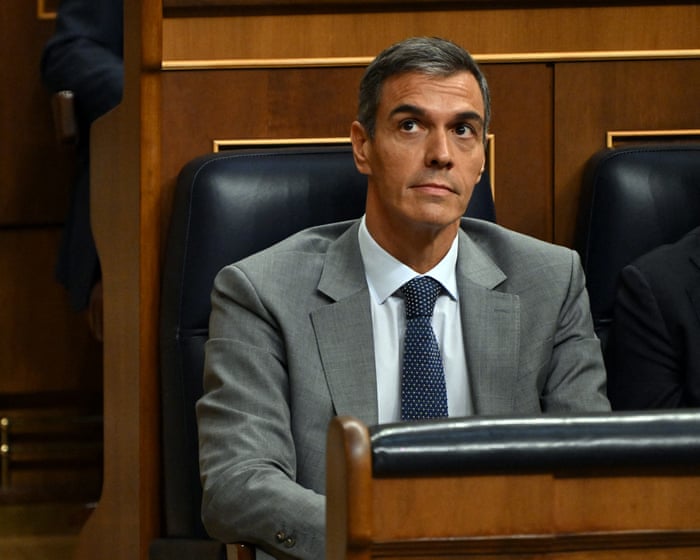
Spanish Prime Minister Pedro Sánchez announced on Monday that the country will hold snap general elections on 29 November. The decision follows parliament's rejection on Friday of two emergency measures proposed by his government to address the housing crisis — restrictions on evicting vulnerable tenants and automatic renewal of tenancy agreements.
The parliamentary vote sparked widespread anger, leading up to 500,000 protesters to take to the streets in Madrid and other Spanish cities on Saturday, demanding action on soaring rent prices and stronger tenant protections. Public outrage had already been building for a week following the case of an elderly woman who was forcibly evicted from her home.
The next general election had originally been scheduled for next year, and Sánchez had previously stated his intention to serve out his full four-year term. However, the parliamentary setbacks raised doubts about his government's ability to pass key legislation going forward.
In his address, Sánchez framed the upcoming vote as a decisive moment for whether Spain moves forward or regresses. He contrasted his government with the opposition, describing it as a far-right coalition offering no concrete proposals, intent on rolling back rights and freedoms gained over the past eight years.
The prime minister listed what he called his government's achievements, including Spain becoming the fastest-growing economy in the European Union, purchasing power rising three times faster than in France or Germany, and various social and energy reforms. He also referenced foreign policy matters, including continued support for Ukraine and work within the EU and the UN.
Sánchez called on citizens to mobilise and secure a broader progressive majority in parliament, stressing that the world is currently going through a complex era marked by heightened tensions, the climate emergency, and technological change, including the rise of artificial intelligence.