Experts share advice on preparing cows for dry-off
Irish dairy farmers have been given guidance on drying off cows before the next calving. Experts from Teagasc and Munster Bovine stress early planning, hygiene and milk recording.
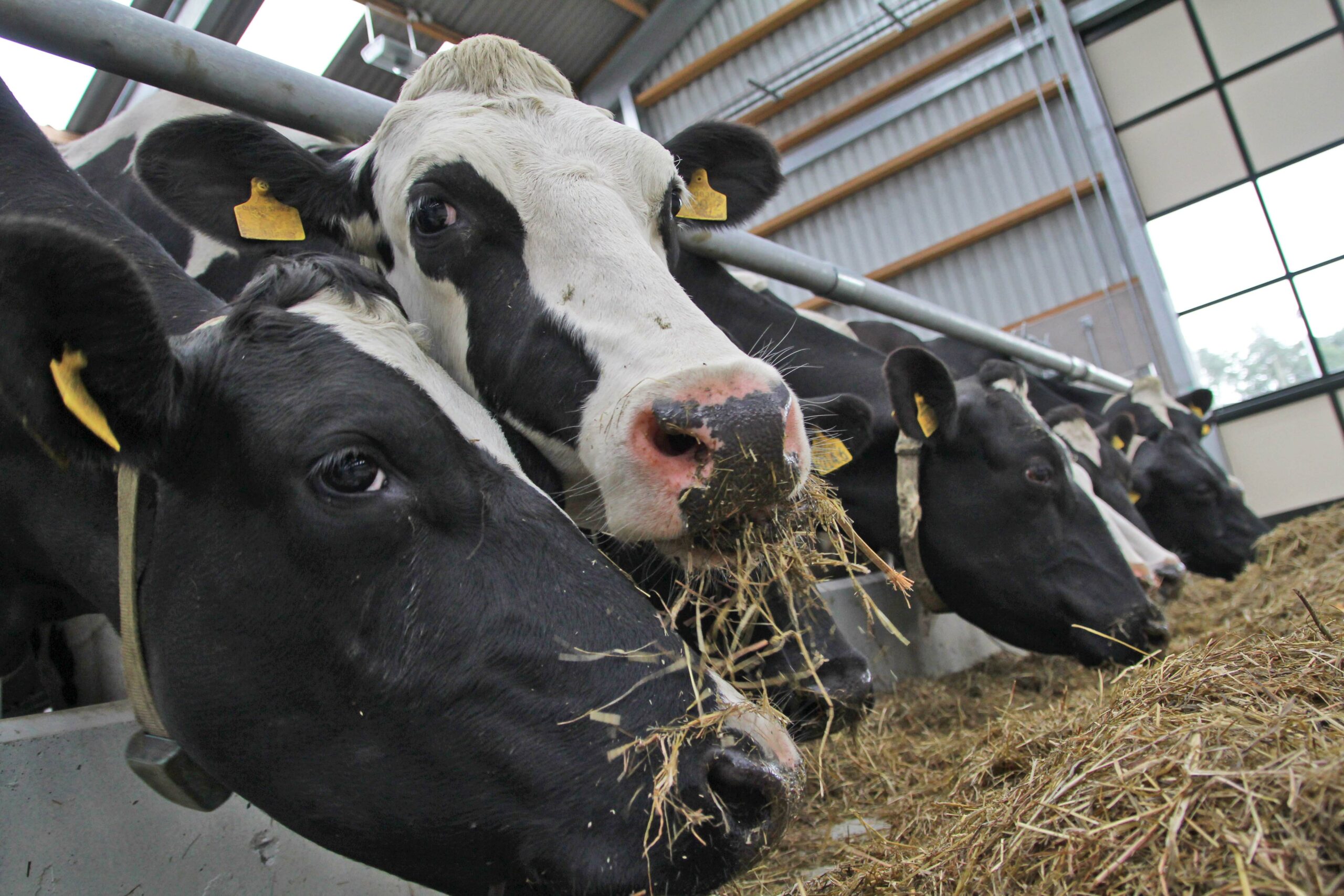
Dairy farmers in Ireland are being advised to prepare early for dry-off, the stage when cows stop being milked ahead of their next calving. Munster Bovine, a farm advisory group, recently held a webinar alongside a representative of Teagasc, the Irish agriculture research body, outlining key tips. Poor preparation can cause difficulties with selective dry cow therapy (SDCT) and lead to somatic cell count (SCC) problems in the following lactation.
How long the dry period should be
Most cows need at least six weeks dry, but farmers should aim for eight so animals can rebuild energy reserves and condition. Cows with a body condition score below 3.0 to 3.25, as well as first lactation heifers, may need up to 10 weeks. Without enough time, they are more likely to have a difficult calving and fall into negative energy balance afterwards, cutting production.
Milk recording and hygiene
Don Crowley of Teagasc highlighted the first milk recording of the year, which shows how the previous dry period went. Without recording, he said, farmers are effectively working blind when using SDCT, and the cost can exceed the €10–€17 per cow that recording costs. Earlier Teagasc studies found recorded herds had a gross margin about €39 higher.
Cows should be dried off at around 9 litres per day, which means stopping concentrate feeding and moving to once-a-day milking. Housing, yards, the parlour and the cows themselves should be thoroughly clean. After treatment, cows should stay in a clean, dry yard for at least 30 minutes while the teat seal sets.
Selective dry cow therapy
Persistently infected, recently infected and recently cured cows should all receive antibiotics and teat sealant. For healthy cows, the threshold depends on the farm: the higher the bulk tank SCC, the lower it should be. A farm with 200,000 cells/ml should set it at 40,000–60,000, while one at 80,000–100,000 cells/ml could go up to 100,000. If done properly, fewer than 10% of the herd should calve down infected next spring.