Latvian health agency urges parents not to delay children's HPV vaccination
Latvia's Disease Prevention and Control Centre is urging parents to use the last weeks of summer to vaccinate children against human papillomavirus, which can prevent several cancers. National vaccination coverage still lags behind other European countries.
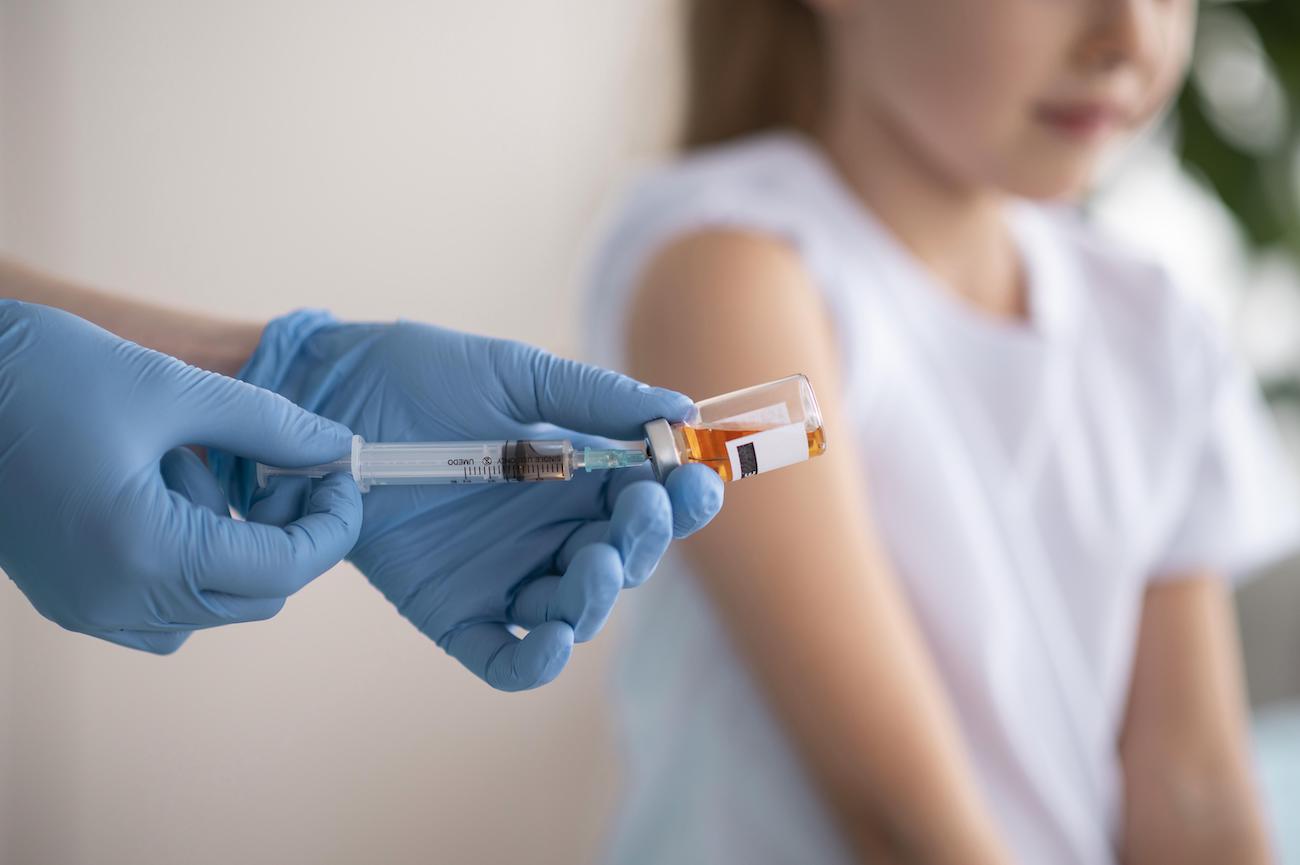
Latvia's Disease Prevention and Control Centre (SPKC) is calling on parents to use the remaining weeks of summer break to get their children vaccinated against human papillomavirus (HPV). The agency warns that once the school year begins, family schedules become busier and booking a vaccination appointment can become more difficult.
HPV is mostly transmitted through sexual contact, and nearly all sexually active people become infected at some point in their lives, usually without symptoms. While most infections clear on their own, certain high-risk strains can cause cervical, anal, penile, oral and throat cancers, as well as genital warts.
Proven effectiveness
SPKC notes that more than 15 years of data from across Europe confirm the vaccine's effectiveness in preventing cervical cancer. Large studies in Sweden, Denmark and the Netherlands recorded a significant drop in HPV infections and precancerous changes. A long-term Swedish study found that women vaccinated by age 17 had an 88% lower rate of cervical cancer than unvaccinated women. Protection is strongest when the vaccine is given before exposure to the virus, which is why Latvia's national schedule recommends vaccination at age 12, while state-funded doses remain available up to age 25.
Coverage in Latvia still low
State-funded HPV vaccination was introduced for girls in 2010 and for boys in 2022. As of August 12, 54.7% of children born in 2012–2013 had received a first dose and 42.8% a second. Among this year's 12-year-olds, average first-dose coverage stood at just 26.9%, and second-dose coverage at 16.5%. Coverage was highest in the Jēkabpils, Krāslava, Valmiera and Saldus municipalities. In 2025, average first-dose coverage among 12-year-olds nationwide was 43.4%. The World Health Organization's target of 90% coverage for girls by age 15 has already been reached in Iceland, Portugal and Norway. SPKC reminds that vaccinated women should still take part in regular cervical cancer screening.