Streips: European and Latvian Politicians Have No Reason to Visit Russia
Latvijas Avīze columnist Kārlis Streips comments on a Delfi report about members of the European Parliament who have visited Russia, arguing that politicians have no reason to travel there.
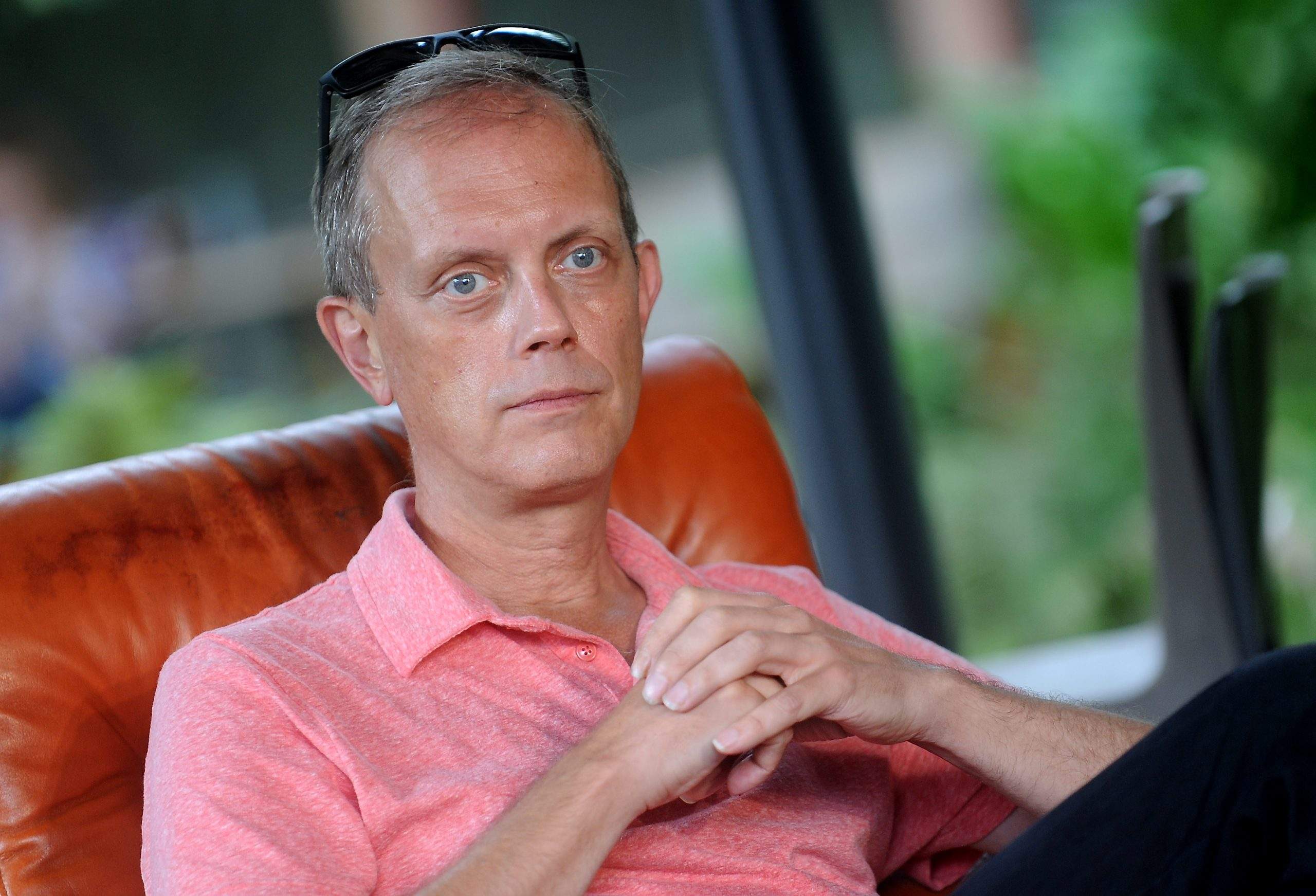
Kārlis Streips, a columnist for the Latvian daily Latvijas Avīze, published an opinion piece on 16 November responding to a Delfi article about members of the European Parliament (EP) who keep travelling to Russia and meeting its representatives. He concludes that neither Latvian nor other countries' politicians have any reason for such trips, given Russia's war in Ukraine. The text is the author's subjective opinion and may differ from the editorial board's position.
What the investigation says
The Delfi article draws on data from the investigative outlet The Insider. According to it, since the annexation of Crimea in 2014, one in ten current MEPs has visited Russia, and at least 24 of them can be described as pro-Kremlin. In October the EP adopted a resolution declaring the newly elected Russian State Duma illegitimate; 41 MEPs voted against it.
The list names MEPs from Slovakia, France, Germany, Italy, Poland, Bulgaria, Greece and Cyprus. Among them is Ľuboš Blaha, who toured the State Duma building, and France's Thierry Mariani, who is frequently quoted by Russian state news agencies. Three MEPs from the German party Alternative for Germany also travelled to Russia. The Insider reports that deputies from the party received funding from Russia's Federal Security Service.
Baltic representatives
Lithuanian MEP Petras Gražulis had his immunity lifted by the EP in 2025, as he is accused of facilitating bribery of Russian officials. Estonian MEP Jana Toma has not concealed her visits to Russia, though she has also criticised Putin and the invasion of Ukraine.
Latvian examples
Streips cites former Riga mayor Nils Ušakovs, who in his assessment built very close ties with Moscow. The author also mentions the parties Harmony, "For Stability!" and the newly elected "Sovereign Power/Jaunlatvieši" in the Saeima, as well as Ainars Šlesers, about whom Re:Baltica has reported that his Russian-language videos contained narratives typical of Russian propaganda.
Historically, Streips recalls that former President Vaira Vīķe-Freiberga agreed to attend Victory Day celebrations, while her successor Valdis Zatlers watched the parade in Moscow and met the city's mayor.