Suno introduces watermarking for AI-generated music as legal pressures mount
Facing copyright lawsuits and regulatory scrutiny, AI music company Suno is adding watermarks and download limits in a bid to present itself as a supportive tool for artists. Whether these steps will resolve its legal troubles remains unclear.
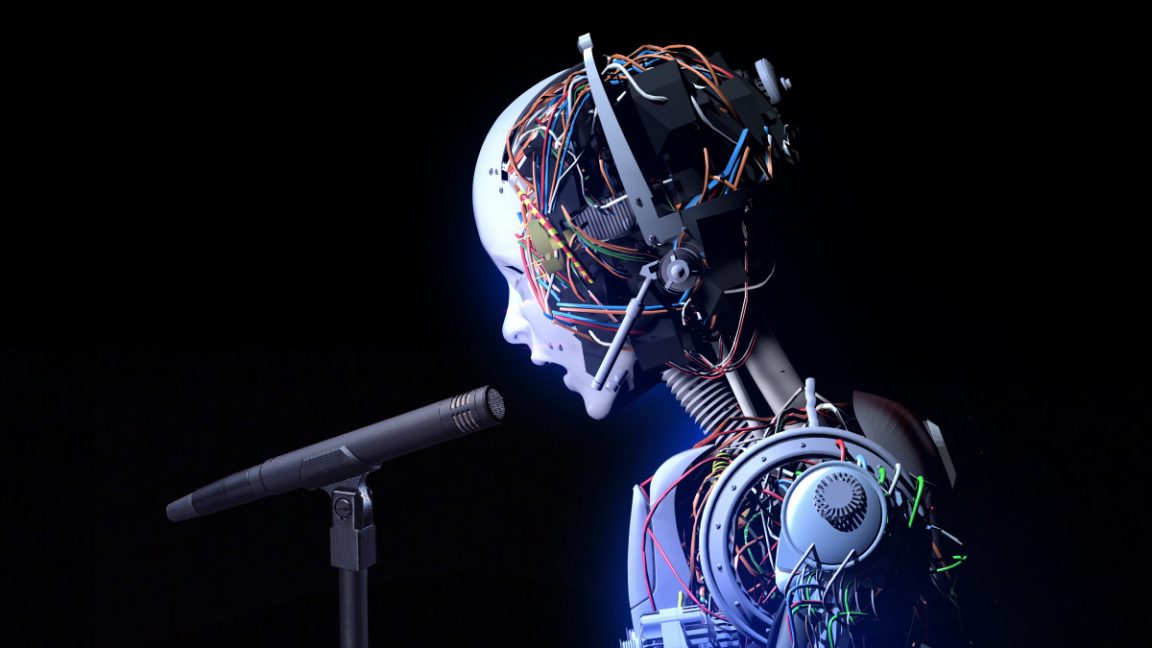
AI-generated music company Suno is attempting to reposition itself as a legitimate creative tool amid multiple legal challenges. The company now plans to watermark AI-generated tracks and restrict downloads, hoping to curb what it describes as large-scale abuse.
Suno is currently facing copyright infringement lawsuits from Universal and Sony in the United States. A German court has also ruled that the company violated the country's music licensing laws. Both legal actions could result in substantial fines.
Additionally, a hack discovered in late 2025 revealed that Suno had scraped content from YouTube, Deezer, and other platforms to train its models. The company did not publicly disclose the breach, which may have exposed personal information belonging to millions of users. Suno is now being sued in Massachusetts over the incident.
In a blog post, Suno's leadership emphasized that AI cannot replace human experience and emotion in music. The company argues it supports the artistic process and already prevents users from prompting specific artists or songs. Suno also works with Musixmatch to block copyrighted material from being uploaded as a base for new compositions, and it has updated its usage policy to strengthen these restrictions.
Last year, Suno agreed to limit downloads as part of a settlement with Warner Music Group. The company says most users will not be affected by the new limits, but the combination of download restrictions and watermarking is intended to reduce abuse. It remains uncertain whether these measures will be enough to resolve Suno's legal problems.