Thailand and Cambodia could unlock massive oil and gas reserves through UN mediation
Cambodia and Thailand have initiated UN-backed conciliation talks under the Law of the Sea Convention (UNCLOS) to resolve a decades-long maritime boundary dispute blocking access to oil and gas reserves estimated at hundreds of billions of dollars.
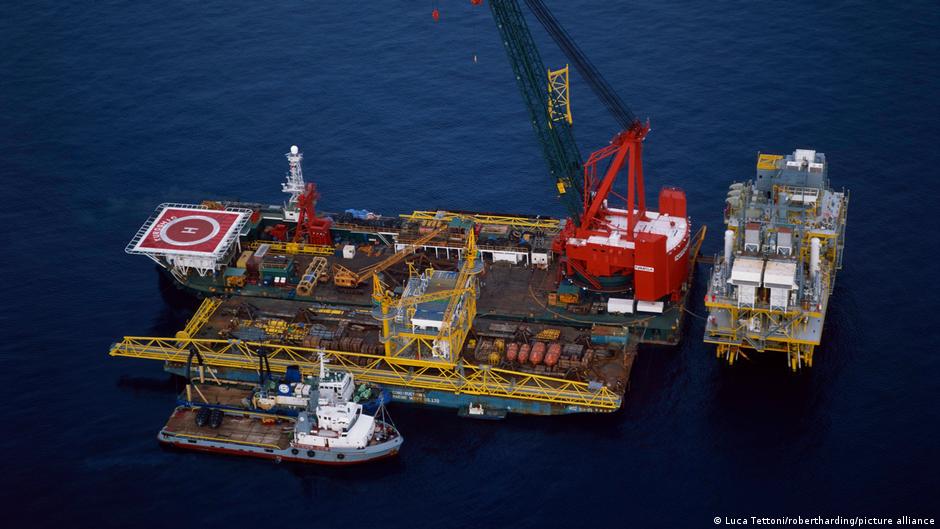
Cambodia and Thailand have embarked on a conciliation process under the United Nations Convention on the Law of the Sea (UNCLOS) in an effort to settle a long-standing maritime boundary dispute that has prevented the exploitation of significant oil and gas reserves.
Earlier this month, Phnom Penh filed a notice for "compulsory consultation" under UNCLOS, inviting Thailand to join UN-backed conciliation talks over 26,000 square kilometers of overlapping claims in the Gulf of Thailand. This move came after Thailand withdrew from a 2001 memorandum of understanding with Cambodia that had committed the two countries to jointly develop the oil and gas fields.
According to estimates cited by both governments, the disputed maritime area may hold up to $300 billion worth of untapped oil and gas reserves, including 11 trillion cubic feet of natural gas. Thailand's oil production has been declining in recent years, while Cambodia is entirely dependent on imports for its oil and gas needs.
Under the conciliation process, each country has selected two independent experts to form an ad hoc conciliation commission. The commission will investigate the facts and legal positions of both states and produce a set of non-binding recommendations, which will also be sent to the UN Secretary-General. The experts must choose a chairperson by late July, after which the commission has 12 months to issue a report.
Since UNCLOS took effect in 1994, its conciliation clause has been invoked only once before — by East Timor against Australia in 2016. Within two years, they reached a deal.
However, relations between Cambodia and Thailand remain strained following deadly border clashes last year that left dozens dead. Although there have been no exchanges of fire for months, mutual mistrust runs deep. Analysts say public sentiment and nationalism could be major obstacles to reaching an agreement.


/nginx/o/2022/01/21/14322950t1h8c8d.jpg)