Tallinn allows feeding small birds in winter, but experts doubt it is necessary
From December, Tallinn, the capital of Estonia, will ban feeding city birds and animals, with a winter exception for small passerine birds. Specialists nevertheless advise against even that.
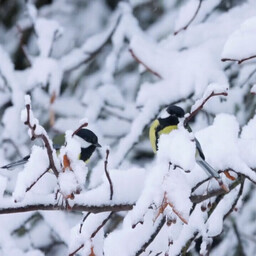
From December, the Estonian capital Tallinn will introduce a ban on feeding urban birds and animals. As an exception, feeding passerine birds will be permitted in winter, but specialists recommend refraining from that as well. The information comes from the Estonian public broadcaster ETV's programme "Aktuaalne kaamera".
People most often feed birds near shopping centres and bus stops. Rats and squirrels are also a problem.
Feeding spots attract pigeons, crows and gulls
Meelis Uustal, an ornithologist and head of the environmental protection unit at the Tallinn Environment and Public Utilities Department, says that from time to time people arrive with a small bag and scatter its contents under bushes, where pigeons, crows and gulls immediately gather. In his words, in many places across the city this is quite a serious problem.
One of these human-made feeding spots is near the Baltic Station, and the city authorities take a very dim view of it. The people who feed the birds hold a different opinion. They declined to comment to the programme, but maintain that city birds need help in winter.
Risk of disease spreading
Specialists doubt whether even small birds, such as tits and goldfinches, should be fed at all. Uustal notes that diseases spread very quickly among them. About 10–15 years ago, one of the largest epidemics to hit greenfinches and chaffinches in Northern Europe was partly or even entirely linked to, or caused by, bird feeding.
Penalties for violators
Violators will first receive verbal and written warnings. If that does not help, those who feed birds will face a monetary fine.