Service dog bites toddler visiting inmate at Tallinn Prison
Estonia's Prison Service is tightening visitor screening rules after a service dog bit a toddler at Tallinn Prison in August, during a family visit to an inmate.
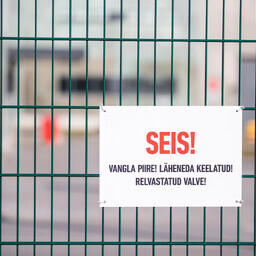
Estonia's Prison Service is tightening its visitor screening procedures following an incident at Tallinn Prison, on the eastern outskirts of the capital. In August, a service dog bit a toddler who had been brought to the prison as part of a family visit.
The case has reopened debate over the use of sniffer dogs when screening inmates' relatives. Both Estonia's chancellor of justice and a UN committee have raised the issue before. In a report on Estonia two years ago, the UN Committee on the Rights of the Child said prisons must respect the rights and needs of inmates' children.
What has changed
The dog involved is no longer used in visitor checks, and the officer who was its handler at the time has left the prison service.
Triin Salomets, an adviser in the service's prison work organization division, stressed that none of its dogs are trained to behave aggressively. She said sniffer dogs are still needed because prohibited items are smuggled into prisons; the animals are trained to search for banned substances and do so daily.
On the specific incident, Salomets acknowledged that several unfortunate circumstances coincided, including the handler screening visitors alone. Normally a handler is accompanied by a colleague, she said, but that day was an exception.
Visits involving children
Salomets said prisons have already introduced measures to make visits with minors easier, including play corners and outdoor areas where visitors can walk with a child. The chancellor of justice has recommended involving a child welfare specialist, such as a social worker or psychologist, in visits, but no such specialists are currently available.
Dogs in the prison service
Estonia's three prisons, in Tallinn, Tartu and Jõhvi (Viru Prison), have nine dogs in total, three at each. Labradors make up a growing share, alongside Belgian and German shepherds. Training takes two years, and puppies are trained at the Estonian Academy of Security Sciences.