Tallinn Music and Ballet School Continues Talks with Ministry on 2027 Budget
The Tallinn School of Music and Ballet (MUBA) in Estonia ran a large deficit after a new funding model was introduced, and it is still negotiating next year's budget with the Ministry of Education and Research. The ministry defends the model and expects the school's budget to balance next year.
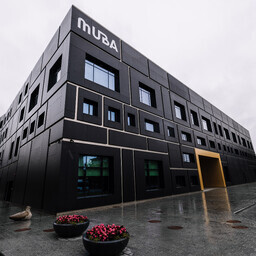
The Tallinn School of Music and Ballet (MUBA) in Estonia is continuing talks with the Ministry of Education and Research on its 2027 budget. This year the school faced a large deficit after the ministry introduced a new funding model for state schools. MUBA argues that the model does not adequately reflect the specific nature of its work.
Cause of the deficit
In September, the school asked the ministry for an additional €380,000 for this year, to cover the shortfall and finish the school year without interrupting classes. It named the new model as the main reason, saying it cut MUBA's budget by about 11%. The problem was compounded by an increase in the minimum teacher salary, which had to be paid from operating expenses because the ministry provided no extra funds for it.
MUBA director Piret Rips confirmed that the ministry has granted the extra funding requested for the current year. She said, however, that the new model does not sufficiently take into account the particulars of teaching at MUBA and the costs that come with them. According to her, the school is negotiating a change to the model so that it better fits the school's profile and lets it offer broad general, music and dance education.
The ministry's position
Alo Savi, senior adviser in the ministry's state schools department, rejected the claim that the model is flawed at its core. He said its aim is to direct more resources to post-basic and vocational education. Savi said any school can claim to be unique: "Every school can say it needs fundamental and important exceptions."
He noted that because the model can sharply cut some schools' budgets, a two-year transition period covers 2026–2027. During it, schools can request extra funding if their budget falls by more than 5%. In Savi's assessment, MUBA has already taken steps to balance its books by cutting administrative staff and revising curricula, so its budget should come into balance next year under the new model too.
The ministry has also set up a special commission to assess the effects of the model. If the commission concludes that a particular school genuinely needs changes, the minister of education and research may approve them on the commission's proposal.