Tallinn Zoo's oldest resident is a dwarf crocodile named Zhabka
Tallinn Zoo in Estonia's capital is home to several long-lived animals, the oldest being the dwarf crocodile Zhabka, who is over 52. A zoo specialist also spoke about a Przewalski's horse, an African elephant, a pelican and a goat.
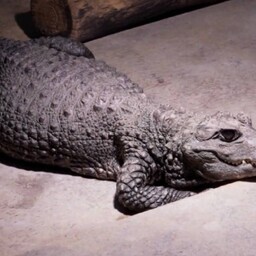
Tallinn Zoo, the zoological garden in Estonia's capital, houses a number of animals that have lived unusually long lives. Its oldest resident is a dwarf (blunt-nosed) crocodile called Zhabka, who is more than 52 years old. Zoo lead specialist Inari Leiman spoke about the animals' longevity, according to Estonia's public broadcaster ERR.
Crocodile and elephant
Zhabka arrived at the zoo in 1974 from an organisation called Zooobyedineniye, and nothing more is reliably known about her past. These African crocodiles typically live 50–75 years. The oldest known relative is a crocodile named Papa at a Canadian zoo, aged 59.
The African elephant Karl is about 44. He came to the zoo in 1985, together with another elephant, when both were very small. Such elephants usually live 40–60 years, with records of 70–80. Leiman stressed that an elephant cannot be handled by force; it has to agree.
Horse, pelican and goat
The Przewalski's horse Podkova is 36, although the species normally lives up to 30 years, or 35 at best. She was born at Mykolaiv Zoo and came to Tallinn at about a year old. She is the oldest horse of her kind at Tallinn Zoo and one of the oldest in the world; the record belongs to a 38-year-old horse at a reserve in Ukraine.
The Dalmatian pelican Pasha is 37, whereas pelicans usually live 25–30 years. He was brought to the zoo at six months old, apparently from Krasnodar. A pelican that lived to 54 is known.
The Cameroon goat Tetra will soon turn 15; these goats usually live about 10 years, 15 at most. Her mother and aunt also lived to 14.
Animals in zoos generally live longer than in the wild, as they have food and veterinary care and do not have to fight for survival. Good care alone is not enough, however: without new experiences, residents can become sluggish, so keepers try to vary their routine.

