Crowds gather as six-day funeral for former Iranian supreme leader begins in Tehran
Thousands of mourners have filled Tehran's Grand Mosalla mosque as Iran begins a six-day funeral for Ali Khamenei, who was killed in a US-Israeli airstrike in February, marking a massive display of mourning and defiance.
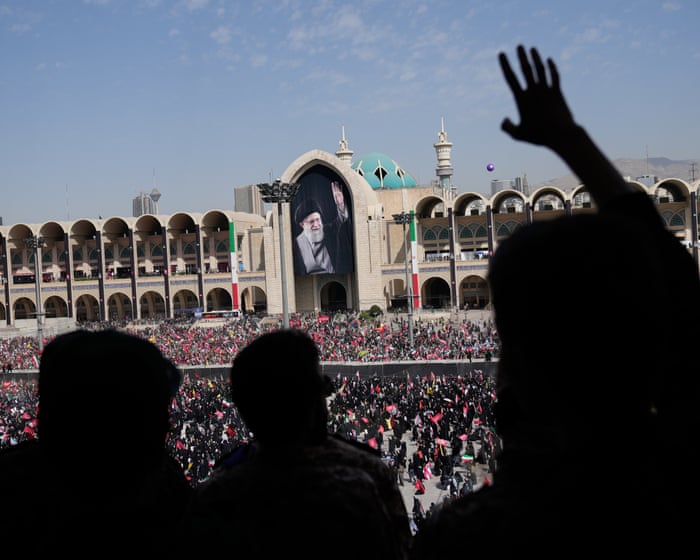
The funeral for former Iranian Supreme Leader Ali Khamenei began early Saturday morning at the Grand Mosalla mosque in central Tehran, with thousands of mourners who had waited overnight streaming through the gates. By 5:30 a.m., the streets around the mosque were packed with Iranians, some traveling for hours, many carrying flags.
Khamenei was killed in February in the first airstrike of the war launched by the United States and Israel. Israeli jets assassinated him, and the raid also killed several family members, including his 14-month-old granddaughter. The stage holding Khamenei's coffin also displayed images of other relatives killed in the strike.
By 8 a.m., over 10,000 people were inside the mosque, segregated with men on the right and women on the left. The six-day funeral is designed to convey political and religious messages of resistance, and up to 30 million people may attend. At the request of Iraqi politicians, Khamenei's body will also be carried through the Iraqi Shia cities of Karbala and Najaf.
Mourners wept uncontrollably as religious music played. Officials urged people not to stay too long to prevent dangerous crushes. Banners across the streets proclaimed Khamenei's martyrdom. Yellow Hezbollah flags and Iranian flags were visible. Hundreds of food stations (mokebs) offered free boiled eggs, soup, lemonade, tea, and water.
The new supreme leader, Mojtaba Khamenei, was severely injured in the same airstrike. The extent of his injuries is unknown, and he has not been seen in public since being selected by the Assembly of Experts in March. Israel recently threatened to kill him again.
British and American journalists were officially advised not to speak to mourners, but many were willing to talk. One cleric compared Donald Trump to a toilet brush and Khamenei to clean spring water.
The crowd represented a religious segment of Iranian society: all women wore the chador, although more than half of women in Tehran do not wear the hijab in daily life. The government claims the attack has reunified a nation divided by Khamenei's conservative 37-year rule.