Your phone's IP68 rating might not mean what you think – here's why
Despite many smartphones boasting an IP68 rating, which theoretically permits submersion in water, the rating can be misleading because manufacturers define specific conditions and tests are performed in ideal lab settings far from real-world use.
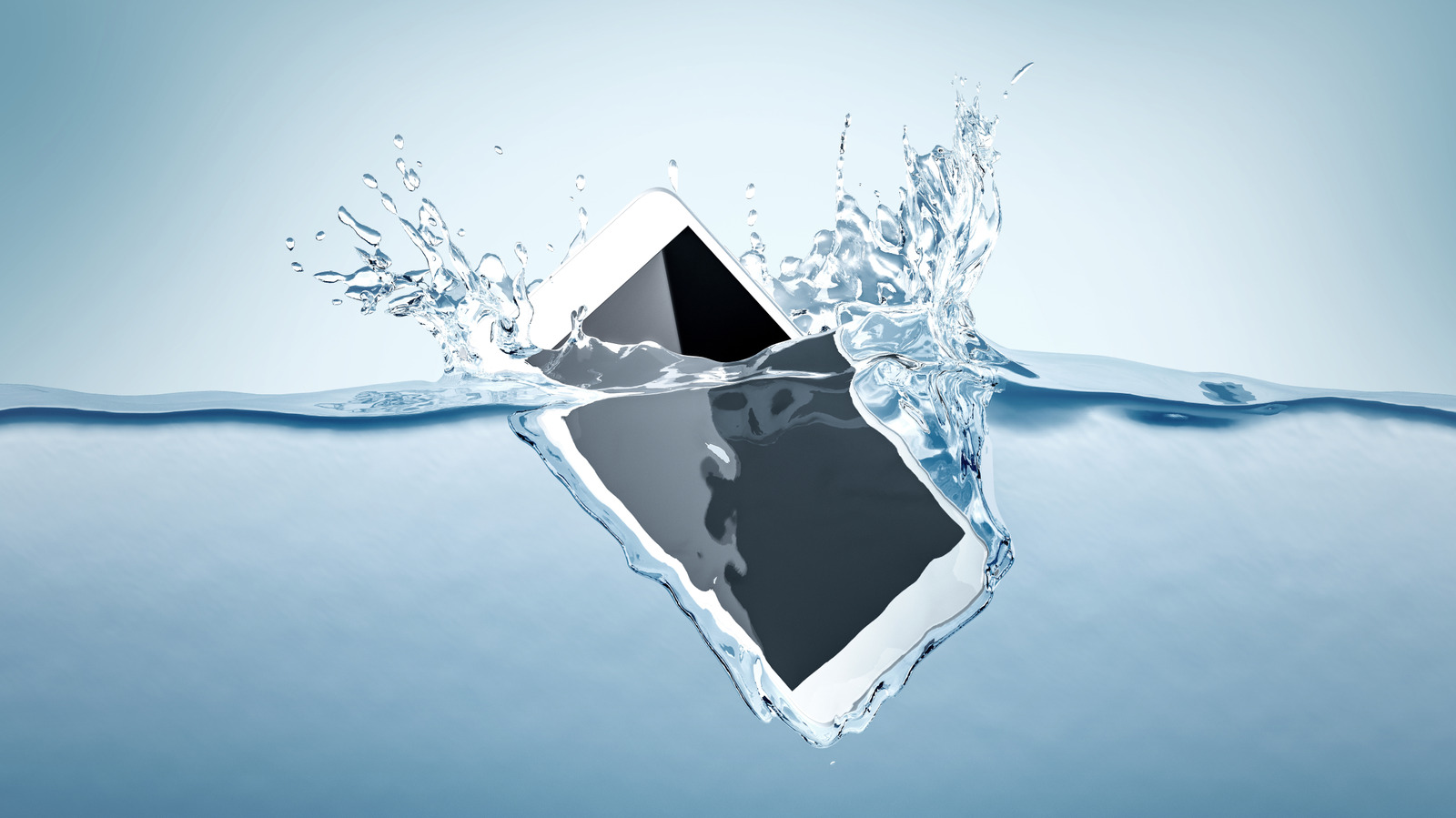
Summer is here, and some may hope their water-resistant phone can handle a dip in the pool. However, the reality is more nuanced.
The Ingress Protection (IP) rating system, created by the International Electrotechnical Commission, consists of two digits. The first indicates protection against solid particles (dust), and the second against liquids. For example, IP68 means complete dust protection (6) and the ability to withstand submersion (8). But IPX8 does not specify exact depth or duration — manufacturers decide those parameters. For instance, newer iPhones can handle up to 6 meters for 30 minutes, while older models manage only 2 to 4 meters, yet both carry an IP68 label.
More crucially, testing conditions are far from real life. Labs use clean, still water, brand-new phones, and gentle submersion. In practice, water may be hot, salty, muddy, or chlorinated; the phone might have invisible micro-damage from drops; and movement can affect sealing. Additionally, most warranties exclude water damage — even rugged devices like OnePlus void their warranty for liquid damage.
Even an IP69 rating doesn't solve the problem. IP69-rated phones resist high-pressure, high-temperature water jets but offer no additional submersion protection. To keep your smartphone safe, it's best to avoid water altogether, regardless of its IP rating.