Polish court rejects new neighbours' 60,000 zloty claim against pig farmer
A district court in Tczew, Poland, dismissed a lawsuit by the buyers of a house next to a pig farm. They demanded 60,000 zloty, removal of the pigs and a four-metre screen.
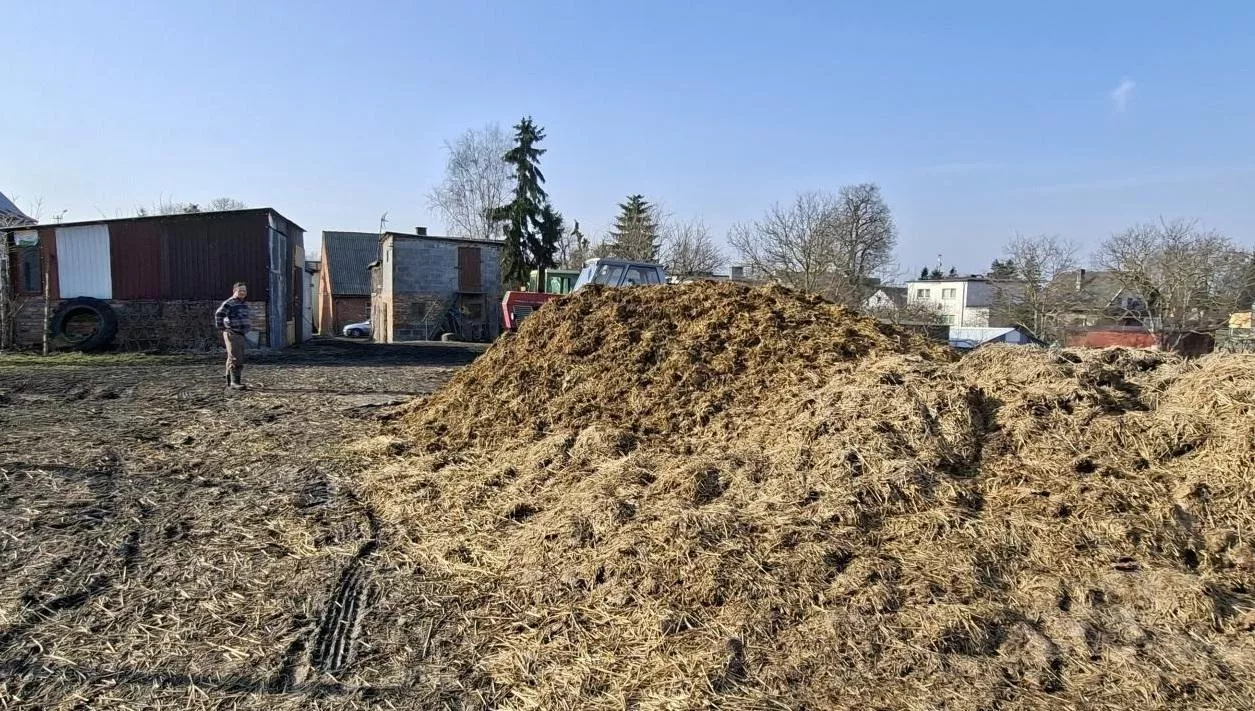
A court in the Tczew county of Pomeranian Voivodeship, Poland, has dismissed a civil claim brought by new neighbours against a pig farmer. The case matters for rural residents because the court indicated that people buying property next to a farm must expect typical countryside conditions.
The farmer, named in the source only as Janusz, has raised pigs for more than 20 years. He keeps three sows and buys piglets for fattening, holding about 50 animals in total. His land area and buildings do not allow more, and several homes stand directly beside the farm. He had always got on well with neighbours.
What changed in 2023
In 2023 the neighbour next door died, and her heirs put the plot and house up for sale. It was bought by a man originally from the village who had lived in a city for many years. He renovated the house and moved in with his partner. They then began complaining about the smell from the farm buildings, and reports were sent to various institutions alleging that pig production broke the rules. Inspections found no significant irregularities.
The plaintiffs asked the court to remove the pigs from a building right on the boundary, to require a four-metre-high screen, to ban manure storage along the boundary and to award 60,000 zloty in compensation.
The court's reasoning
The District Court in Tczew rejected the claim and explained its ruling orally. According to Grzegorz Pawłowski, the lawyer representing the farmer, the court noted that the plaintiffs knew they were buying land next to a farm that had kept pigs for years and were aware that manure is produced. The odour was not excessive, as production is small.
The judge visited the farm. According to the farmer, he noted a characteristic smell, but it was barely noticeable while walking around the yard and absent inside the house. The court also considered that the farmer had not significantly expanded production since the plaintiffs bought their property. It is not yet known whether the plaintiffs will appeal.