Retailers urge preparing for shop payment terminals failing in a power outage
Henriks Danusēvičs, president of the Latvian Traders Association, says the state must develop solutions to keep shops running if electricity and communications fail. The association proposes using shops as crisis support points.
Henriks Danusēvičs, president of the Latvian Traders Association, believes Latvia should plan ahead for how to keep shops open and let residents buy essentials during crises, such as a prolonged loss of electricity and communications. He spoke on the TV24 programme “Uz līnijas”.
Payments are mostly cashless
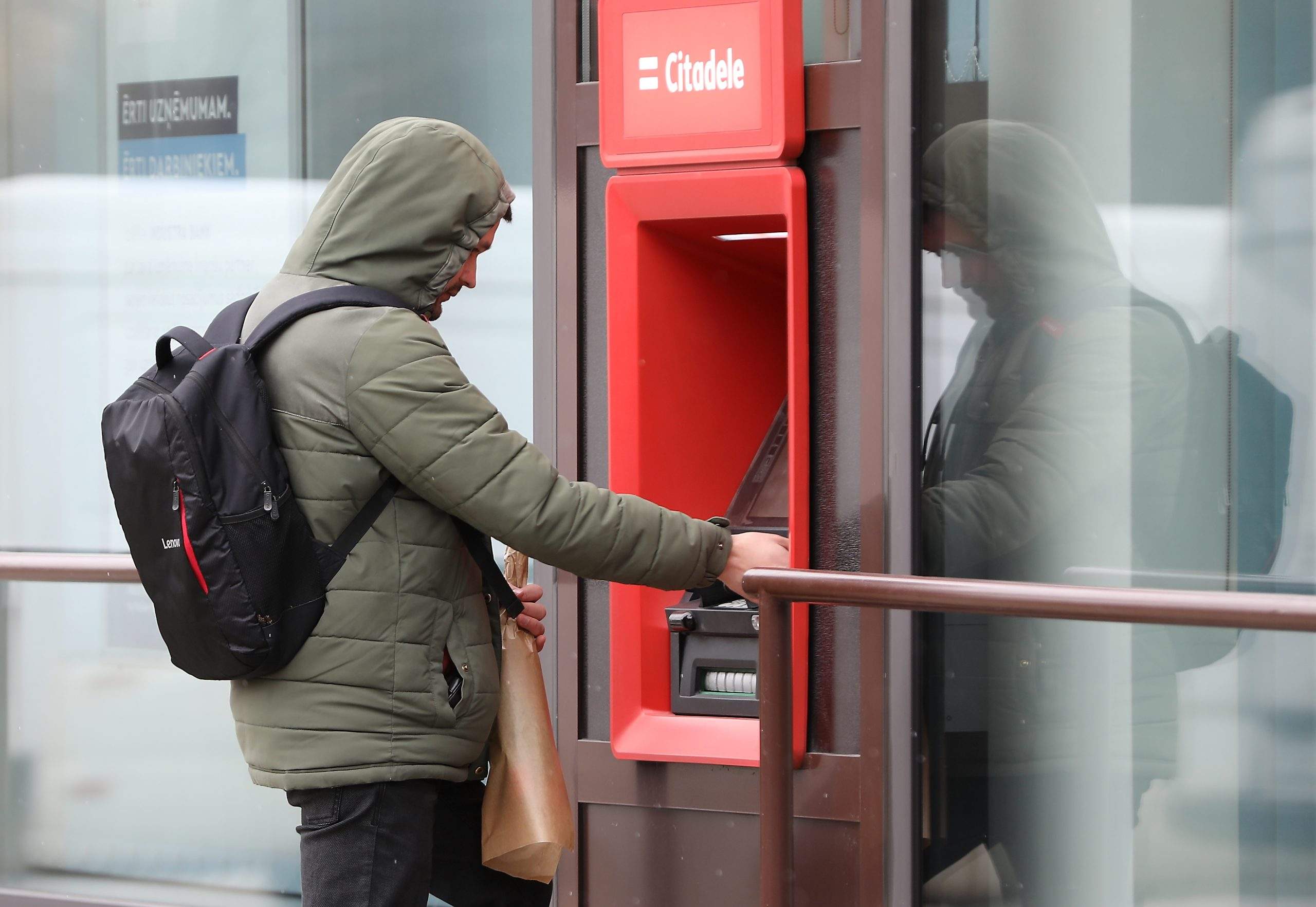
The Bank of Latvia reported in late September that the share of cashless payments in the country continues to grow. In August 2026, 81% of payments were made by card or another cashless method, while 19% were made in cash. Because most customers pay by card, broken payment terminals can leave people unable to buy even everyday goods despite having money in their bank accounts. According to the programme, the storm in August was a reminder that disrupted power and communications can also affect shop operations.
Proposal: shops as crisis support points
Danusēvičs thinks the state has so far paid too little attention to keeping businesses running in crises. In his view, advice to residents alone is not enough; practical solutions are also needed. The Traders Association has suggested using shops as crisis support points, with generators providing electricity, phone charging, and the ability to pay even when the usual payment systems are down.
He said the Bank of Latvia has reportedly developed a similar solution, but retailers still do not know how far that work has progressed or whether the programme will be available to all store chains.
Call to keep some cash
Danusēvičs stressed that residents should not give up cash entirely. In a crisis, access to funds held in bank accounts may be limited. “You can never be sure that when something happens, you will be able to reach the money in your account,” Danusēvičs said.
He also mentioned discussions about the European Commission’s plans to encourage the use of residents’ deposits for investment in European industry. He said such ideas raise concerns about how people’s savings might be used in future, and suggested the discussions may also be linked to concerns about the introduction of a digital euro.