Trump's pre-midterm campaign tactics grow increasingly unusual and costly
US President Donald Trump has backed away from funding a series of promotional ads with taxpayer money after criticism. Republican support is slipping ahead of the November 3 midterms, and some candidates are avoiding appearances with him.
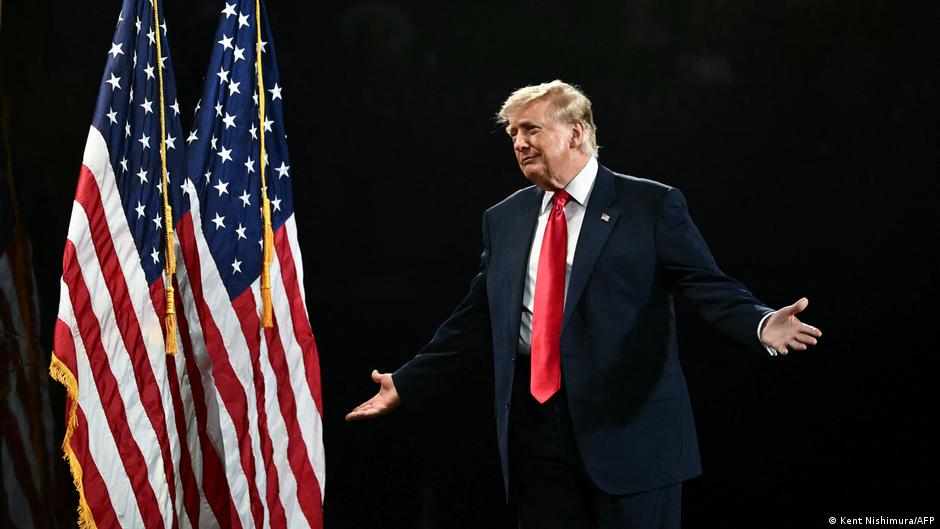
US President Donald Trump announced on Monday that advertisements aired in September promoting him and his administration will no longer be paid for with public funds. On Truth Social, he said the radical Left was upset that he was using government money for ads he sees as positive promotion of the country, and claimed the practice was fairly standard. Future ads, he said, would be financed through donations.
The controversial ads
The spots ran in September between popular programming, including Saturday Night Live, and football games, with a label saying they were paid for by the US government. They included scenes such as the capture of Venezuelan President Nicolas Maduro by US troops, but mostly featured Trump himself alongside combative messages about expelling warmongers and throwing off the sick political class.
Political opponents and several NGOs sharply criticised the campaign. CBS reported that, according to contracting records, the Department of Homeland Security paid an agency $20 million for a national media campaign. The consumer advocacy group Public Citizen filed a complaint with the Federal Communications Commission, arguing that federal law bars appropriated funds from being used for propaganda or partisan political advertising. Patrick Malone, a professor at American University, said the timing was the core problem, since the ads appeared weeks before the elections.
Republicans under pressure
On November 3, all House seats and about a third of Senate seats will be contested, along with some governorships. Republicans currently hold 53 of 100 Senate seats and 219 of 435 House seats. A Reuters/Ipsos poll found their lead among voters aged 50 and older had shrunk to two points, while Democrats led by 18 points among those under 50. Only 32% of Americans approve of Trump's presidency.
That may explain why some Republican candidates are reluctant to appear with him. Senators Susan Collins and Dan Sullivan were among those who skipped his party event in September. Trump has also promised every eligible voter $5,000 if Republicans keep their congressional majorities, a pledge that could cost more than $1.2 trillion. Malone considers it very unlikely, since Congress would have to authorise the money.