Trump reinstates naval blockade of Iranian ports
US President Donald Trump has announced the reinstatement of a naval blockade on Iranian ports and a 20% fee on all cargo transiting the Strait of Hormuz. Iran responded by vowing to remain the strait's guardian, while the IMO rejected the fee as lacking legal basis.
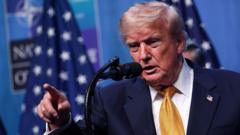
US President Donald Trump announced that the US is reinstating a naval blockade of Iranian ports and imposing a 20% charge on all cargo shipped through the Strait of Hormuz. In a post on Truth Social, Trump said the blockade would take effect at 4:00 PM Eastern Time (20:00 GMT) on Tuesday, and that the strait would remain open to all countries except Iran. He declared the US would be known as "THE GUARDIAN OF THE HORMUZ STRAIT" and demanded reimbursement for providing security. Trump earlier told Fox News that the US would "probably run" the strait, claiming Iran "broke" a previous deal.
Iranian Foreign Minister Abbas Araghchi responded on X, agreeing that whoever provides safe passage should be compensated, but insisting Iran has always been and will remain the guardian of the strait. He called the 20% fee too high and promised to be fair. Meanwhile, a spokesperson for the International Maritime Organization (IMO) told Reuters that the IMO firmly opposes charging fees for passage through straits used for international navigation, stating there is no legal basis for such tolls.
Before Trump's announcement, Iran's top military headquarters warned it would not allow US interference in managing the strait, and that any cooperation with the US would be considered an act of war. United Nations rules allow countries to control territorial seas up to 12 nautical miles from their coastline. At its narrowest point, the Strait of Hormuz lies entirely within Iranian and Omani territorial waters.
Iran effectively shut down the strait after US and Israeli strikes on February 28, retaliating with missiles and drones. The US first imposed a naval blockade in April, lifting it in June as part of a memorandum of understanding to end the conflict. Trump notified Congress last Friday of a resumption of military action in Iran starting July 7.
Analysts note that Trump's announcement could face domestic political complications, as many US allies may balk at paying the 20% fee, and oil prices are rising again. Some lawmakers, including Republicans, have questioned what the US gained from the ceasefire.

