Trump reimposes blockade on Iran, demands 20% Hormuz shipping fee
U.S. President Donald Trump announced the reinstatement of a naval blockade on Iranian ports and a 20% fee on all cargo ships transiting the Strait of Hormuz, prompting Iran to warn against interference and launch new strikes on Gulf states.
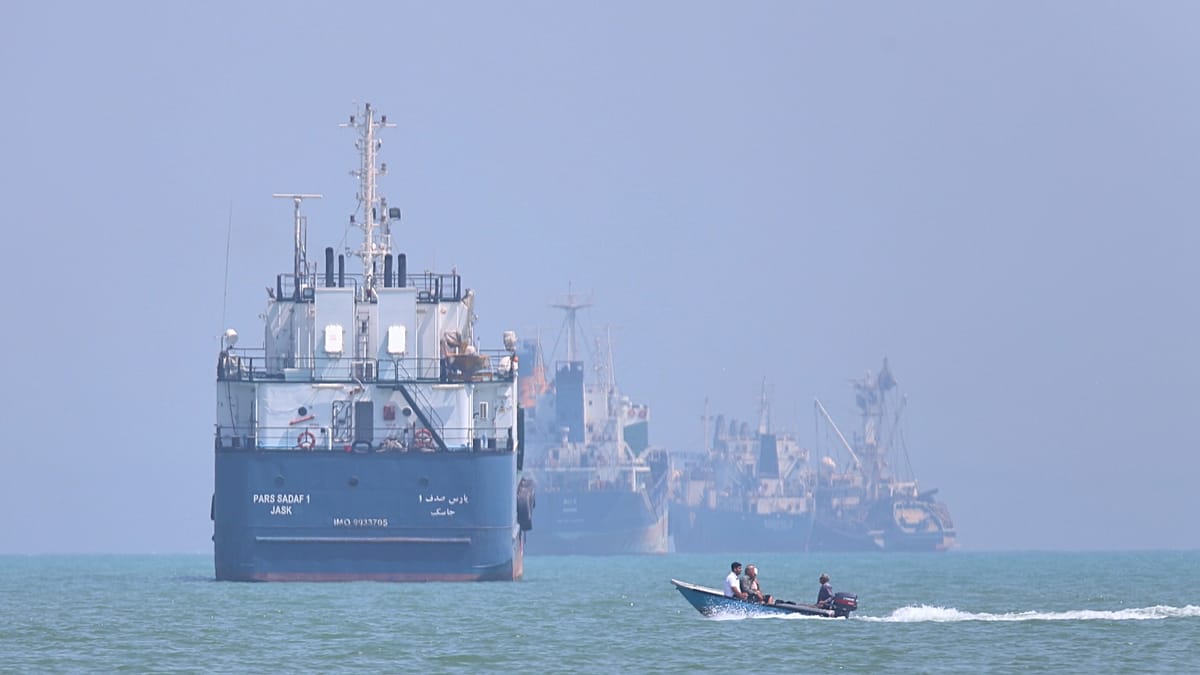
U.S. President Donald Trump announced on Monday the reinstatement of a naval blockade on Iranian ports, coupled with a demand for a 20% fee on all cargo ships passing through the Strait of Hormuz. The declaration came amid renewed hostilities between the two nations following a ceasefire in April that has since unraveled. Trump stated on Truth Social that the U.S. would act as the "Guardian of the Hormuz Strait" and charge the fee to cover security costs, while blockading only Iranian ports. In response, Iran's military command asserted it would not permit U.S. interference in managing the waterway, warning neighboring Gulf states against cooperating with Washington, which it labeled an act of war.
The competing claims coincide with a significant escalation in military strikes. The U.S. military reported hitting dozens of targets, while Iran's Islamic Revolutionary Guard Corps (IRGC) announced attacks on U.S. military targets and bases in Bahrain, Jordan, and Kuwait. Air raid alerts were triggered in Bahrain, and Kuwait's army intercepted hostile aerial objects. Jordan reported intercepting four Iranian missiles. Bahrain's military condemned Iran's "heinous attacks" on civilians. Since the resumption of hostilities earlier this week, at least 25 people have been killed in Iran, according to official announcements.
The framework agreement reached in June, which had lifted a previous U.S. blockade and formed the basis for negotiations, is now in crisis, according to Iran's foreign ministry spokesman Esmaeil Baqaei. He warned that Iran would disregard its obligations if the U.S. did the same. However, mediation efforts continue, with Qatar, Pakistan, and Oman acting as intermediaries. Pakistan expressed deep concern over the rising tensions. Analyst Bader Al-Saif from Chatham House argued that the increased attacks only delay an eventual negotiated settlement, as both sides seek to end the impasse on their own terms.
The situation highlights the strategic importance of the Strait of Hormuz, a vital conduit for global oil and gas supplies. Iran's IRGC spokesperson accused Washington of endangering global supplies and insisted on Tehran's sovereignty over the strait. The U.S. blockade previously cut off Iranian oil exports, threatening severe economic damage. The outcome remains uncertain as diplomatic efforts attempt to salvage a peaceful resolution.

