Trump says his deportation policy was 'too tough' and offers immigration deal to Democrats
In a CBS 60 Minutes interview, US President Donald Trump said his deportation policy may have been too tough and offered Democrats a deal letting some undocumented immigrants stay, after the Republicans' midterm election defeat.

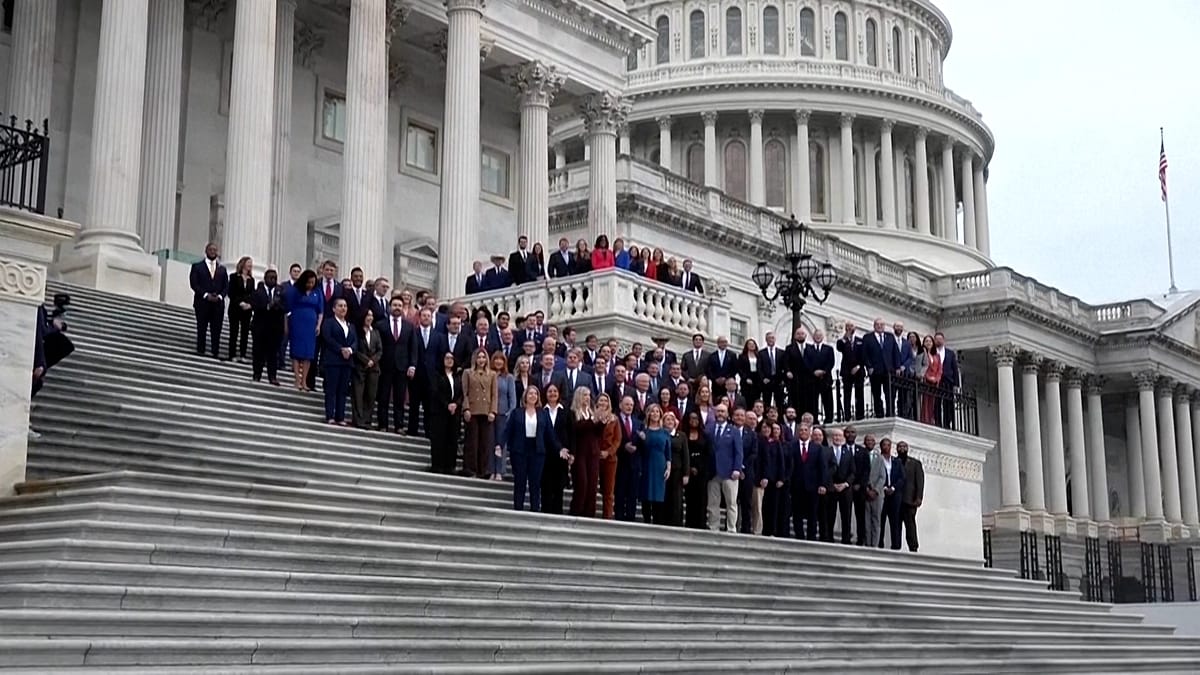
US President Donald Trump acknowledged on Sunday, in an interview on CBS's 60 Minutes, that his deportation policy may have been too tough, and said he was open to a deal with Democrats that would let some undocumented immigrants remain in the country. The remarks came after the Republicans' heavy defeat in the midterm elections for Congress, and they were an unusually frank admission that one of the signature policies of his second administration had become a political liability.
Asked by interviewer Ross Douthat whether the policy had gone too far, Trump replied: "I think it was too tough." He added that many people praise it while others think it is too harsh. He said the policy "both helped and hurt": people gave him high marks for closing the border and removing dangerous offenders, but he was hurt because the crackdown also took people with good jobs whose only offence was entering illegally.
Trump said he believed an agreement with Democrats was achievable. He proposed continuing to target killers, rapists and drug dealers while making an accommodation for people who have been in the US for 10 or 15 years. He said some Democrats had already contacted him.
The comments appeared at odds with his decision on Friday to promote Stephen Miller, the architect of his immigration crackdown, to White House chief of staff. Since Trump's return to office, raids by Immigration and Customs Enforcement (ICE) at workplaces, homes and public spaces have also caught people with no criminal records. Earlier this year, federal agents fatally shot two US citizens, Renee Good and Alex Pretti, during operations in Minneapolis.
War, economy and the future
Trump blamed the war with Iran and higher petrol prices for much of the midterm defeat, and cited growing dislike of Israel. He maintained, however, that he would make the same decision again because Iran cannot be allowed a nuclear weapon, and said he was not looking to escalate the conflict.
On the economy he conceded "bad messaging, maybe by me". On artificial intelligence he said he did not mind guardrails but did not want to put the US in a "deep second position". On the 2028 election, he said he would "probably, not necessarily" endorse a successor. Asked whether he could forgive opponents including former FBI director James Comey and former House speaker Nancy Pelosi, he answered no.