Trump denies munitions shortages, threatens jail for leakers as Iran tensions persist
US President Donald Trump has denied media reports of ammunition shortages, saying the country has 'massive amounts' and threatening leakers with prison. Meanwhile, Iran and Oman finalised an agreement on a shipping route through the Strait of Hormuz.
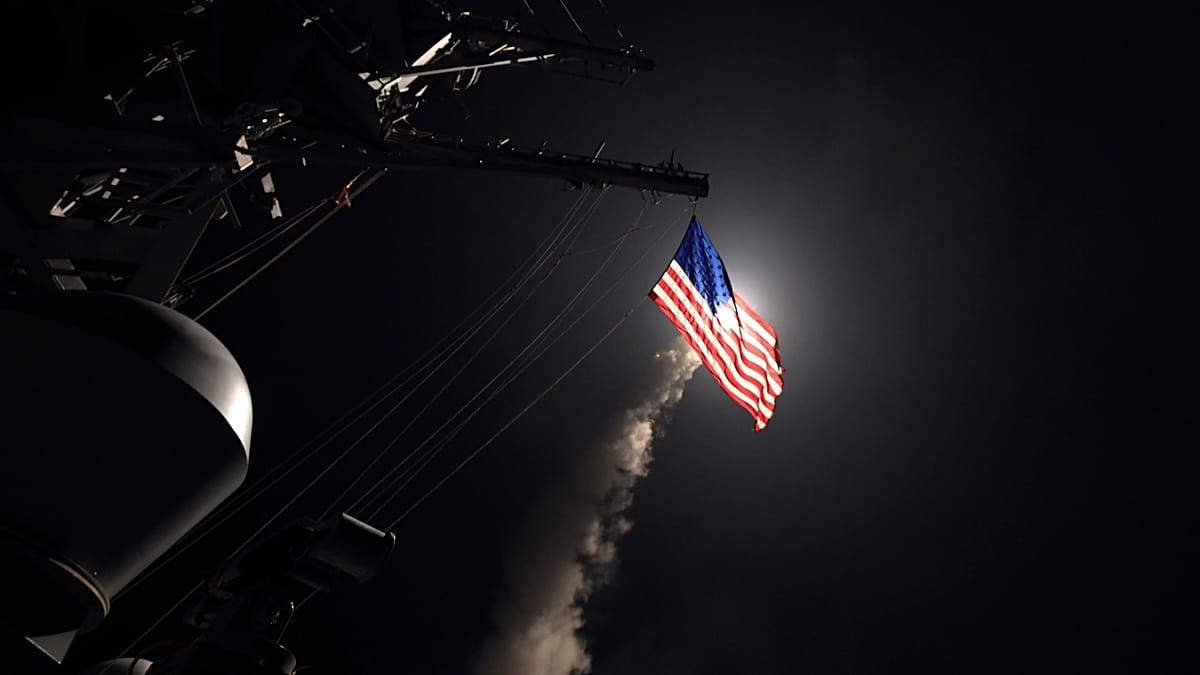
President Donald Trump on Thursday rejected media reports of ammunition shortages in the US military, insisting that the country has "massive amounts" of munitions and threatening prison for those who leak such information. The remarks came amid growing frustration over the war with Iran.
Writing on his Truth Social platform, Trump lashed out at press coverage about dwindling weapons stockpiles. "We have massive amounts of 'munitions' especially of certain types," he said, without elaborating. He added that large quantities were being manufactured and shipped to the US as needed, and that defence companies were building the largest number of plants and factories in the nation's history.
The Washington Post had reported that Trump demanded answers from Pentagon chief Pete Hegseth about ammunition shortages last Friday during a cabinet meeting at Camp David. According to the newspaper, Trump told Hegseth he thought the issue "had been fixed." CNN also reported that shortages of long-range guided missiles and air-defence interceptors had affected Trump's strategy in the conflict with Iran, with the US military having "nearly exhausted 80%" of its THAAD interceptor stockpile. The Post added that shortages led Trump to call off fresh strikes against Iran, despite his threat to hit the Islamic republic "very hard."
White House press secretary Karoline Leavitt dismissed the reports as "FAKE NEWS!", saying she was at Camp David with Trump and Hegseth and that "this literally never happened." Pentagon spokesman Sean Parnell called the accounts of a clash and of weapons shortfalls "equally fictional."
Trump's comments came a day after Iran and Oman finalised an agreement on the geographical coordinates of a proposed shipping route through the Strait of Hormuz. Iran's foreign ministry spokesman Esmaeil Baghaei said the two countries were preparing a joint statement covering technical, legal, security and environmental aspects. Iranian media quoted official sources as saying that reopening the strait would depend on the US ending its naval blockade of Iran's ports. Meanwhile, Iran's foreign ministry denied any negotiations with Washington, even though Trump claimed Tehran was keen for a deal.
